Science & TechnologyLOT 261122 · 4 min read
6.4 Million Outage Reports in a Week: US Says No Attack, but Patch Freney Suspected
Downdetector logged 6.4 million US outage reports in a week as Microsoft, FAA, JPMorgan, Apple and the NSA blamed their own updates; Congress probes AI-accelerated patching.
Key takeaways
- Downdetector logged 6.4 million US outage reports in the seven days to Nov. 17, about four times a typical week.
- Microsoft's Nov. 12 outage drew about 3.9 million US reports, its largest since the October 2025 AWS outage.
- Microsoft patched more than 1,200 vulnerabilities in November, nearly 20 times the year-earlier count per Qualys.
- The European Commission confirmed an 'AI-generated cyber campaign' on Nov. 19.
- The FBI said Artex intrusions can reach privileged access in under three hours.
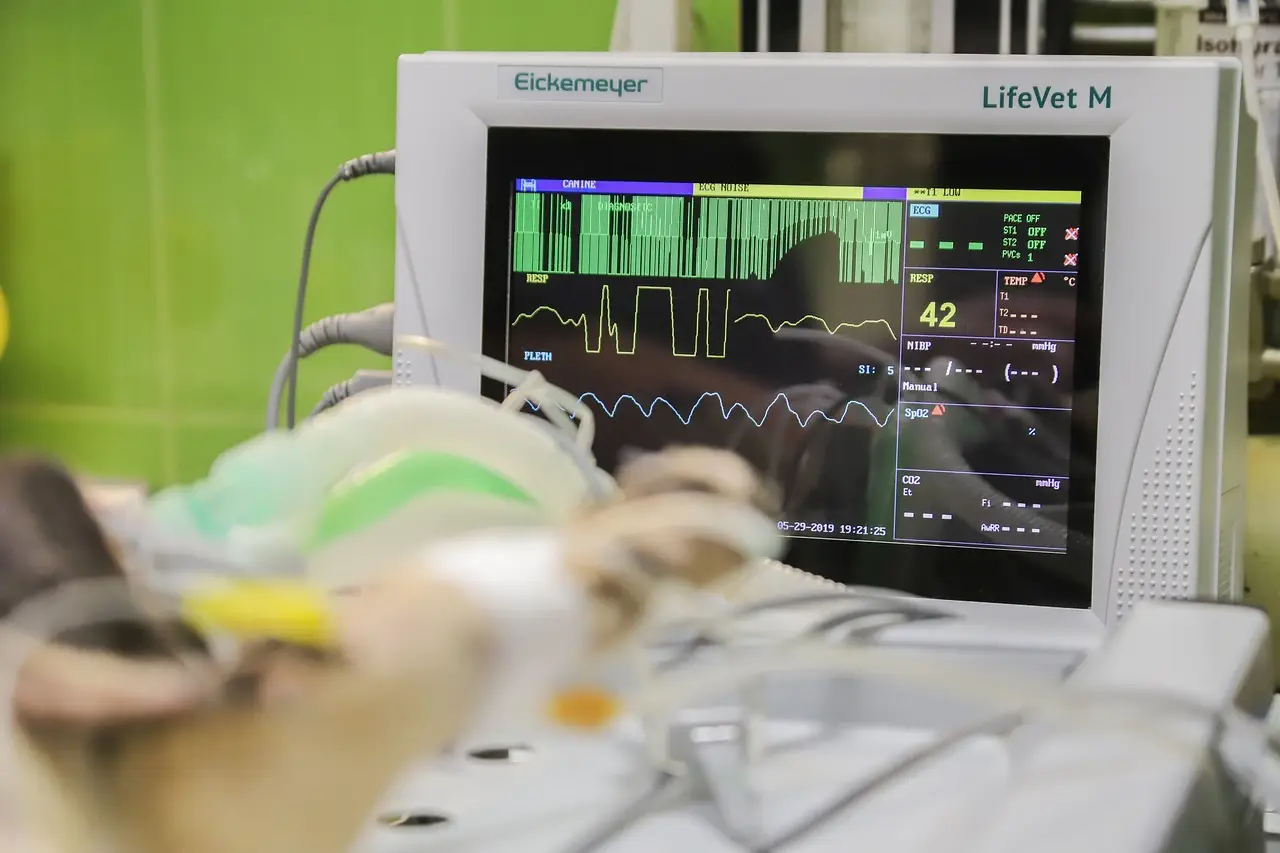
Downdetector logged 6.4 million US outage reports in the seven days to Nov. 17 — roughly four times a normal week — as Microsoft, the FAA, JPMorgan Chase, Apple and the NSA each blamed their own updates, patches or hardware for failures since Nov. 12. Director of National Intelligence Jay Clayton told the House Homeland Security Committee on Nov. 18 that "what we have seen over the last 10 days is not an orchestrated attack by a foreign malign actor." FBI Deputy Director Christopher Raia told the same hearing there was "no indication whatsoever that there is any cyber malicious activity related to any of those incidents."
The Microsoft 365 outage alone drew about 3.9 million US reports on Nov. 12-13, Downdetector's largest count since the October 2025 Amazon Web Services outage. On Apple's Nov. 17 outage day, 67 US services were flagged against a usual 16.
What went wrong, by organization?
- Nov. 12-14, Microsoft: Outlook, Teams and Copilot failed because of a faulty July gateway fix.
- Nov. 13, FAA: A router installation in southern Arkansas overloaded the system and grounded every departing US flight; investigators reproduced the overload in a Florida lab but have not said why two routers failed.
- Nov. 16, JPMorgan Chase: A software bug.
- Nov. 17, NSA Net: Patching a PHP flaw, per the DNI — "exactly that type of routine upgrade," Clayton said.
- Nov. 17, Apple: An internal update; the company said it was not a cyberattack.
Mark Giles, director of Ookla Research, Downdetector's parent, sees no connection: "I think this looks like a bit of a coincidence. There's nothing really linking the outages."
Is AI-driven patching breaking systems?
A Washington Sun report on Nov. 17, citing three anonymous sources, said Wall Street executives and the NSA told Congress members the outages stemmed from fixes for AI-identified vulnerabilities; one congressional official described "a lot of patches all at once." A senior administration official said there is "a great deal of confidence" the incidents came from disparate events, while calling the AI share "challenging to answer."
The patch volume is confirmed. Microsoft addressed more than 1,200 vulnerabilities this month, nearly 20 times the year-earlier figure, according to Qualys. VulnCheck's Josh Bressers said 100,000 vulnerabilities have been publicly disclosed in 2026, with 1,363 known to have been exploited. Citigroup CEO Jane Fraser said patch volume is "five-, 10-fold what we've ever seen before." Yuval Itzchakov, CTO of A Security, told Reuters emergency patches now "go into core infrastructure within hours, often without the full testing cycle."
Lawmakers in both parties accepted the explanation without comfort. Sen. Mark Warner, top Democrat on the Senate Intelligence Committee, said the patch race is "putting tremendous strain on systems that weren't built to handle that pace of change." Rep. Jim Himes said faster patching may cause outages but is necessary. No company has publicly attributed its own outage to patching an AI-found bug.
What real attacks were confirmed?
Separate, genuine intrusions ran alongside the outages. The European Commission confirmed on Nov. 19 an "AI-generated cyber campaign" first detected Oct. 22, which disrupted payroll, leave, medical reimbursement and translation systems for more than 10 days; Politico reported CERT-EU identified the open-source ARTEX hacking platform, unconfirmed by the Commission. The FBI warned Artex intrusions can reach privileged access in under three hours, and Barracuda said an attacker using it moved through 10% of its cloud accounts in 44 hours.
N-able said on Nov. 18 that an intruder reached one server behind its Mail Assure and SpamExperts email-security outage, and later said credentials may have been accessed; it rotated credentials, revoked API and OAuth tokens and reset passwords. JPMorgan, Visa and Mastercard said Nov. 19 that breached outside providers held marketing or program data, with no card numbers involved. In Ireland, more than 40 credit unions using Belfast-based Wellington IT filed breach notifications after mobile apps exposed members' payee details; Wellington closed the hole Oct. 6 but informed credit unions only on Nov. 16 — a delay Minister of State Robert Troy called "simply not acceptable."
How did Washington respond?
Sean Cairncross is out as national cyber director, with Pentagon CIO Kirsten Davies acting in the role; sources split on whether he was fired or resigned. Sens. Maria Cantwell and Mike Rounds asked the DNI's AI task force to "launch a national effort to confront a new generation of AI-enabled cyber threats." The OCC plans a deeper review of bank reporting after the Chase outage, which OCC head Jonathan Gould called "an isolated incident."
Two questions remain open: why the FAA's routers failed, and whether any company will confirm an AI-found bug patch as the cause of its own outage.
mlq.ai (Source)
More from Grace Kim
Show full bio
Market editor covering people, launches and day-to-day practice in Semiconductors, chip manufacturing, hardware, AI compute at Chip Dispatch.
1,213 articles