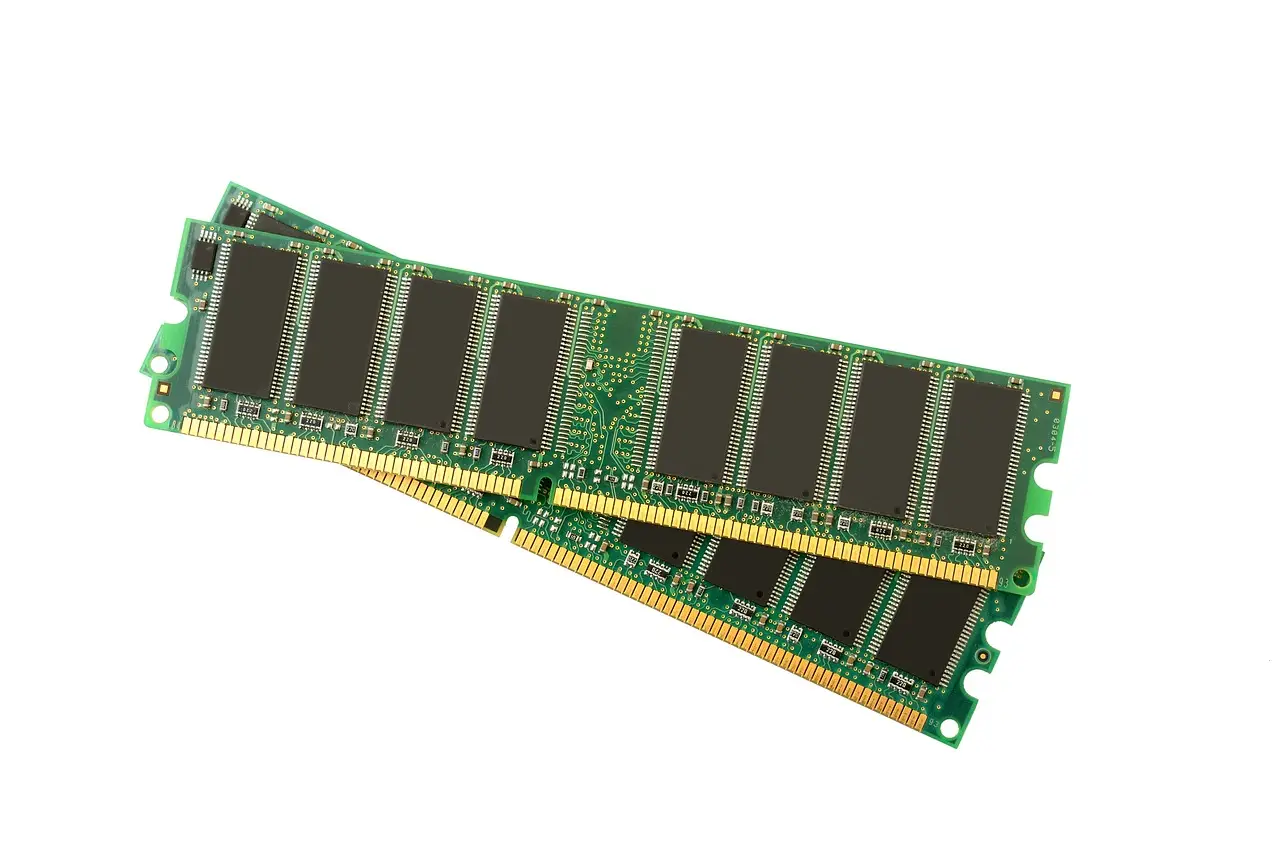
64GB PC Share Falls 18% as Memory Prices Bite, CPU-Z Data Shows
64GB PCs fell to 7.3% of CPU-Z validations, down 18% year over year, as AI-driven DRAM prices push buyers toward 16GB, DDR4 and budget Ryzen platforms.
- By
- Sophie Lindqvist
- Filed
- Channel
- Memory & Storage
- Read
- 3 min read
By Sophie Lindqvist
PCs with 64GB of RAM accounted for 7.3% of systems submitted to CPU-Z's validation database over the last three months, down 18% from a year earlier, according to statistics published by CPUID, the maker of the hardware-identification tool. The figure is relative. In absolute terms, 64GB's share fell roughly 1.6 percentage points, from about 8.9%.
The retreat was not limited to one configuration. Every tier above 32GB lost ground in the CPUID dataset.
- 128GB systems dropped 28.7% to 0.6% of validations
- 96GB systems fell 26.5%
- 48GB systems fell 22.5%
- 32GB, still the most common size, slipped 2.5% to 37.2%
- 16GB rose 12.9% to 33.0%
- 8GB rose 5.5% to 11.0%
The pattern is hard to misread. Buyers are moving down the memory ladder, not up it.
What is driving the shift?
Tom's Hardware, which first highlighted the figures, tied the change to soaring memory prices driven by AI demand for DRAM. That thesis has support elsewhere in the supply chain. TrendForce said on October 30 that fourth-quarter PC DRAM contract prices are still rising, though more slowly than in the third quarter, as buyers push back against further increases.
The margin data is more striking still. AI servers are absorbing so much DRAM supply that memory makers are reporting operating margins near 80%, as MLQ reported this week. When a commodity supplier earns software-like margins, downstream buyers change their specifications. The CPU-Z numbers look like the first consumer-side evidence of exactly that.
Why is DDR4 gaining ground?
Older memory is taking share as well. DDR4 accounted for 54.5% of CPU-Z validations, up 6.0% from a year earlier, while DDR5 slipped 2.9% to 32.9%.
The platform data follows the same line. AMD's AM4 socket, home to older DDR4-only Ryzen chips, rose 17.5% to 23.5% of submissions. Budget chips such as the Ryzen 5 5500 gained share. A dead-end platform gaining traction in 2024-2025 is unusual, and the plausible explanation is economic: builders are choosing cheap DDR4 over expensive DDR5.
How reliable is the data?
Caveats apply, and CPUID does not supply them. CPU-Z counts only systems that users choose to validate, so the dataset measures the mix of machines being submitted rather than actual sales or the RAM installed in the existing PC base. CPUID does not explain how it calculates the year-over-year change either.
There is a further complication. CPUID moved to a new version of its validator in August, which may have changed which users submit results. A change in the submitter population could shift the mix for reasons that have nothing to do with memory prices.
So treat the direction as suggestive, not definitive. That said, the direction matches independent signals from TrendForce on contract pricing and from memory makers' own margin disclosures. Three imperfect datasets pointing the same way are more convincing than one.
What comes next?
If AI server demand keeps absorbing DRAM supply, the pressure on PC memory pricing persists, and TrendForce already reports buyers pushing back on fourth-quarter contract terms. Expect PC makers to trim standard RAM configurations further, and expect the DDR4 tail to lengthen before it shortens again.
Source: mlq.ai
More from Sophie Lindqvist
Show full bio
News editor covering money, funding and market shifts around Semiconductors, chip manufacturing, hardware, AI compute at Chip Dispatch.
768 articles
Related articles
64gb-ram-pcs-fall-18-as-dram-prices-push-buyers-downmarket
64GB RAM PCs Fall 18% as DRAM Prices Push Buyers Downmarket
steam-survey-shows-32gb-ram-share-falls-5-16-as-memory-prices-bite
Steam Survey Shows 32GB RAM Share Falls 5.16% as Memory Prices Bite
csis-warns-ai-and-hbm-demand-is-reshaping-the-memory-cycle-7aa78bff
CSIS Warns AI and HBM Demand Is Reshaping the Memory Cycle
samsung-reports-ninefold-profit-jump-in-q3-on-ai-chip-demand-ac38675b
Samsung Reports Ninefold Profit Jump in Q3 on AI Chip Demand