AI CapEx Meets Texas Politics as Chip Stocks Fall, Cloud Stocks Rise.
Microsoft and Amazon rose as the semiconductor index fell 3.1%. With cloud growth strong and Texas governor-elect Gina Hinojosa calling for a data-center moratorium, Wall Street is betting on a contradiction.
- By
- Nathan Brooks
- Filed
- Channel
- AI & Compute
- Read
- 3 min read
By Nathan Brooks
Microsoft shares rose 6.7% on Wednesday, while the PHLX Semiconductor Index fell 3.1%, exposing the split between AI customers and the companies supplying their chips. Nvidia dropped 3.2% and Micron Technology lost 7.0%. Amazon gained 6.1%, and Apple rose 5.3%. Wall Street rewarded one side of the AI supply chain and punished the other.
What does the Texas result change?
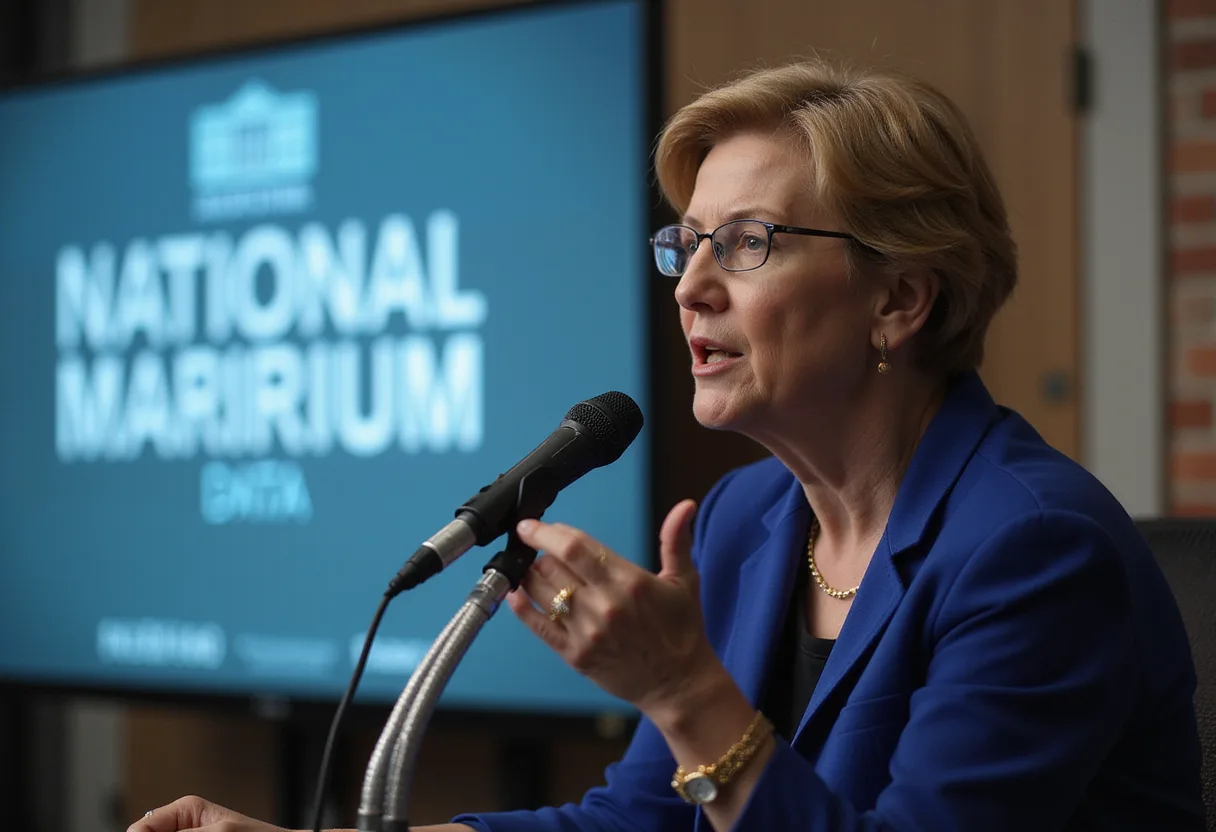
Democrats swept the midterm elections, taking control of both chambers of Congress and major victories in traditionally Republican states. They also flipped Texas governor's race, making governor-elect Gina Hinojosa's data-center agenda relevant to national AI spending plans. She campaigned on a moratorium on new data-center approvals until lawmakers establish stronger protections for electricity, water and local communities.
Texas is a critical AI infrastructure hub, accounting for an estimated 41% of new U.S. data-center capacity planned for 2028, according to SemiAnalysis. The estimate places potential permitting delays, tighter regulation and local opposition in the path of future semiconductor orders. It covers planned capacity, not confirmed construction, and the election creates risk rather than a recorded cancellation.
Why are cloud companies rewarded?
The market treats slower infrastructure expansion as good news for Microsoft, Amazon and Alphabet because new deployments consume cash. Existing data centers could gain scarcity value, while lower expansion could improve free cash flow.
Apple, which has relatively little AI infrastructure spending, could also benefit if slower data-center expansion eventually eases memory costs. Semiconductor suppliers and data-center operators face the opposite exposure: delayed projects could weaken future orders.
That is a coherent market trade, not yet a change in corporate spending plans. It also requires the market to look past the commitments executives made only days earlier.
What do the earnings calls show?
Days before the stock moves, cloud executives had reaffirmed their commitment to AI infrastructure investment.
- Microsoft: Azure revenue grew 48%, and customer demand still exceeded available supply. Management expects quarterly CapEx above $50 billion in Q2 FY2027 and spending to accelerate in the second half of that fiscal year.
- Alphabet: Google Cloud revenue grew 103%. The company maintained $195 billion to $205 billion of 2026 CapEx guidance and expects spending to increase significantly in 2027.
- Amazon: AWS revenue grew 39.3%, and its backlog stood at $578 billion. Management kept its $220 billion 2026 cash CapEx outlook, expects to spend meaningfully more in 2027, and sees AWS growing above 40% in both 2027 and 2028.
These are company-reported revenue figures and backlog data; the spending totals and growth rates are management guidance, not booked revenue or analyst estimates. They describe current cloud demand and planned spending rather than a retreat from AI infrastructure. Azure demand exceeds supply, which weakens the claim that AI infrastructure demand has already turned.
Can Big Tech spend less and still grow?
Cloud growth is a major driver of these companies' future earnings, and expanding computing capacity is essential to sustaining it. The market's contradiction is plain: Wall Street is rewarding hyperscalers for potentially spending less while punishing chipmakers for the same outcome.
Existing cloud capacity could become more valuable, and slower investment could support near-term cash flow. A significant construction slowdown, however, would make it harder to sustain the cloud growth now being promised.
Proposed Texas restrictions are not the same as actual CapEx cuts or canceled GPU orders. The latest earnings calls still point to strong demand and continued investment. Wall Street is pricing a potential slowdown that Big Tech executives have not endorsed.
What would confirm the chip selloff?
The decisive test is whether Microsoft, Alphabet and Amazon actually cut CapEx guidance, cancel chip orders or delay deployments. A delay in permits is a risk signal; a reduction in spending plans would confirm the slowdown thesis.
If AI demand remains strong and projects merely slip, Wednesday's semiconductor selloff could prove excessive. Sustained CapEx cuts would pose a genuine threat to chipmaker earnings expectations.
The next earnings cycle should provide the cleaner answer: sustained cuts would confirm a commercial slowdown, while intact orders and delayed projects would leave Wednesday's punishment looking premature.
Source: Google News: AI chips
More from Nathan Brooks
Show full bio
Senior reporter covering people, launches and day-to-day practice in Semiconductors, chip manufacturing, hardware, AI compute at Chip Dispatch.
713 articles
Related articles
data-center-backlash-splits-fortunes-for-korean-chips-and-autos
Data-center backlash splits fortunes for Korean chips and autos
warren-demands-national-moratorium-on-ai-data-centers-616263fc
Warren Demands National Moratorium on AI Data Centers
voters-approve-38-of-44-ballot-measures-restricting-data-centers
Voters Approve 38 of 44 Ballot Measures Restricting Data Centers
tsmc-weighs-further-texas-expansion-as-ai-demand-outruns-supply-dad4b6af
TSMC Weighs Further Texas Expansion as AI Demand Outruns Supply