Semiconductors · 5 min read
AI chip stocks rebound as QQQ gains 1.97% after bruising month
AI and semiconductor stocks rebounded in premarket trading on Nov. 27, 2026, with QQQ up 1.97%, but rate, tariff and regulatory risks still cloud the rally.
Key takeaways
- QQQ was indicated up 12.51 points, or 1.97%, on Nov. 27, 2026; SPY was up 10.76 points, or 1.50% in premarket trading.
- Nvidia and 17 other chip, memory and equipment stocks appeared on the gap-up list.
- Sandisk rose with Kioxia after Nvidia's SSD memory-expansion test; Seagate and Western Digital also advanced.
- Q3 GDP was revised to 4.3% and October PCE inflation to 3.8%, leaving a December Fed hike almost fully priced.
- IQMX extended Wednesday's rally after a 54-qubit system order from South Korea's QAI.
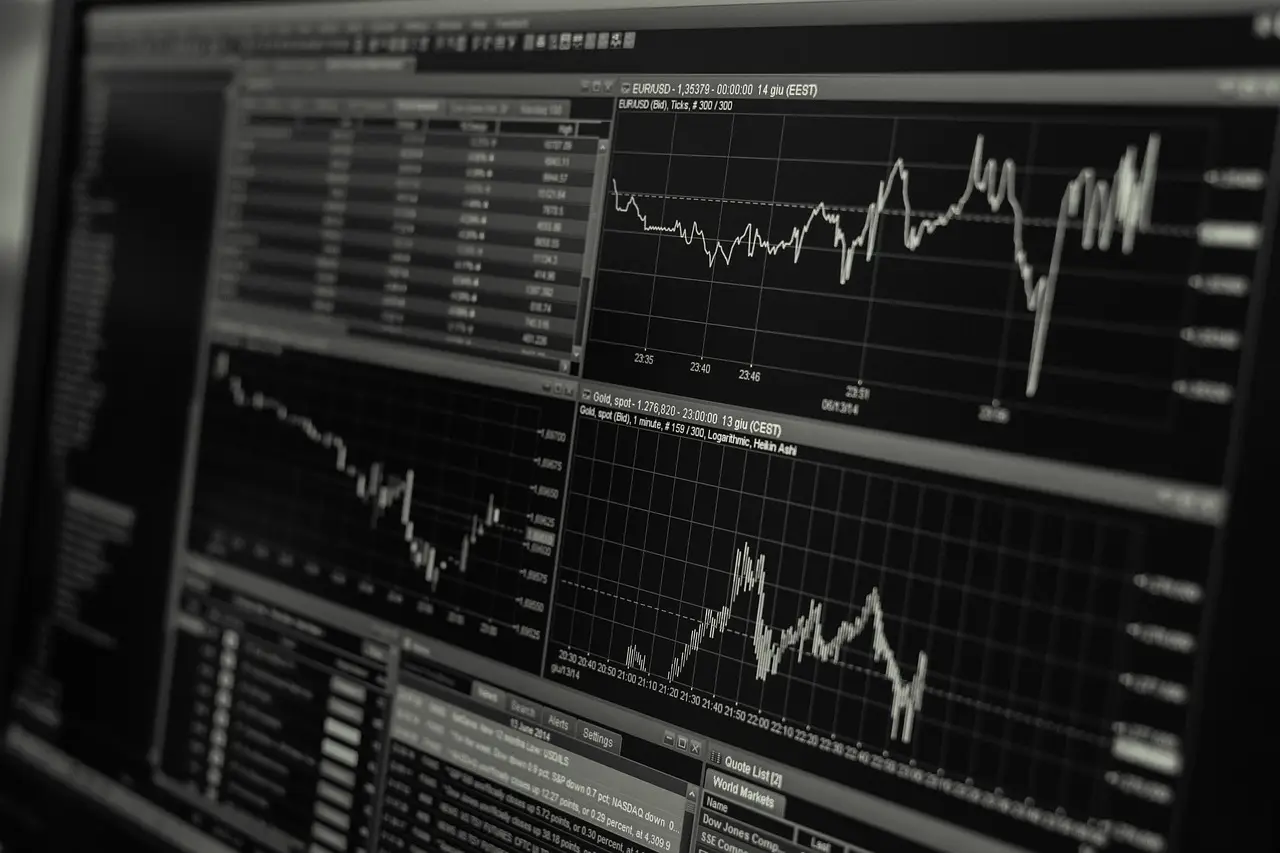
QQQ, the Invesco QQQ Trust Series I, was indicated up 12.51 points, or 1.97%, in U.S. premarket trading on Nov. 27, 2026; SPY was indicated up 10.76 points, or 1.50%.
The figures were premarket indications, not confirmed closes. Nvidia and 17 other semiconductor, memory and chip-equipment names joined the gap-up list. Reuters described investors returning to battered AI stocks after Thanksgiving.
The S&P 500 and Nasdaq headed for their best week since August, yet remained on track for their worst November since 2008, according to Reuters.
What drove the chip rebound?
The report listed 18 AI and chip equities as gap-ups:
- AI and chip stocks (18): Nvidia (NVDA), AMD, Broadcom (AVGO), TSMC (TSM), Micron (MU), SK Hynix (SKHY), ASML, Lam Research (LRCX), Applied Materials (AMAT), KLA (KLAC), Arm (ARM), Marvell Technology (MRVL), Intel (INTC), Credo Technology (CRDO), Astera Labs (ALAB), Qualcomm (QCOM), Analog Devices (ADI) and Texas Instruments (TXN).
Sandisk rose with Kioxia after Nvidia's SSD memory-expansion test; Seagate and Western Digital also advanced. The report gave no order quantity, qualification status or capacity impact. It showed investor interest, not a confirmed change in memory demand, production or pricing.
Nvidia's role is notable, but the report described a test rather than a production award, leaving any commercial effect on NAND suppliers and memory pricing unquantified.
How broad was the session?
The rebound extended beyond semiconductors, although the note supplied index and commodity moves rather than individual closing returns.
- Hyperscalers and AI software (9): Alphabet (GOOGL), Amazon (AMZN), Microsoft (MSFT), Meta Platforms (META), Oracle (ORCL), Palantir (PLTR), Anthropic (ANT), AppLovin (APP) and Shopify (SHOP).
- Neoclouds, servers and AI power (9): CoreWeave (CRWV), Nebius (NBIS), Dell (DELL), Arista Networks (ANET), Hewlett Packard Enterprise (HPE), Celestica (CLS), Bloom Energy (BE), Vertiv Holdings (VRT) and GE Vernova (GEV).
- Optical (4): Lumentum (LITE), Coherent (COHR), Corning (GLW) and Tower Semiconductor (TSEM).
- Tesla (TSLA) and SpaceX (SPCX) rose with megacap technology.
- Brazilian equities (11): XP, Banco Bradesco (BBD), Itaú Unibanco (ITUB), Nu Holdings (NU), Inter&Co (INTR), StoneCo (STNE), PagSeguro Digital (PAGS), Petrobras (PBR), Ambev (ABEV), Companhia Siderúrgica Nacional (SID) and Ultrapar (UGP) jumped after Lula appointed Bradesco chairman Luiz Carlos Trabuco as finance minister.
- China ADRs: Alibaba (BABA), PDD Holdings (PDD) and VNET rose after Chinese stocks posted their biggest gain in over two years and Beijing vowed stronger market support; the CSI 300 gained 4.2%, Reuters said.
- Gold and silver miners (7): Newmont (NEM), Barrick Gold (B), Wheaton Precious Metals (WPM), Gold Fields (GFI), Coeur Mining (CDE), Pan American Silver (PAAS) and Equinox Gold (EQX) rallied as gold gained 3.7% and silver 9.1%.
- Copper and diversified miners (5): Freeport-McMoRan (FCX), Southern Copper (SCCO), BHP, Rio Tinto (RIO) and Vale (VALE) advanced as copper jumped 4.4%.
- Crypto-related shares (2): Strategy (MSTR) and Robinhood (HOOD) rose as bitcoin gained 1.9% to about $61,600.
- Oil majors (4): Exxon Mobil (XOM), Chevron (CVX), Shell (SHEL) and BP (BP) advanced as WTI rose 2% to about $85.
- European banks (2): Santander (SAN) and HSBC (HSBC) gained.
- Vera Therapeutics (VERA) jumped after the FDA delayed its decision on rival Vertex Pharmaceuticals' kidney-disease drug.
- IQMX extended Wednesday's rally after a 54-qubit system order from South Korea's QAI.
What can still break the rally?
The note mixed the rebound with several unresolved risks:
- Economic calendar: U.S. advance goods trade balance, advance wholesale inventories and advance retail inventories were due at 08:30, followed by an early market close at 13:00 on the day after Thanksgiving.
- Rates and growth: Traders almost fully priced a December Fed rate hike after Q3 GDP was revised up to 4.3% and October PCE inflation accelerated to 3.8%, Reuters said.
- Trade policy: Investors were assessing new Trump administration tariffs on imports from 14 trading partners, announced Wednesday, Reuters said.
- Data dispute: Fox Business reported that Trump demanded a probe into "fake" pre-election GDP data after the Q3 upward revision.
- Fund flows: U.S. equity funds posted their biggest weekly outflows in 11 weeks as the technology rout weighed; Michael Burry exited his Nasdaq-100 short.
- Market indicators: The 10-year yield stood at 4.94%, WTI at about $85.30, the VIX at 24 and Nikkei futures at plus 2.1%.
- Vertex Pharmaceuticals (VRTX): The FDA extended review of povetacicept by up to three months, delaying its decision to February 2027.
- Tobacco: Altria (MO) fell after confirming it was considering an all-cash offer for Imperial Brands and discussing a separate potential deal for part of the business with another party; British American Tobacco (BTI) also fell.
- Cybersecurity: Palo Alto Networks (PANW) extended losses after a former executive alleged accounting fraud in a lawsuit.
JPMorgan said: "The AI stock crash is mostly over" but warned that a worse phase could come in 2027. That view sits uneasily with the tariff, rate and fund-flow risks in the same report.
The note did not publish closing prices, earnings, order values or guidance. It documents positioning, not a fundamental reset.
What should investors watch next?
The storage catalyst gives semiconductor investors one measurable follow-up: whether Nvidia's SSD memory-expansion test leads to reported orders, supplier commitments or pricing changes. The source offers none of those confirmations.
Its evidence supports a sentiment rebound, not a confirmed shift in memory capacity, revenue or competitive share. For the semiconductor chain, the next test is whether the trial produces supplier orders or firmer pricing; until then, a durable capacity or revenue change remains unproven.
tradingview.com (Source)
More from Sophie Lindqvist
Show full bio
News editor covering money, funding and market shifts around Semiconductors, chip manufacturing, hardware, AI compute at Chip Dispatch.
1,355 articles