AI & ComputeLOT 261120 · 3 min read
Alibaba Trains Next Qwen Model on Its Own T-Head Chips
Alibaba says its next flagship Qwen model is being trained on its own T-Head chips, with domestic silicon set to dominate supply after 2027 as new US export rules loom over its cloud business.
Key takeaways
- Alibaba reported revenue of 271.5 billion yuan ($40.7 billion) for the quarter ended Sept. 30, up 10% year over year.
- CEO Eddie Wu said that after 2027 most new AI chip supply will consist of Alibaba's domestic T-Head chips.
- The Zhenwu V900 chip from T-Head targets mass production in the first quarter of 2027.
- Alibaba's AI cloud business grew 53% in the quarter.
- New US rules require licenses for data centers renting large AI compute to China-headquartered firms, with a 90-day transition period for existing operators.
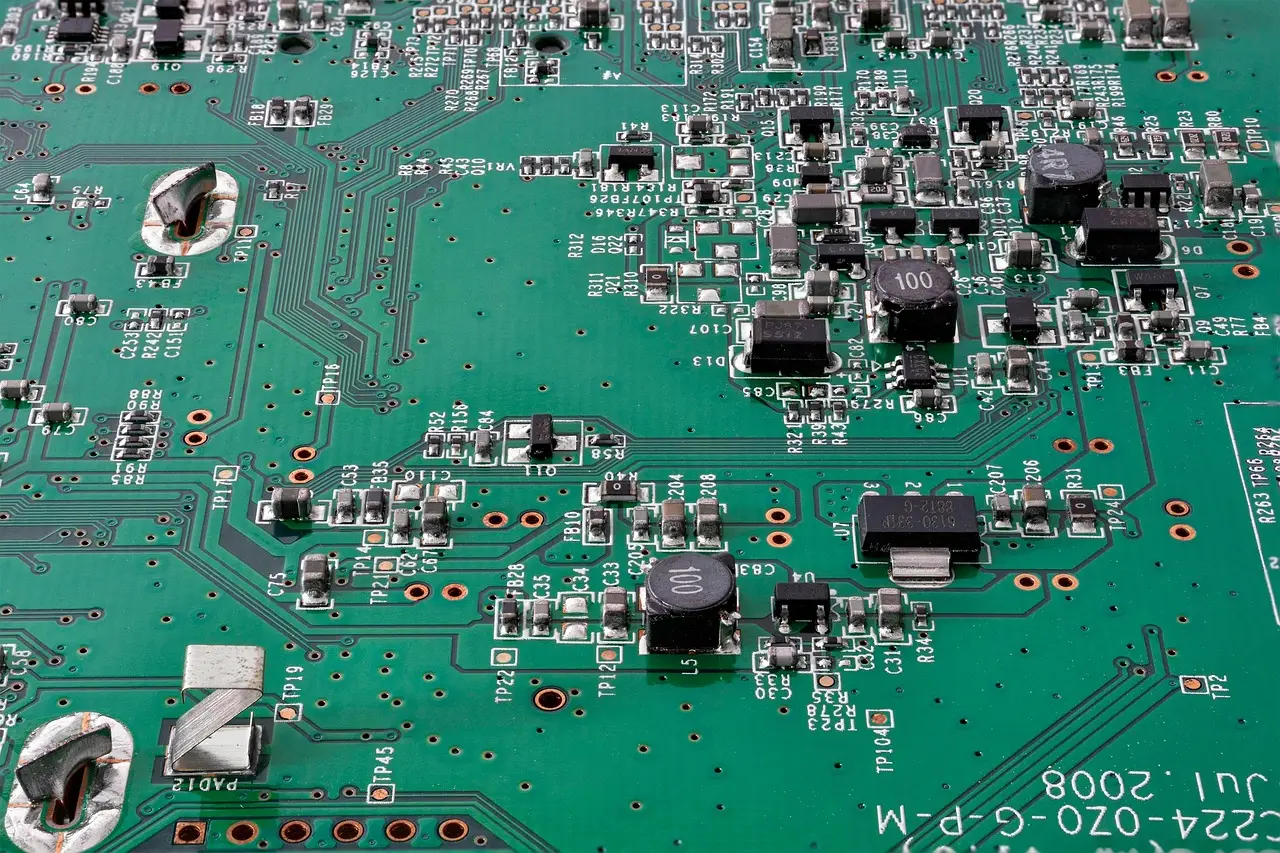
Alibaba is training its next-generation flagship Qwen model on chips it designs itself, Nikkei Asia and AFP reported on Thursday. The disclosure signals that China's largest cloud provider has begun shifting its most compute-intensive AI workloads onto in-house silicon as tightened US export rules cut Chinese firms off from Nvidia hardware rented overseas.
CEO Eddie Wu told analysts that after 2027, "the vast majority of our new AI chip supply should consist primarily of our own domestic T-Head chips." He added: "We will also buy other domestic chips to support our internal inference demand." The statements came on Alibaba's earnings call, according to AFP.
What did Wu say about the US rules?
Wu did not soft-pedal the risk. He said the new US restrictions will affect Alibaba's products and services in 2027 and described them as creating "very big uncertainty" for the global supply chain, AFP reported. The Information also reported that Wu warned of the rule's impact on the call.
Note the timing embedded in his comments. The supply transition he describes starts after 2027 — the same year the US rules begin to bite Alibaba's products and services. That overlap is not incidental. Alibaba's domestic chip plan is a response with a deadline, not a preference.
What does the Commerce Department rule change?
The rule requires a license for data centers that rent large amounts of AI compute to China-headquartered companies. The requirement reaches beyond US borders. It covers facilities in Singapore, Malaysia and Indonesia, where Chinese labs had been renting Nvidia capacity. Existing operators have a 90-day transition period.
The effects are already visible upstream. TSMC and Samsung have curbed some shipments to Chinese customers while they seek licenses. Alibaba, in other words, faces pressure on two fronts: rented overseas compute and contracted foundry supply.
What do the numbers show?
Alibaba reported revenue of 271.5 billion yuan ($40.7 billion) for the quarter ended September 30, up 10% year over year. Its AI cloud business grew 53% in the same period. That growth rate sets the stakes for the chip transition — the fastest-expanding part of the business is the one most exposed to compute restrictions.
The silicon behind the strategy has a name and a date. In September, Alibaba unveiled its Zhenwu V900 chip from its T-Head unit, with mass production targeted for the first quarter of 2027.
How firm is the chip roadmap?
The Zhenwu V900 timeline deserves scrutiny. Mass production in early 2027 means the chip would reach volume supply almost exactly when Wu expects US rules to start affecting Alibaba's products. Any slip in that schedule narrows the margin between restriction and replacement.
The Qwen training claim is itself a milestone worth flagging. Training a flagship model, not merely running inference, on in-house chips is a harder technical bar. Alibaba did not disclose how many of its own accelerators the training run required, how long it took, or how the resulting model compares with previous Qwen generations trained on Nvidia hardware.
Wu's "vast majority" phrasing also leaves room. Domestic T-Head chips will dominate, but inference demand will draw on other domestic chips — a category he did not specify. What share of supply remains non-domestic after 2027 was not quantified on the call.
The commercial picture now hinges on execution. If Zhenwu V900 hits volume in the first quarter of 2027 and the training results hold up, Alibaba will have insulated its 53%-growth AI cloud business from the worst of the export regime; if either slips, the "very big uncertainty" Wu named becomes a revenue question rather than a supply-chain one.
mlq.ai (Source)
More from Sophie Lindqvist
Show full bio
News editor covering money, funding and market shifts around Semiconductors, chip manufacturing, hardware, AI compute at Chip Dispatch.
1,181 articles