Amazon and Alphabet put custom silicon against grid constraints
Amazon and Alphabet spent $77.26 billion and $51.36 billion on Q3 capex. Their custom-chip models now diverge as AWS retains Trainium savings and Google sells TPUs under grid constraints.
- By
- Grace Kim
- Filed
- Channel
- AI & Compute
- Read
- 3 min read
Amazon spent $77.26 billion on third-quarter capital expenditure, against Alphabet’s $51.36 billion, while both companies put internally designed silicon at the center of cloud growth.
How do the custom-silicon models differ?
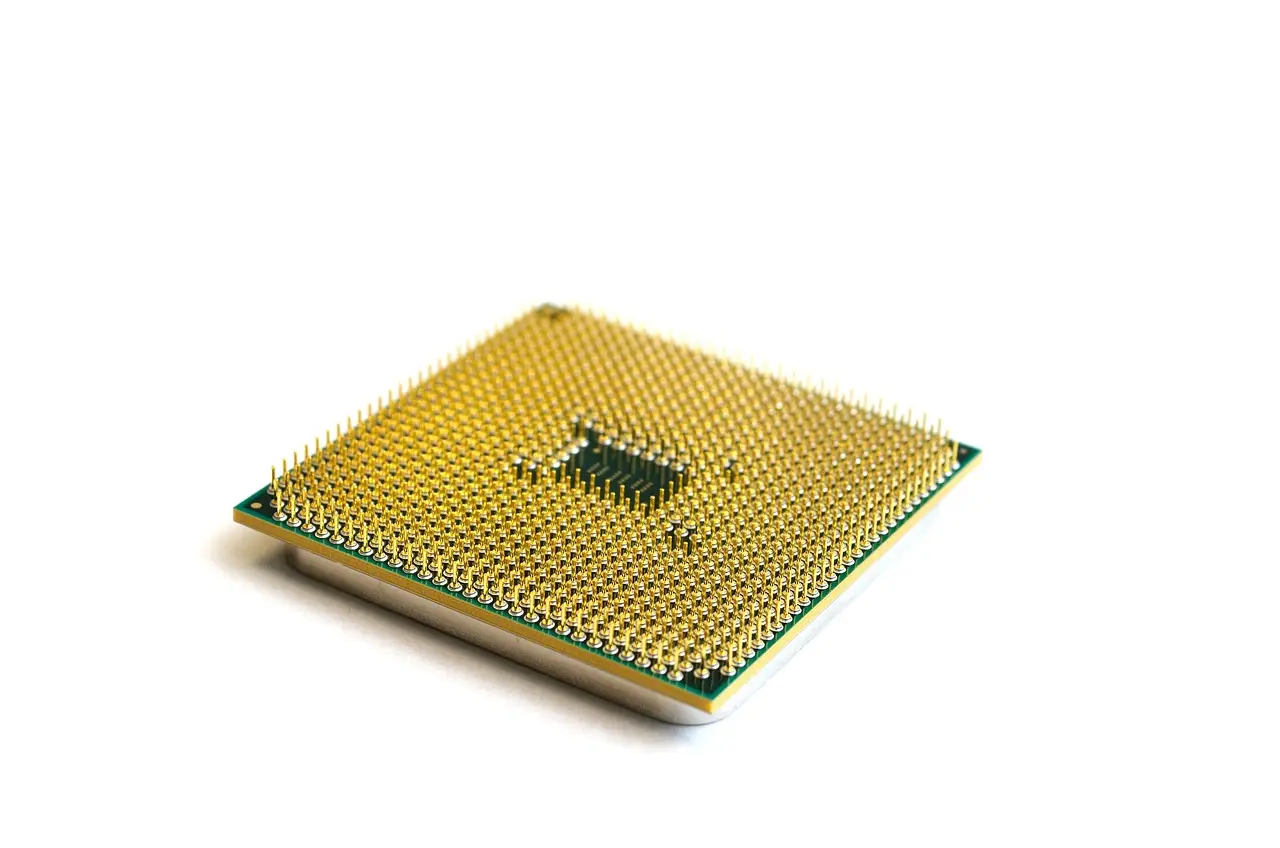
Amazon and Alphabet reported third-quarter results one day apart in late October. Both quarters ran on internally designed chips. AWS used Trainium and Graviton to post its fastest growth in nearly five years. Google Cloud more than doubled, and TPU systems became a product Google sells directly.
- AWS: Revenue reached $45.98 billion, up 39%, with a 38.7% operating margin.
- Google Cloud: Revenue hit $30.71 billion, up 103%, while operating income rose to $11.12 billion from $3.59 billion.
The operating divide starts with product mix: AWS monetizes Trainium and Graviton mostly inside AWS and Bedrock, while Google sells TPU systems as Cloud product revenue. The comparison places Amazon’s external chip sales in late 2027, while Google’s external TPU sales are already underway.
Management linked part of AWS’s 38.7% operating margin to custom-silicon savings. It said customers using Amazon chips saved more than $2 billion in Q3 alone. Trainium revenue commitments rose more than 20x, although the reported increase lacked a stated base period.
Most of Bedrock already runs on Trainium, allowing Amazon to retain those savings as AWS profit. Alphabet CEO Sundar Pichai cited “strong demand for our TPU systems across a wide range of customers.” The increase in Google Cloud operating income coincided with that demand.
How does grid access change the economics?
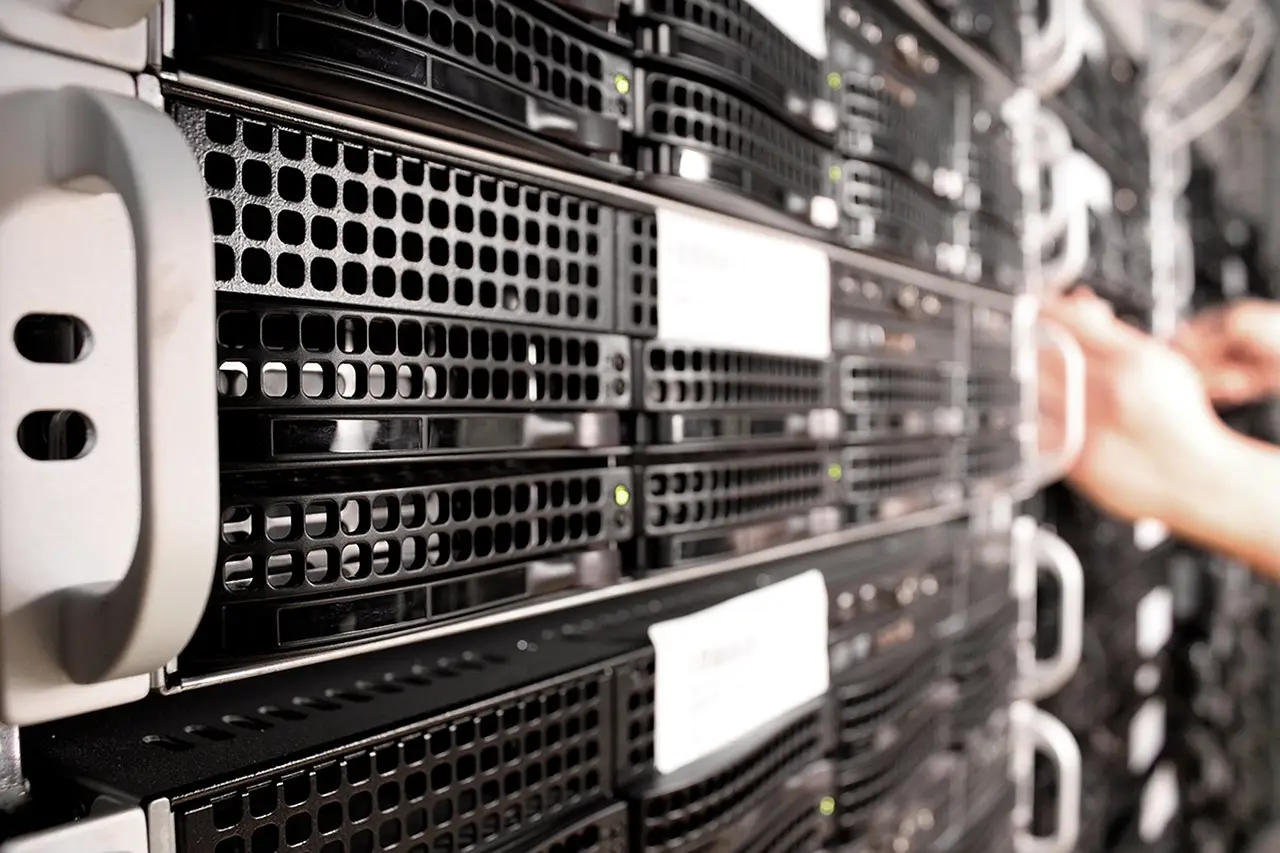
Large AWS customers reserve hundreds of megawatts or up to a gigawatt of capacity in advance. Amazon did not disclose a utility timeline or megawatt allocation. The reservations show that grid access now shapes the pace of capacity additions.
CEO Andy Jassy said neocloud capacity runs about 3,500 basis points worse in operating margin than long-leased data centers. Owning or long-leasing sites can give Amazon more control over power connections. Amazon listed energy prices as a risk and committed $1 billion to U.S. data-center communities.
The pressure reaches Alphabet’s balance sheet, where negative free cash flow and new debt must support data-center expansion while utility load reductions provide relief at peak demand. Free cash flow fell to negative $9.06 billion. Alphabet raised $28.7 billion in notes on top of equity sold through its at-the-market, or ATM, program. Demand-response arrangements let utilities reduce data-center load during peak periods.
Those arrangements offer operating flexibility, but debt and share dilution are paying for the power-hungry buildout. Every added unit must connect to power and cooling.
What must the next results prove?
Amazon’s roughly $220 billion in 2026 capital spending is a forward-looking figure, not a reported Q3 result. Management has promised lower payback periods as spending scales. The focus is whether the program keeps shortening those periods.
For Alphabet, the test is whether TPU sales can cover rising interest costs. GAAP earnings per share came in at $2.12, below the $2.97 estimate. An equity-securities loss accounted for $0.55 of that shortfall.
The next phase will test whether Amazon turns capital scale into lower payback periods and whether Alphabet turns direct TPU revenue into enough cash to absorb rising interest costs.
Why does the analysis favor Amazon?
Amazon shares rose 7.88% over the past week, while Alphabet shares fell 18.75% over the past month. The measurement windows differ, so the moves do not establish a direct comparison.
The analysis favors Amazon because Trainium savings remain inside AWS margins, while owned and leased sites give the company more control over its power connections. Google grows faster, but the analysis says debt and dilution fund its buildout. Amazon’s edge would narrow if Alphabet’s free cash flow turned positive while Google Cloud kept doubling.
The next results will show whether Amazon can convert a roughly $220 billion 2026 buildout into shorter payback periods, and whether Alphabet can convert TPU demand into positive free cash flow while interest costs rise.
Source: 247wallst.com
More from Grace Kim
Show full bio
Market editor covering people, launches and day-to-day practice in Semiconductors, chip manufacturing, hardware, AI compute at Chip Dispatch.
763 articles
Related articles
amazon-s-custom-chip-run-rate-tops-25-billion-as-trainium-goes-standalone
Amazon's Custom Chip Run Rate Tops $25 Billion as Trainium Goes Standalone
google-s-tpu-buildout-threatens-nvidia-s-ceiling-not-its-floor-4d3b0cca
Google's TPU Buildout Threatens Nvidia's Ceiling, Not Its Floor
google-cloud-bets-on-in-house-ai-chips-to-drive-revenue-74a86a68
Google Cloud Bets on In-House AI Chips to Drive 2027 Revenue
amazon-s-custom-ai-chips-raise-a-question-who-keeps-the-savings-54c952e6
Amazon's Custom AI Chips Raise a Question: Who Keeps the Savings?