AI & Compute · 3 min read
Ambarella Guides Q4 Revenue Down to $70-75 Million as Memory Shortages Bite
Ambarella guides Q4 revenue to $70-75 million from $115.2 million in Q3, as CEO Fermi Wang says record memory price rises are forcing customers to cut their own outlooks.
Key takeaways
- Ambarella guided fiscal Q4 revenue to $70.0-75.0 million, down from $115.2 million in Q3 FY27.
- Q3 FY27 revenue of $115.2 million rose 6.2% year over year from $108.5 million.
- GAAP net loss narrowed to $12.7 million from $15.1 million a year earlier; non-GAAP EPS was $0.28.
- Q4 guidance: non-GAAP gross margin of 59.0-60.25% and non-GAAP operating expenses of $57.5-59.5 million.
- CEO Fermi Wang said memory-related challenges do not change the edge AI growth outlook and expects fiscal 2028 to be a growth year.
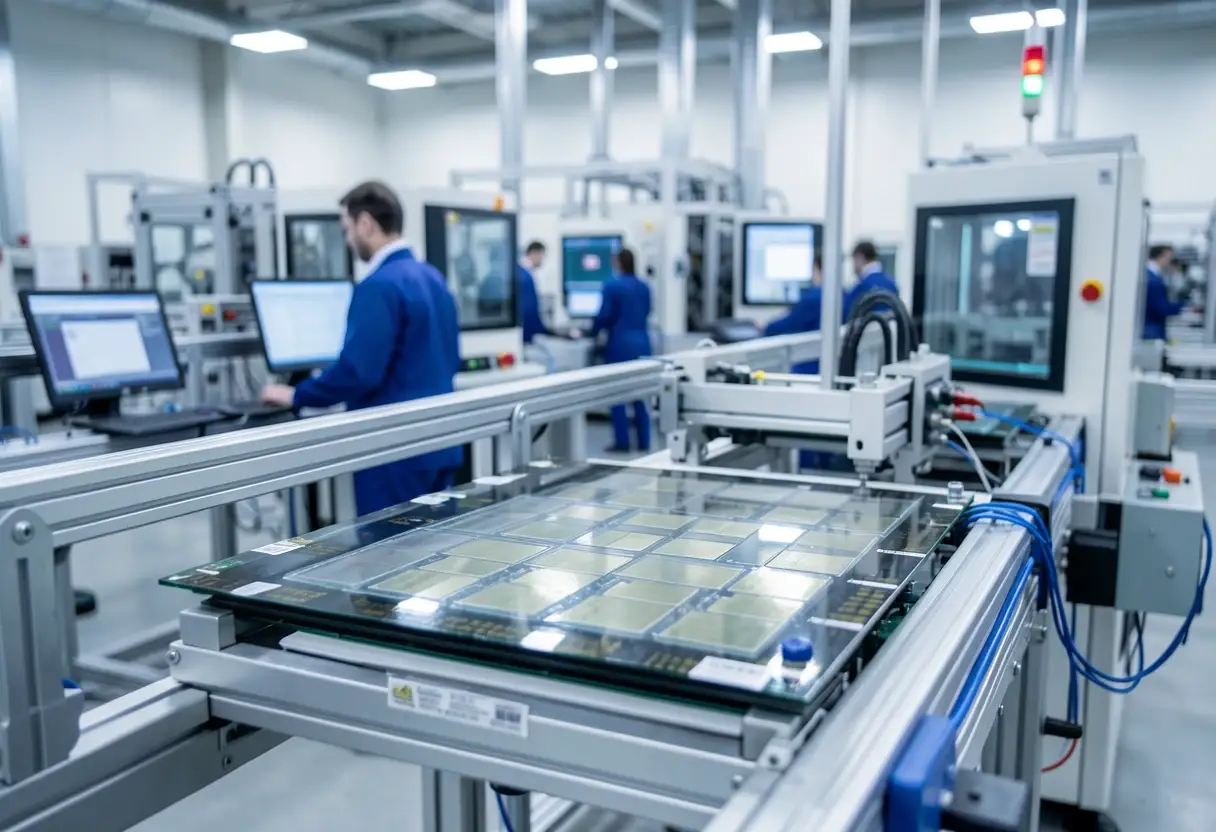
Ambarella guided fourth-quarter revenue to $70.0 million to $75.0 million, a steep drop from the $115.2 million it just reported for the third quarter of fiscal 2027, as memory shortages squeeze its customers.
The edge AI chip designer issued the guidance after the market close on Tuesday, Nov. 24. Third-quarter revenue rose 6.2% from $108.5 million a year earlier, but landed at the low end of the company's own expectations.
President and CEO Fermi Wang laid out the cause in one sentence: "The unprecedented rise in memory prices and the scarcity of memory supply we previously highlighted has intensified and is causing many customers to reduce their outlooks."
What happened in the third quarter?
The quarter delivered a split picture. Edge AI revenue reached a record, while consumer IoT revenue came in below what the company had planned.
Wang said as much in his statement: "We reported record edge AI revenue in our third quarter, although total revenue was at the low end of our guidance range as our consumer IoT revenue was below our expectations."
In short, the growth engine is running, but the legacy consumer business is not.
How do the numbers break down?
The GAAP loss narrowed year over year while widening from the prior quarter:
- Revenue: $115.2 million in Q3 FY27, against $108.1 million in Q2 FY27 and $108.5 million in Q3 FY26.
- GAAP net loss: $12.7 million, compared with $6.7 million in the prior quarter and $15.1 million a year earlier.
- Diluted EPS: a loss of $0.29, against a loss of $0.15 in Q2 and a loss of $0.35 a year ago.
- GAAP gross margin: 57.8%, down from 59.6% a year earlier.
- Non-GAAP gross margin: 59.5%, down from 60.9%.
- Non-GAAP net income: $12.7 million, or $0.28 per diluted share, against $11.9 million, or $0.27, a year earlier.
- Cash, cash equivalents and marketable debt securities: $282.8 million, up from $272.3 million at the end of the prior quarter.
The takeaway is simple: the company still loses money on a GAAP basis, but the loss shrank year over year and the balance sheet holds a growing cash pile.
What does the fourth-quarter guidance say?
For the quarter ending Jan. 31, 2027, Ambarella expects non-GAAP gross margin of 59.0% to 60.25% and non-GAAP operating expenses of $57.5 million to $59.5 million.
The revenue guide implies a sequential decline of roughly 35% to 39% from the third quarter. That gap is the memory problem in action: customers facing higher memory costs are pulling back on their own build plans, and the chips that sit next to that memory follow it down.
Margins, notably, hold up. A gross margin guide near 60% on sharply lower revenue suggests Ambarella expects the hit to volume rather than to pricing power on its own silicon.
Does the memory squeeze change the growth story?
Wang said it does not. He stated that the memory-related challenges do not change the company's growth outlook for edge AI.
He pointed to three supports: new products, the company's partner program and its Cooper development platform. Those, he said, are "expected to enable our fiscal 2028 to be a growth year."
The claim is a roadmap statement, not a reported figure, and it rests on edge AI demand holding while consumer IoT absorbs the shock.
Why does this matter beyond Ambarella?
The memory shortage is not an Ambarella problem alone. When memory prices rise this fast and supply grows this scarce, system makers across the industry face the same bill, and many respond by cutting orders for the processors that go into their products.
Wang's comment that the pressure has "intensified" since the company first flagged it signals the squeeze is getting worse, not better, for chip suppliers downstream of the memory makers.
The next data point to watch is whether fiscal 2028 growth arrives as Wang expects, or whether the memory shortage stretches long enough to bend the edge AI curve too.
mlq.ai (Source)
More from Tom Whitfield
Show full bio
Staff writer covering companies, deals and strategy in Semiconductors, chip manufacturing, hardware, AI compute at Chip Dispatch.
1,275 articles