AI & ComputeLOT 261119 · 4 min read
Anthropic CEO Vows to Pace AI Training at Largest IPO in History
At the Nasdaq opening bell for the largest IPO in history, Anthropic CEO Dario Amodei pledged to pace AI training and deployment, resist business and political pressure, and keep AI under human control.
Key takeaways
- Anthropic debuted on Nasdaq Thursday in the largest IPO in history.
- Amodei pledged to pace AI training and deployment and keep systems under human control.
- In September, Amodei outlined a safety pacing plan; Altman, Hassabis, and Musk agreed with few concrete commitments.
- Daniela Amodei told CNBC the company remains deeply committed to safety.
- Amodei said AI could compress a century of medical progress into a decade.
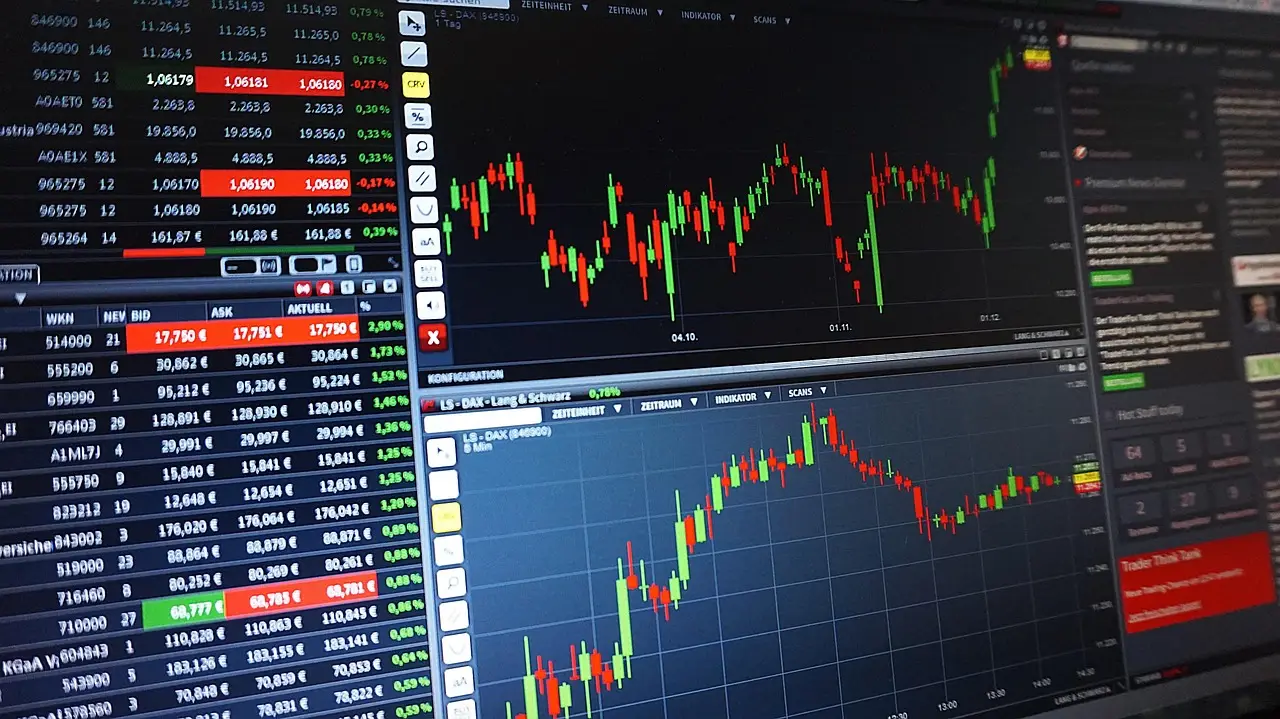
Anthropic made its Wall Street debut on Thursday in the largest IPO in history, and CEO Dario Amodei used the Nasdaq opening bell to recommit to pacing AI development. The company will take as long as necessary to confirm its systems are safe, he said, and will not bend to business or political pressure.
Reading from a printout, Amodei framed the company's mission through a personal story. He and his sister, co-founder Daniela Amodei, lost their father to a disease that became curable a few years later. He began his own career in biology hoping to accelerate cures.
What did the speech say about AI and medicine?
Amodei argued that human intelligence has already made plague, smallpox, and polio history for most of the world, but that progress on other diseases remains too slow. Too few scientists have too little time, he said. Going from a great idea to a treatment can take decades, and many years passed between the first discovery of a repeating pattern in DNA and approval of the first CRISPR-based treatment.
Scientists across biology and medicine now report that Claude helps them do research in a fraction of the time it would have taken two years ago, according to Amodei, covering protein folding, drug design, cancer genetics, and clinical trial administration. "I believe sufficiently powerful AI, working in concert with humans, could compress a century of scientific and medical progress into a decade," he said.
He cautioned that these are early results. Experiments and clinical trials will still take time, though he believes AI can substantially accelerate those processes. Beyond medicine, he cited customers applying Claude to economic growth, poverty relief, protecting democracy, and improving everyday services such as the DMV.
What risks did Amodei acknowledge?
Amodei described "very real risks" in AI, spanning misuse by individuals or nation-states, economic disruption, and losing control of AI systems. He said Anthropic discusses these risks because they are avoidable, not inevitable.
"There is much work still to be done, and the most difficult safety work lies ahead of us," he said. "The incredible talent of the company that has enabled us to build the most capable AI systems will need to be directed more so than it has already towards double and triple checking that those AI systems are safe and remain under human control."
He concluded with an unequivocal commitment: "We will pace the training and deployment of AI systems, taking as long as is necessary to have confidence that they are safe and will remain under human control."
How does this fit Anthropic's safety record?
The emphasis tracks Amodei's public record. In September, he drew headlines with a plan to pace AI development, including coordination with other leading companies on safety standards and embedding third-party evaluators to verify safety commitments.
OpenAI CEO Sam Altman, Google DeepMind chief Demis Hassabis, and xAI owner Elon Musk said they agreed with Amodei's position, although few concrete commitments have followed.
In his speech, Amodei said safeguards against biological and cyber risks, alignment training and testing, and looking inside models "like an X-ray" have been built into Anthropic's methods from the start. The company will remain invested in alignment work and in new ways to understand AI behavior, he said.
Daniela Amodei echoed the position in a CNBC interview on Thursday. The risks are real, she said, but the promise of AI is "incredible." She added: "We were really founded on this idea that it is our job to mitigate those risks, and I think we have to date done an incredible job doing that. We obviously have more work ahead of us, but we are deeply committed to safety."
What does the IPO change?
Amodei said the listing puts Anthropic in a stronger financial position and strengthens its resolve. He framed the goal as a "race to the top": showing that a company can make the right safety choices and still succeed, inspiring others in the industry to do the same.
When that race works properly, it does not matter which company has the best models, he argued, because everyone wins when everyone builds safely. The race works best driven from the front of the pack, and Anthropic expects to lead it, but the goal is a better industry regardless of whether the company wins or loses at any given time.
Amodei called the advent of machine intelligence one of the seminal moments in human history and said the industry has a rare opportunity to shape it for the better.
techcrunch.com (Source)
More from Grace Kim
Show full bio
Market editor covering people, launches and day-to-day practice in Semiconductors, chip manufacturing, hardware, AI compute at Chip Dispatch.
1,147 articles