Startups & FundingLOT 261120 · 4 min read
Anthropic Closes Nasdaq Debut at $97.17, Up 17.1% on $83 IPO
Anthropic closed its Nasdaq debut at $97.17, up 17.1% on its $83 IPO price, but 12.9% below its first trade. Nasdaq's listing page values ANT near $1.27 trillion, not $2 trillion.
Key takeaways
- ANT closed day one at $97.17 on 19 November 2026, up 17.1% on the $83 IPO price, after opening at $111.50.
- The IPO raised $81.3 billion plus a $26 billion private placement, totalling $107.3 billion.
- Nasdaq's listing page valued Anthropic at about $1.27 trillion at the close versus the $2 trillion fully diluted headline.
- Q3 2026 revenue was $16.96 billion, a $67.8 billion annual run rate, valuing ANT at 25.9x fully diluted at the close.
- Nasdaq-100 entry is expected 21 December 2026, with Russell 1000 inclusion flagged for 11 December.
By Tom Whitfield
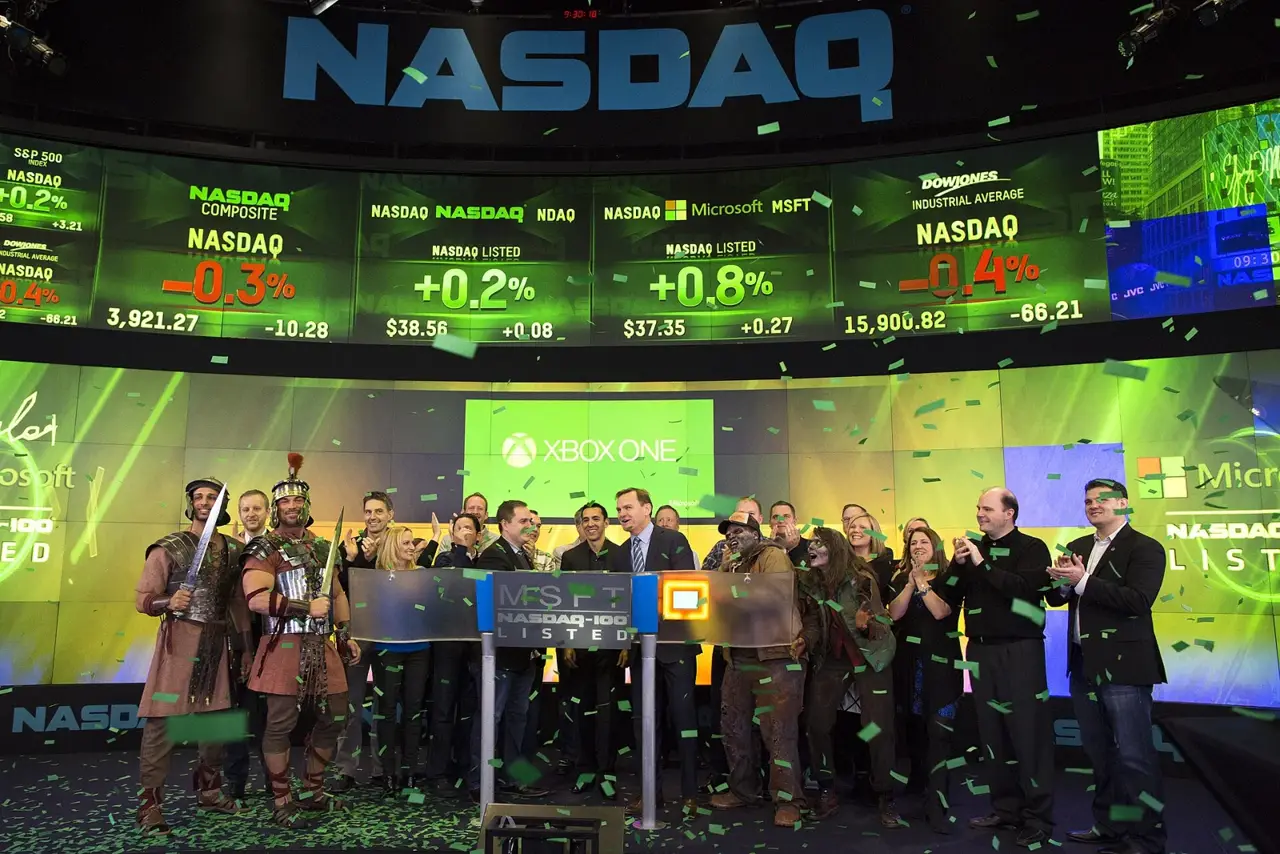
Anthropic (ANT) closed its first Nasdaq session at $97.17 on 19 November 2026, up 17.1% on its $83 IPO price. The headline number hides a violent session: the stock's first trade printed at $111.50 at roughly 11:48 a.m. ET, touched $115.10 within minutes, then gave back 12.9% from that first print by the closing bell.
The IPO itself raised $81.3 billion from 980 million Class A shares at $83, the largest base deal on record, plus a $26 billion Class N private placement to strategic investors including Google, Nvidia, Microsoft, AMD, Broadcom and Micron — $107.3 billion combined, according to CNN. Those strategic buyers closed the day with a 17.1% paper gain.
What actually happened on day one?
Lead underwriters Goldman Sachs and Morgan Stanley matched the opening cross late in the morning. The $115.10 high briefly valued the company above $2 trillion fully diluted, as CBS News reported. Then supply arrived. By 12:18 p.m. the shares sat near $95, and spent the afternoon in a $93–$98 band, bottoming at $92.72.
Two structural features made the fade likely. First, a staggered lock-up let non-founder insiders sell up to about 316 million shares from day one — roughly a third of the offering. Second, the broader market turned lower: the S&P 500 fell 1.6%, the Dow lost more than 900 points, and the Nasdaq Composite finished down 2.25%, per CNN. Volume reached about 840 million shares, 86% of the IPO size, against a free float of just 7.4% of shares, per Renaissance Capital.
Jay Ritter, the University of Florida IPO scholar, told CBS News: "Both the jump from the offer price and the high volatility are not surprising, given the enormous potential of the company and the wildly different opinions about how profitable the company will become."
The takeaway: the order book held, but the opening-cross premium did not.
$2 trillion headline or $1.27 trillion print?
The most important number of the day is the gap between two valuations. The "$2 trillion" figure counts every share, option and convertible — about 18.1 billion fully diluted shares. Nasdaq's listing page counts only shares outstanding, about 13.1 billion, which put Anthropic at roughly $1.27 trillion at the close and about $1.76 trillion fully diluted.
That distinction settled Polymarket's closing-market-cap contract, with roughly $17.8 million traded on its upper brackets. Two hours before the close, traders priced a 64% chance the listing-page value landed between $1.25 trillion and $1.5 trillion; after the bell that bracket was priced at 98%.
On revenue, the filing showed $4.73 billion in Q1 2026, $11.56 billion in Q2 and $16.96 billion in Q3. Annualised, that is a $67.8 billion run rate. The fully diluted multiple moved from 22.1x at $83, to 30.7x at the high, and settled at 25.9x at the close.
What did the company and analysts say?
CEO Dario Amodei said before ringing the bell: "An obsession with safety and public benefit has been built into Anthropic's DNA from the start." Co-founder Daniela Amodei framed the listing as widening ownership: "A big part of why we're going public is to have more people invested in building AI well."
Anthropic lists as a public benefit corporation, and D.A. Davidson's Gil Luria told CNN the company has been explicit it may sometimes choose not to maximise shareholder value. Dan Ives called the deal an "A-plus success"; Truist's Sam Grelck was more guarded, and Truist research found more than half of the 32 largest IPOs fell at least 50% at some point in their first year.
What happens next?
The index calendar favours buyers through December: FTSE Russell flagged possible Russell 1000 inclusion on 11 December, and Nasdaq's fast entry rule, effective 1 May 2026, puts ANT on track for Nasdaq-100 entry on 21 December. Lock-up tranches follow on days 27, 48, 62 and 76, favouring sellers from late December.
Scenario levels for 21 December sit at bull $115, base $100 and bear $83 — the greenshoe's 147 million shares becomes support below the offer. By mid-May 2027 the range is bull $143, base $102 and bear $57.55. The single number that decides which path holds is fourth-quarter revenue.
financefeeds.com (Source)
More from Tom Whitfield
Show full bio
Staff writer covering companies, deals and strategy in Semiconductors, chip manufacturing, hardware, AI compute at Chip Dispatch.
1,144 articles