Tech BusinessLOT 261122 · 3 min read
Anthropic IPO Gains 39% Intraday, Then Falls Back as Nasdaq Tests 26,000
Anthropic priced its IPO at $83, peaked near $115 (up 39%), then closed around $97.17 as the Nasdaq 100 slipped toward 26,000 after losing the 27,800–28,200 support zone.
Key takeaways
- Anthropic priced its IPO at $83 per share; the stock peaked near $115, up almost 39%.
- First session closed around $97.17, about 15.5% below the intraday high; IPO buyers kept ~17% gains.
- Nasdaq 100 lost the 27,800–28,200 support zone and approached 26,000.
- Next major support sits at 23,800–24,000 if the correction deepens.
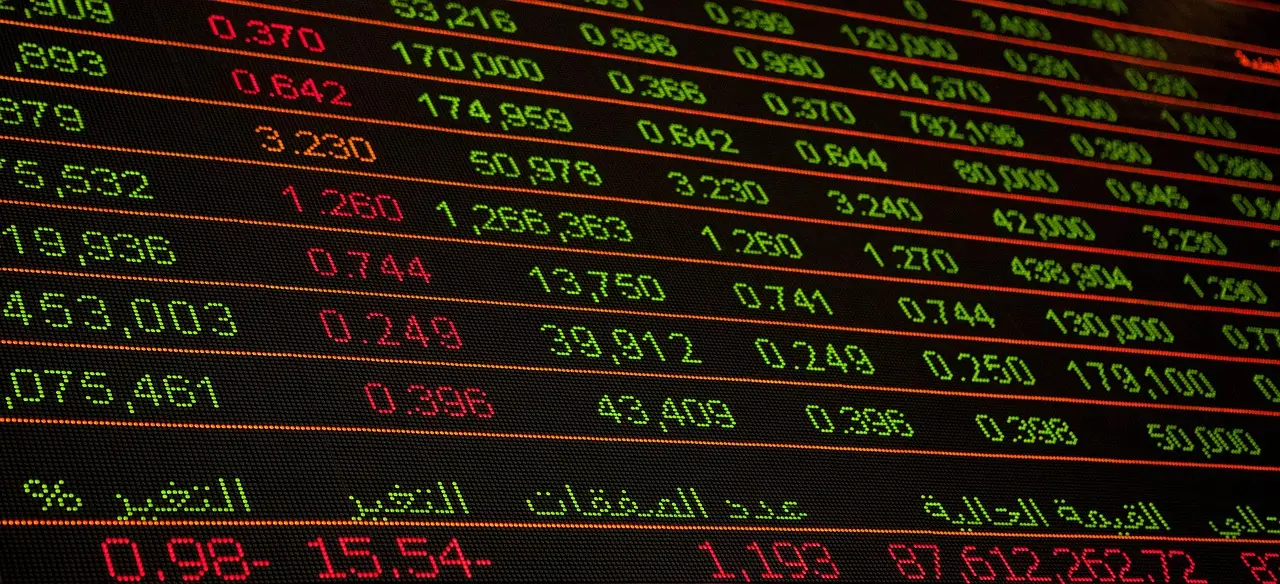
Anthropic, the developer of the Claude AI assistant, priced its initial public offering at $83 per share and watched the stock open near $111.50 before touching an intraday high of almost $115. That peak represented a gain of nearly 39% over the IPO price. The rally did not last through the session.
Profit-taking set in quickly. Shares closed their first trading day around $97.17, roughly 15.5% below the intraday high. Investors who bought directly into the IPO still held gains of about 17% at the close, while buyers who entered at the market open finished with losses.
The price action tells a clear story about sentiment toward artificial intelligence. Interest in promising AI companies remains strong, but questions about valuations and the potential returns on massive investments are growing more pressing. In plain words: demand for AI exposure is intact, yet conviction about what that exposure is worth is cracking.
What happened on the Nasdaq 100?
The Anthropic debut played out against a broader pullback. The Nasdaq 100 has continued its correction after losing the important 27,800–28,200 support zone, and the index has now approached 26,000, where buyers are attempting to stabilize the market.
The technical levels traders are watching:
- 27,800–28,200 — the major resistance zone the index lost, now the ceiling to reclaim.
- 26,000 — immediate support, where a buyer defense is forming.
- 23,800–24,000 — the next major support area if the decline extends.
As long as the index trades below 27,800–28,200, the technical picture shows signs of weakness. The reaction of buyers around 26,000 will now matter most.
Why does the IPO matter beyond one stock?
Anthropic's debut has become a revealing event for the wider AI market, and not only because of the size of the first-day move. The gap between the $83 IPO price, the $115 high and the $97.17 close captures the current tension in one session: capital is eager to reach AI names, but it is unwilling to hold positions at the prices that enthusiasm produces.
The pressure on the Nasdaq is not driven by AI company valuations alone. Interest rate expectations and the outlook for the U.S. economy are also weighing on the index, which means the correction has broader macro roots than any single listing. That distinction matters for anyone reading the Anthropic tape as a verdict on AI as a sector.
The takeaway from the first session is blunt: even strong interest in artificial intelligence does not guarantee sustained share price growth.
What comes next?
The market now faces a two-part test. Anthropic's shares must show whether post-IPO demand stabilizes above the $83 issue price or continues to bleed off the highs. The Nasdaq 100, in turn, must defend the 26,000 level; failure there opens the path toward the 23,800–24,000 support band.
The author's view is direct on this point: the Anthropic IPO demonstrated that AI enthusiasm alone cannot carry a stock, and the index correction will persist below the 27,800–28,200 zone. Whether the Nasdaq defends its current support, or the decline extends toward 24,000, is now the central question for the weeks ahead.
Trading CFDs and other financial instruments involves a high risk of capital loss. This article provides information about market movements, does not constitute investment research, and should not be considered investment advice. Past performance does not guarantee future results.
tradingview.com (Source)
More from Tom Whitfield
Show full bio
Staff writer covering companies, deals and strategy in Semiconductors, chip manufacturing, hardware, AI compute at Chip Dispatch.
1,200 articles