Tech BusinessLOT 261122 · 5 min read
Anthropic's $97.17 IPO debut fails to stop a $1.5T tech selloff
Anthropic closed up 17% at $97.17 after reaching a $1.5T market cap, yet tech weakness erased $1.5T. A six-session S&P 500 decline tests the AI trade's durability.
Key takeaways
- Anthropic closed at $97.17, up 17%, after opening at $111.50 and reaching $115.10.
- Its market capitalization peaked near $1.5T, with a fully diluted valuation above $2T.
- The Nasdaq 100 fell 2.2% as an estimated $1.5T in paper market value disappeared.
- Seven founders raised $1.95B; 5,300 founders and employees held $433B in equity, according to Steven Rattner.
- The S&P 500 had six consecutive down sessions and was down 5% for the week.
By Sophie Lindqvist
Anthropic (ANT) closed its Nasdaq debut at $97.17, up 17% from $83, yet the broader technology selloff erased an estimated $1.5T in market value.
The record-setting listing reached the Nasdaq just before noon ET on Thursday. It opened at $111.50, 34% above its $83 offer price, and traded as high as $115.10. Those moves briefly lifted Anthropic’s market capitalization to about $1.5T and its fully diluted valuation above $2T. The closing market capitalization was about $1.28T. Shares then traded 5% lower in premarket trading.
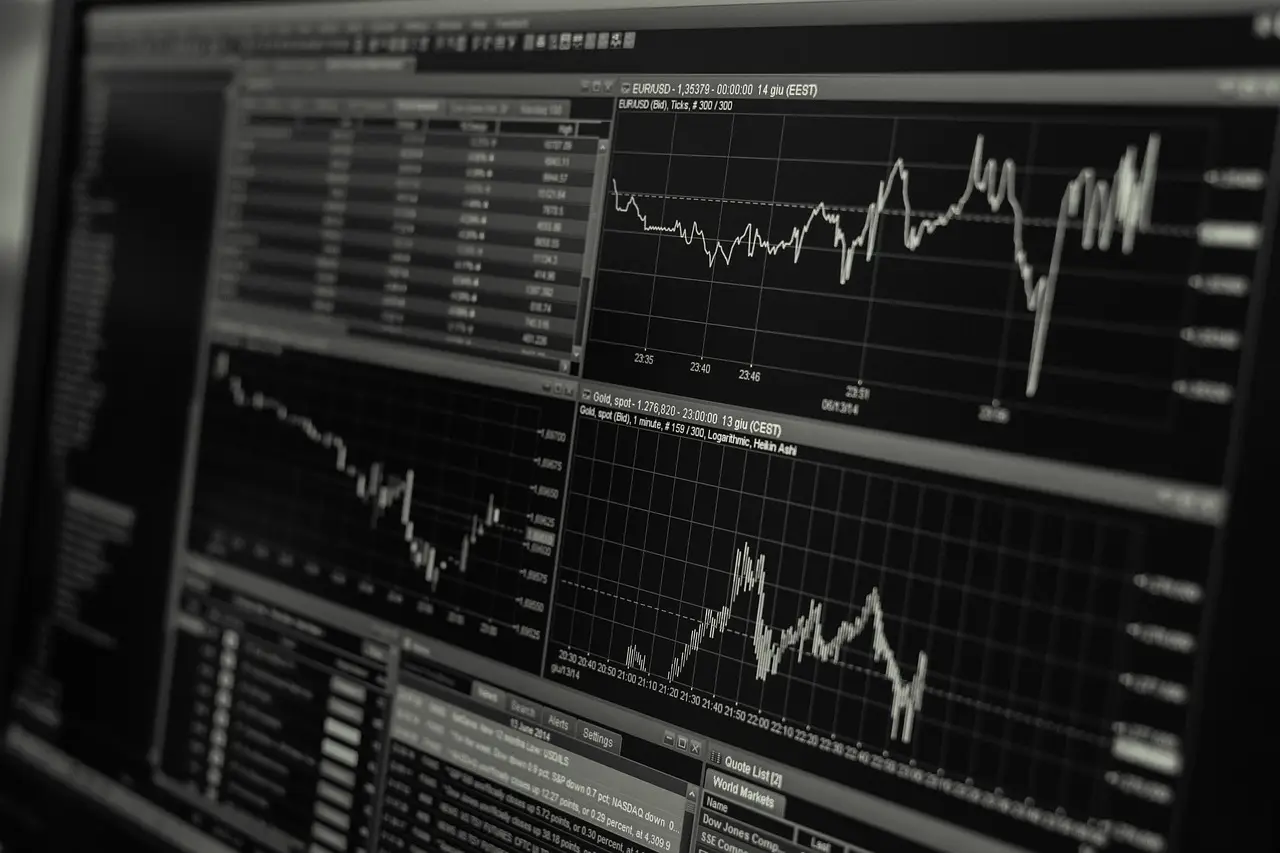
That combination defines the session. The historic AI listing did not prevent broad selling. During midday trading, the Nasdaq 100 fell 2.2%, and the S&P 500 dropped 2%. The moves erased an estimated $1.5T on paper.
What did the Anthropic IPO reveal?
The transcript calls the IPO historic and record-setting. Its first podcast chapter, at 0:17, covers the debut and the failure of the listing to stop technology shares from falling.
Seven Anthropic founders raised $1.95B by selling shares at the $83 IPO price. The wealth did not stop there. Investor Steven Rattner calculated that the company’s 5,300-person founder and employee group held equity worth $433B. By comparison, the net worth of 45 million households in the bottom third of the U.S. wealth distribution totaled $432B. Rattner based that comparison on Anthropic’s prospectus and the Federal Reserve’s 2025 Survey of Consumer Finances.
The $1B difference is striking but narrow. The report gives no breakdown of employee holdings or share counts. It also gives no IPO size, company revenue or proceeds retained by Anthropic. The listing’s scale therefore remains unverified.
The podcast then used a short jab: Claude, Anthropic’s assistant, received nothing from the founder windfall for now. Its second chapter, at 1:35, covers the founder and employee gains.
Why did one IPO pull stocks lower?
Market veteran Tom Hartley called the pattern a classic case of crowding out. In his account, a large new offering draws money from existing stocks and pushes the broader market lower.
That is Hartley’s mechanism, not a documented trace of proceeds. The source provides no fund-flow data showing where the IPO money went or how much existing investors sold.
Technology bull Dan Ives described the episode as a dark period for technology and a panic moment rather than a fundamental change. His counterpoint was that the market remained “just 15% through the buildout of the AI revolution.” He expected later investors to view the episode as an opportunity, comparing it with April 2025’s Liberation Day selloff and the COVID shock in March 2020. He made those comments on CNBC.
That is a forecast, not evidence of a durable earnings shift. The source supplies no spending, revenue or infrastructure figures for the buildout. It offers no chip orders, capacity additions or pricing data. The 15% claim cannot be checked against those commercial measures from the source.
Does a six-session selloff change the setup?
Premarket trading showed continued pressure. Nasdaq 100 futures fell more than 1%, S&P 500 futures dropped 0.5%, and Dow futures hovered near flat before slipping below 50,000 for the first time in five months.
The S&P 500 stood 5% lower for the week. If that loss held, it would be the benchmark’s largest weekly decline since the 2025 Liberation Day selloff. The index had also closed lower for six consecutive sessions.
Hartley called that pattern a trend, not a dip. He then set a cautious comparison:
“The last time the S&P had a losing streak this long was April 2024, and that one ended with a 4% bounce. The setup here is different — rates are higher, inflation is stickier, and the AI trade that carried the market for two years just went from ‘one stock’ to ‘one IPO,’” Hartley said.
His warning matters because the comparison does not assume an automatic rebound. The report does not identify which single stock previously anchored the AI trade, so that part of the claim cannot be independently tested from the source.
What returned with Roaring Kitty?
The third podcast chapter, at 2:17, turns to Keith Gill, known as Roaring Kitty. He posted on X for the first time in nearly two years, using an image of Cat Mario, a character transformation introduced in Super Mario 3D World.
Nintendo (NTDOY) ADRs rose after the post. GameStop (GME) gained 1.5% and bucked the broader market decline. The transcript does not establish that Gill’s post caused either move.
Gill first gained international prominence in early 2021 through research, YouTube streams and portfolio updates arguing that GameStop was undervalued. Those posts helped spark the historic meme-stock short squeeze. The transcript also placed the GTA 6 release in the same Thursday mix.
The economic calendar listed the 10:00 a.m. November Final Michigan Consumer Sentiment reading. The transcript lists the event but provides no result. An editor’s risk note warns about securities that do not trade on a major U.S. exchange. The transcript separately says Anthropic trades on Nasdaq, leaving the note’s scope unclear.
The Wall Street Breakfast episode is available on Apple Podcasts and Spotify.
For the AI trade, the next test is whether premarket weakness persists after six straight S&P declines. Hartley sees a less forgiving setup, with higher rates, stickier inflation and market concentration shifting from one stock to one IPO.
seekingalpha.com (Source)
More from Sophie Lindqvist
Show full bio
News editor covering money, funding and market shifts around Semiconductors, chip manufacturing, hardware, AI compute at Chip Dispatch.
1,238 articles