Anthropic Says Its Mythos Model Ported Claude to AMD GPUs in Three Days
Anthropic told IPO investors its Mythos model wrote nearly 100% of kernels to run Claude on AMD MI355X GPUs in about three days, versus six to 12 months by hand.
- By
- Grace Kim
- Filed
- Channel
- AI & Compute
- Read
- 3 min read
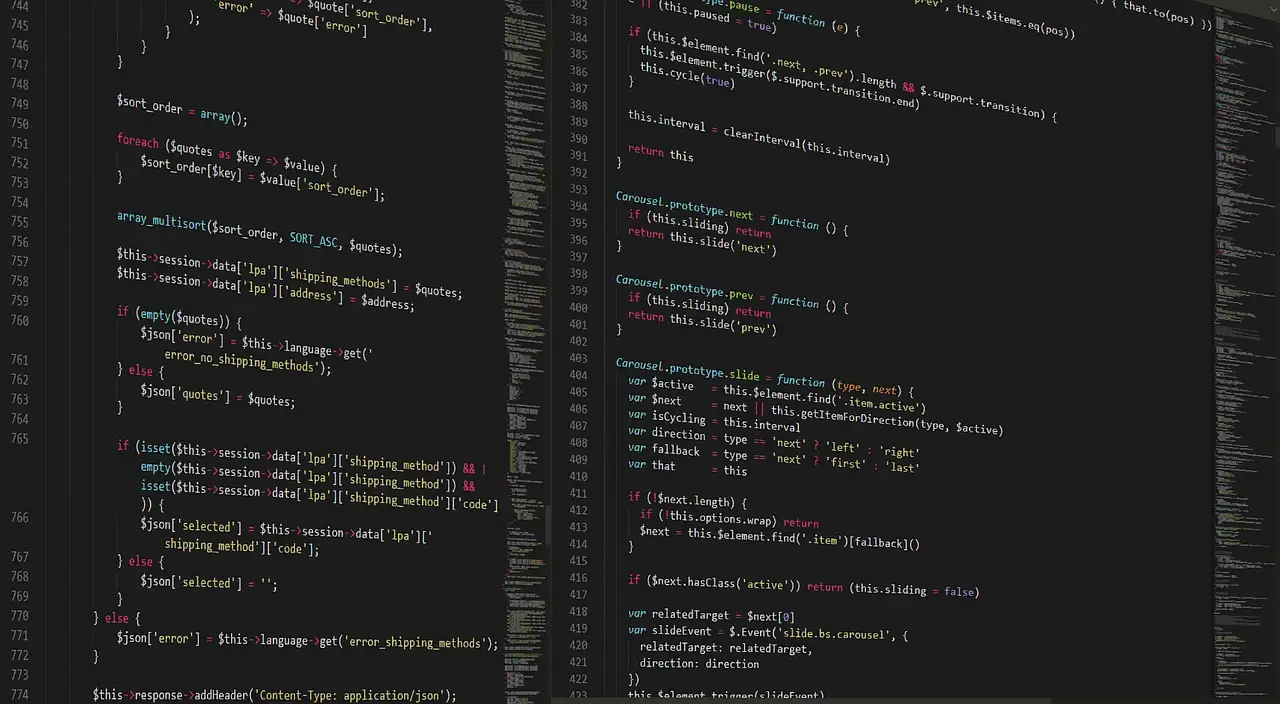
Anthropic says its frontier model Mythos ported or wrote nearly 100% of the kernels needed to run Claude on AMD Instinct MI355X GPUs, reaching usable performance in about three days. Traditional methods take six to 12 months, the company told investors.
The claim appears in Anthropic's IPO roadshow presentation ahead of its Nasdaq listing. The Decoder reported the figures on Nov. 11 and reproduced an Anthropic chart showing prompt-processing performance on the MI355X. The numbers come from the investor deck and have not been independently verified, The Decoder noted.
What is Anthropic actually claiming?
The pitch sits in the "approach to compute" chapter of the roadshow video. Co-founder and Chief Compute Officer Tom Brown described what he called an "unconventional bet" on running Claude across several chip families at a time when most of the industry thought the effort was not worth it.
Each accelerator needs its own kernels and inference stack. That is why a new chip bring-up has typically tied up dozens of engineers for months. Anthropic says Mythos wrote or ported nearly all of that low-level code with almost no human intervention.
The prospectus makes the same point in more guarded language. "Historically, bringing a new chip platform into production required intense engineering effort over many months," it says. "By leveraging Claude, our engineering teams can now bring new chip platforms into production more quickly."
The prospectus adds a caveat. The speed also rests on years of work across chip families, including "a proprietary orchestration layer" that tests performance against Anthropic's real workloads.
Anthropic says it trains and serves Claude natively on four chip families: AWS Trainium, Google TPUs, Nvidia GPUs and AMD GPUs. It allocates them as one pool across research, customer demand and internal use. The company credits that flexibility, together with model improvements, for lifting compute efficiency — revenue divided by compute and infrastructure spending — 4.3 times, from 0.40 in the first quarter of 2025 to 1.72 in the third quarter of 2026.
Why does it matter for Nvidia?
Nvidia's CUDA software stack is the main reason customers find it costly to switch away from its chips. Years of kernels, libraries and tooling target it. If a frontier model can rewrite that layer for a rival chip in days, buyers can shop more freely on price and availability, The Decoder noted. That would pressure the gross margins of more than 70% that Nvidia earns on its hardware.
The claim lands in a difficult week for Nvidia. Its valuation has fallen to a decade-plus low amid the board's investigation of CEO Jensen Huang, with earnings due Nov. 17. The claim is also part of Anthropic's sales pitch as bankers weigh pricing its IPO above the $70 to $78 range, the Financial Times reported.
How are the chipmakers responding?
Both are buying stock. AMD and Anthropic announced on July 22 that Anthropic would deploy up to 2 gigawatts of AMD Instinct MI450 Series GPUs in Helios rack-scale systems. The first gigawatt starts in the first half of 2027. AMD committed to an equity investment of up to $5 billion, and the two launched an engineering collaboration to use Claude to speed up AMD software development, including the ROCm stack.
Nvidia remains a large supplier and investor. In the $26 billion concurrent private placement attached to the IPO, Nvidia and Google would each buy about $10 billion of Anthropic's Class N stock and AMD about $2.5 billion, which counts toward its $5 billion commitment, according to the prospectus.
What to watch: whether Anthropic or AMD publishes benchmark detail on the MI355X port, and how the claim plays on Nvidia's Nov. 17 earnings call.
Source: mlq.ai
More from Grace Kim
Show full bio
Market editor covering people, launches and day-to-day practice in Semiconductors, chip manufacturing, hardware, AI compute at Chip Dispatch.
913 articles
Related articles
anthropic-weighs-building-its-own-ai-chips-reuters-reports-e4909373
Anthropic Weighs Building Its Own AI Chips, Reuters Reports
anthropic-launches-claude-fable-and-mythos-5-2-models
Anthropic Launches Claude Fable and Mythos 5.2 Models