Apple Posts Record $57.58 Billion iPhone Quarter With No Standard Model
Apple earned a record $57.58 billion from iPhones, up 17 percent, despite a Pro-only iPhone 18 refresh and rising memory costs squeezing margins across the industry.
- By
- Nathan Brooks
- Filed
- Channel
- Tech Business
- Read
- 3 min read
Apple booked $57.58 billion in iPhone revenue for its fourth quarter, a 17 percent year-over-year jump, without shipping a single new standard-model iPhone. The figure, disclosed in an earnings report released Monday, sets a record for the segment and caps a refresh cycle built entirely around pricier Pro hardware.
How did Apple grow iPhone revenue without a new standard model?
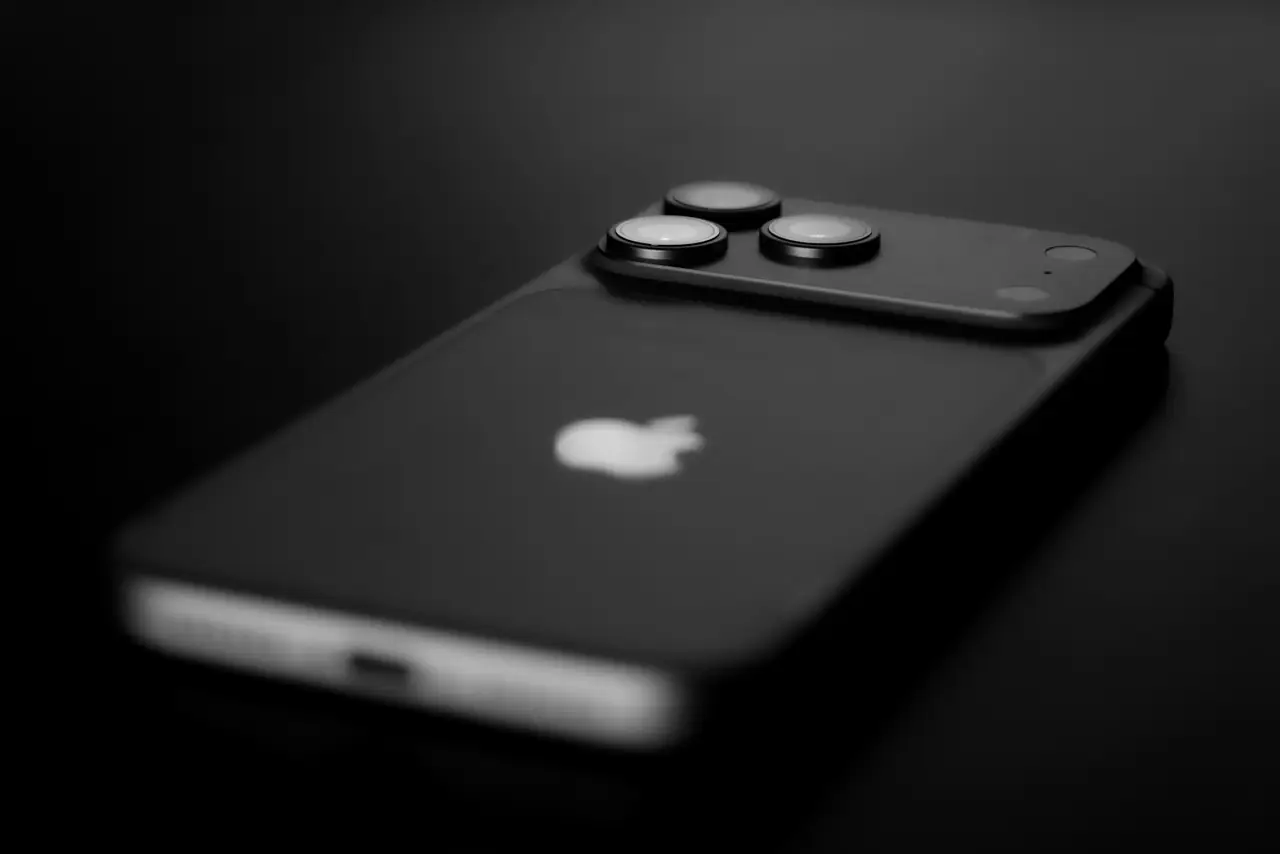
The September launch of the iPhone 18 lineup brought only a more expensive iPhone 18 Pro and Pro Max. Apple raised prices on its older models at the same time. The arithmetic is straightforward: fewer product families, higher average selling prices, and a customer base that kept buying anyway.
The quarter does not include preorder revenue from the iPhone Duo, Apple's first folding phone, which the company unveiled alongside the lineup. That revenue lands later. Some Duo shipment estimates already extend into 2027, and Apple offered only a "limited" number of units in stores at launch.
What about memory costs?
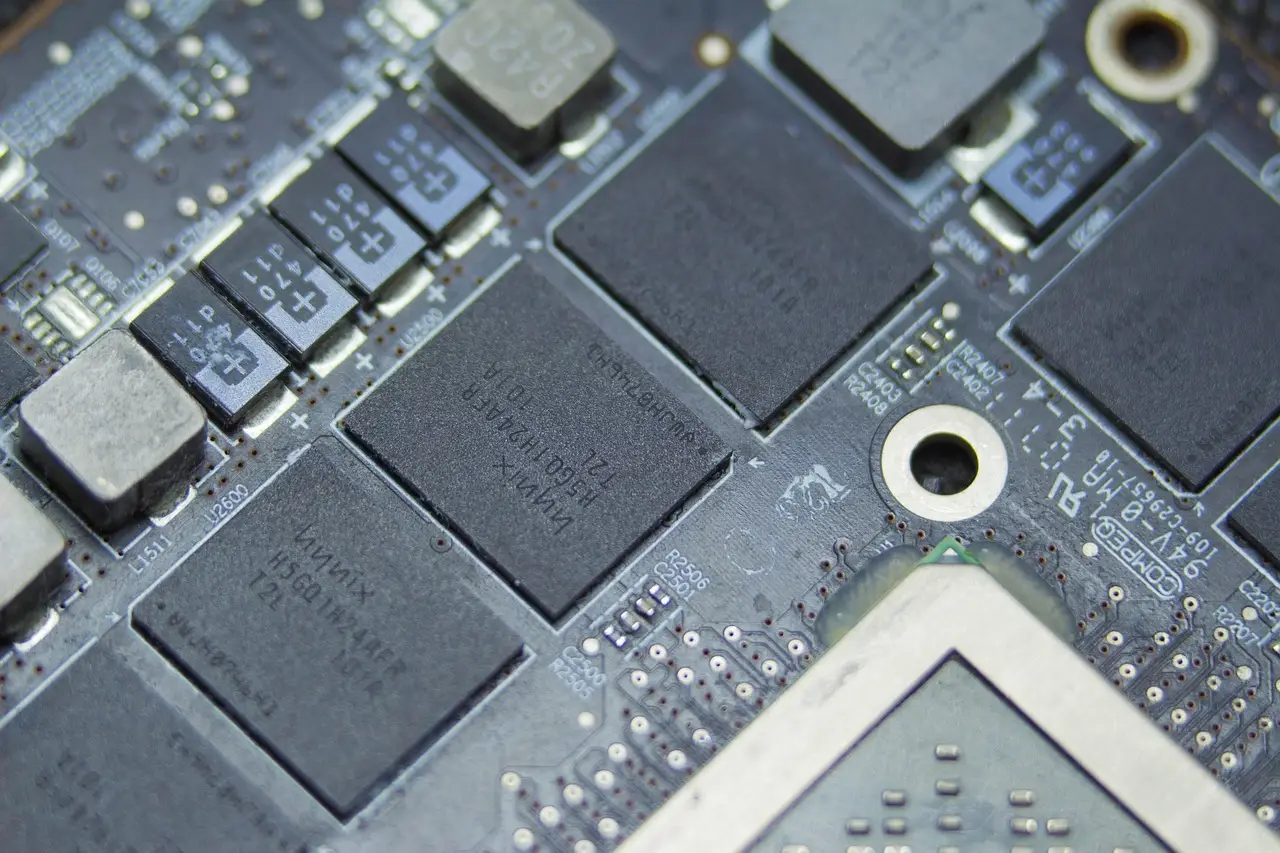
Memory pricing is the supply story of the moment, and Apple is not exempt. Apple CEO John Ternus told CNBC: "We saw higher memory costs as compared to the June quarter, and that was partly offset by the benefit of carrying inventory and lower costs on non-memory components." Inventory discipline, in other words, absorbed part of the blow. Price increases across the product catalog absorbed the rest. This is the same dynamic squeezing every device maker this cycle, and Apple's margin structure gives it more room to pass costs through than most.
Where did the rest of the $114.5 billion come from?
Total revenue rose 12 percent to $114.5 billion. The breakdown:
- Mac: $10.79 billion, up 24 percent — the strongest growth of any hardware segment
- Services: $31.57 billion, spanning App Store commissions and subscriptions to Apple TV and Apple Music
- iPad: $6.23 billion, down 10 percent year over year — the one soft spot in the report
The iPad decline sits oddly beside everything else. A ten percent drop in a quarter of record iPhone demand suggests the tablet has become a discretionary purchase, deferred rather than replaced.
What else did Apple launch?
The past several weeks brought a broader portfolio shake-up than the phone lineup alone. Apple entered the smart home market with its first smart home display, plus a series of video doorbells, security cameras and door locks built with LG and Schneider Electric. Last week it revealed a touchscreen MacBook Pro — a design choice its executives famously resisted for over a decade. Both reversals arrived in a single quarter, which says something about how much the competitive map has shifted.
What happens next?
The December quarter will carry the first full window of iPhone Duo revenue, assuming supply holds. If Duo shipments genuinely stretch into 2027, the folding phone becomes a multi-year ramp rather than a launch event — and memory costs, which Ternus flagged as rising, will decide how much of the pricing power Apple gets to keep.
Original: apple.com
More from Nathan Brooks
Show full bio
Senior reporter covering people, launches and day-to-day practice in Semiconductors, chip manufacturing, hardware, AI compute at Chip Dispatch.
760 articles
Related articles
apple-s-first-foldable-sells-out-its-supply-in-under-an-hour-d6dc2bdc
Apple's First Foldable Sells Out Its Supply in Under an Hour
apple-s-wearables-segment-falls-to-7-5-of-revenue-80c652a6
Apple's Wearables Segment Falls to 7.5% of Revenue
raspberry-pi-5-16gb-hits-385-after-second-80-ram-driven-price-hike
Raspberry Pi 5 16GB Hits $385 After Second $80 RAM-Driven Price Hike
apple-s-new-ceo-ternus-targets-faster-product-launch-cadence-149a1922
Apple's New CEO Ternus Targets Faster Product Launch Cadence