Arizona High Schools Open Semiconductor Career Tracks
Arizona high schoolers are enrolling in semiconductor and advanced manufacturing training tracks as the state absorbs some of the largest U.S. fab investments and tries to close a technician workforce gap.
- By
- Nathan Brooks
- Filed
- Channel
- Semiconductors
- Read
- 3 min read
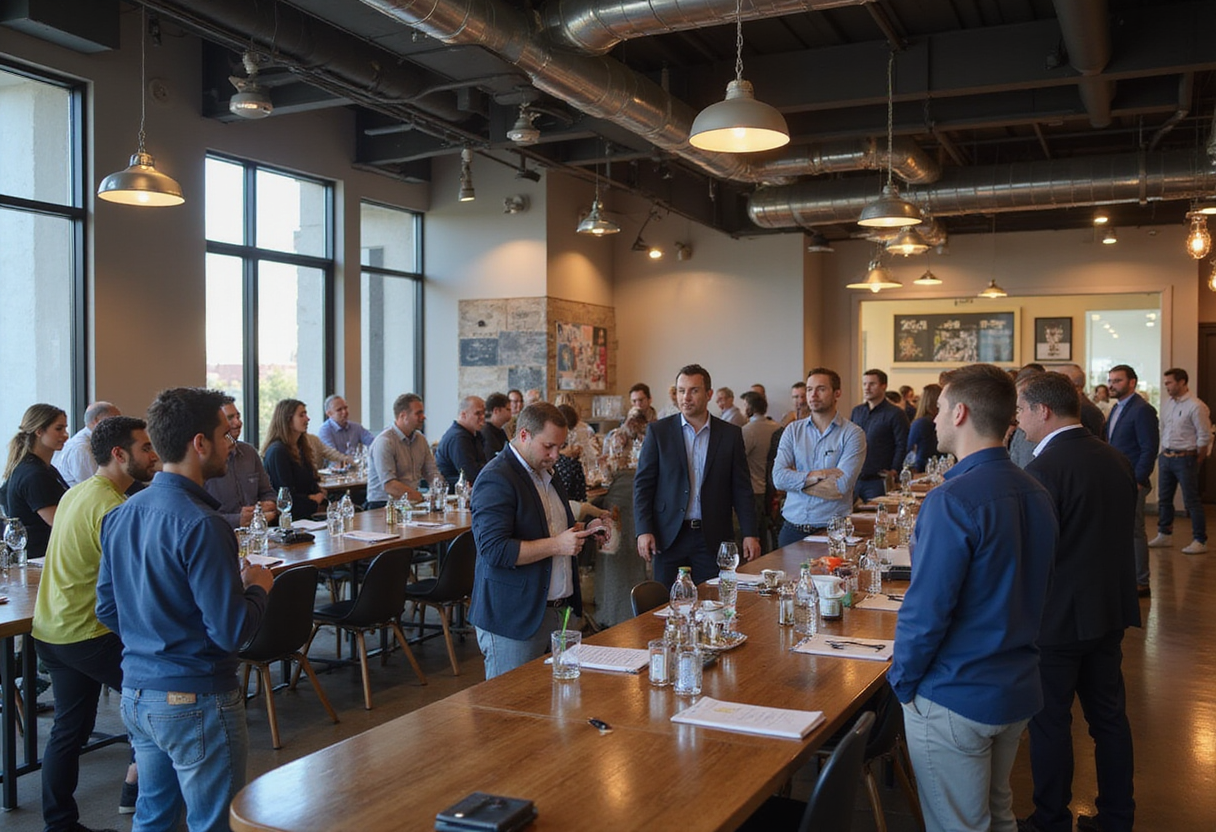
Hundreds of Arizona high school students are now enrolled in career-training programs focused on semiconductor fabrication and advanced manufacturing, FOX 10 Phoenix reported, in an early-stage effort to staff the state's growing chip cluster.
The state's K-12 system has begun aligning electives, dual-enrollment courses and career-technical-education (CTE) pathways with the hiring needs of chipmakers and their suppliers. The move matters because Arizona hosts the largest concentration of new front-end fab capacity under construction in the United States.
What is driving the training push?
Arizona's semiconductor footprint has expanded sharply over the past three years. TSMC is building its first Arizona fab in Phoenix, with production on the N4 process node targeted for 2025. Intel operates the Ocotillo campus in Chandler, one of the company's largest manufacturing sites, and is upgrading facilities to support its Intel 18A and 20A process technologies. Both projects, plus a network of equipment vendors and chemical suppliers, are creating demand for thousands of technicians, maintenance staff and process operators that the local labor pool cannot yet supply.
The workforce gap has become a recurring concern among chip executives and industry analysts. Semiconductor fabs require specialized skills in vacuum systems, photolithography support, cleanroom protocol, and chemical handling — competencies that traditional high school curricula rarely cover. Without a pipeline, companies face ramp delays, higher labor costs, and heavy reliance on H-1B and other visa categories for in-demand roles.
What are the students learning?
The training programs blend classroom instruction with hands-on work. Coursework typically includes:
- Cleanroom procedures and contamination control
- Vacuum and pneumatic system basics
- Electrical and mechanical fundamentals
- Safety protocols for hazardous chemicals
- Blueprint reading and statistical process control
Some districts have partnered with community colleges and industry groups to offer dual-credit courses that count toward associate degrees in semiconductor technology or mechatronics. A few schools have set up mock fab labs — small cleanroom-style training spaces where students practice gowning procedures and equipment handling before stepping onto a real production floor.
How does this fit the broader policy picture?
Workforce development has moved to the center of U.S. semiconductor policy. The CHIPS and Science Act of 2022 set aside dedicated funding for chip-industry training, and several states — Arizona, Ohio, Texas and New York among them — have used portions of their CHIPS allocations to support K-12 and community college programs tied to fab construction. Universities in Arizona, including Arizona State University and the University of Arizona, have also expanded semiconductor engineering programs, creating a longer pipeline that begins in high school and runs through graduate study.
Industry participation has grown alongside the public funding. Intel, TSMC and major equipment makers have funded scholarships, donated used tools, and hosted facility tours for high school cohorts, according to publicly available company disclosures.
What comes next?
The first cohorts of these training programs are still completing their studies, and it remains unclear how many will move directly into fab employment versus continuing to college. The state has a strong interest in retention, given the cost of recruiting experienced technicians from other regions such as Oregon, Texas and the Pacific Northwest.
Whether the pipeline scales fast enough to support the next wave of Arizona fab capacity — including TSMC's planned second and third Phoenix modules — will depend on continued CTE funding, faculty hiring at partner colleges, and steady enrollment from a high school population that has only recently begun to view semiconductor careers as a viable path.
Source: Google News: semiconductors
More from Nathan Brooks
Show full bio
Senior reporter covering industry trends and analytics at Chip Dispatch.
263 articles
Related articles
tsmc-arizona-turns-to-veteran-talent-for-fab-staffing-push-e40c8a3f
TSMC Arizona Turns to Veteran Talent for Fab Staffing Push
tsmc-commits-165-billion-to-six-fab-arizona-buildout-1c603c35
TSMC Commits $165 Billion to Six-Fab Arizona Buildout
tsmc-pours-record-money-into-arizona-while-china-pressures-taiwan-8a891185
TSMC Pours Record Money Into Arizona While China Pressures Taiwan
tsmc-weighs-multibillion-dollar-texas-campus-to-expand-ai-chip-capacity-3e064d8a
TSMC Weighs Multibillion-Dollar Texas Campus to Expand AI Chip Capacity