AI & Compute · 3 min read
Army offers land at nine bases for power and data-center bids
The Army is soliciting power and data-center projects at nine bases, requiring one-hour backup startup and 14 days of service. The 25-year leases carry no Army purchase of power or computing capacity.
Key takeaways
- Nine installations across nine states are included in the Nov. 20 solicitation.
- Bids are due at 5 p.m. ET on Jan. 18, 2027; questions are due Jan. 6.
- Projects must supply power within one hour and sustain at least 14 continuous days, with 90 days preferred.
- Leases run for an initial 25 years, and the Army will not purchase power or computing capacity.
- Eligible nuclear reactors are capped at 500 MW per unit, while preferred data centers target PUE of 1.15 or lower.
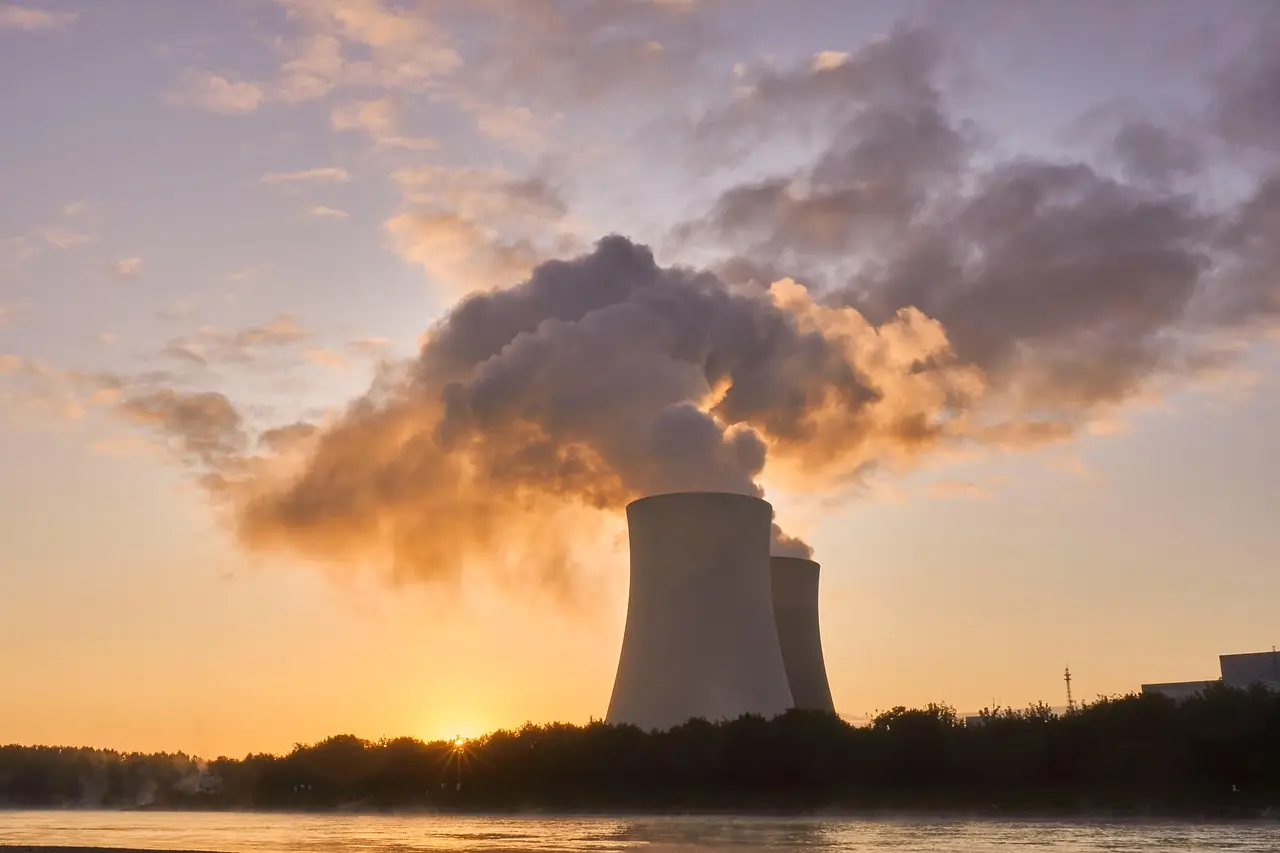
The U.S. Army is offering land at nine installations in nine states for commercial power projects, with bids due January 18, 2027, and backup power required within one hour for at least 14 days. The Nov. 20 request for proposals uses the Army's enhanced-use lease authority under its Strategic Capital Initiative.
The solicitation, titled "EUL for Development of Commercial Power Generation Facilities and Data Centers Opportunity," prefers proposals that combine generation with a data center. Developers may propose power generation alone, but the Army's document states: "proposals for a data center-only will not be considered." A data-center bid therefore needs a generation plan regardless of its AI or high-performance computing target.
What must developers deliver?
Each qualifying power project must deliver contingency power to the installation within one hour of any grid outage and maintain service for at least 14 continuous days. The Army prefers systems able to sustain operations for up to 90 days.
- Eligible generation includes low-emission gas turbines, reciprocating engines, fuel cells, small modular and other advanced nuclear reactors of up to 500 MW per unit, and utility-scale batteries.
- The Army ranks hardened, isolated data centers for top-secret workloads first. It then prefers hyperscale, AI, or high-performance computing facilities, with a target power usage effectiveness (PUE) of 1.15 or lower.
The order makes outage performance a condition of entry rather than a general aspiration. In practice, the Army is testing private generation as a source of installation resilience, not a stand-alone data-center lease.
Which bases are in the solicitation?
Holland & Knight's summary lists nine site tours, beginning Nov. 30 and ending Dec. 17. The summaries do not state acreage for these nine locations.
- Fort Bragg, North Carolina: Nov. 30
- Blue Grass Army Depot, Kentucky: Dec. 1
- Pine Bluff Arsenal, Arkansas: Dec. 2
- Fort Rucker, Alabama: Dec. 3
- Fort Hood, Texas: Dec. 8
- Fort McCoy, Wisconsin: Dec. 10
- Sierra Army Depot, California: Dec. 15
- Tooele Army Depot, Utah: Dec. 16
- Joint Base Lewis-McChord, Washington: Dec. 17
Together, the sites span the Southeast, central states, Mountain West, California and the Pacific Northwest. The Army is therefore testing the same commercial concept across widely separated operating environments.
Who pays for power and computing capacity?
Leases have an initial 25-year term. The Army will buy neither electricity nor computing capacity, so developers must line up third-party buyers.
Projects may not draw on aquifers and must be water-neutral or better. Bidders must be organized in the United States and majority domestically owned. Questions are due Jan. 6, and proposals are due at 5 p.m. ET on Jan. 18, 2027.
The lease structure shifts financing, buyer risk and operating obligations to the private developer.
What happened in earlier rounds?
In March, the Army conditionally selected Carlyle to develop about 1,384 acres at Fort Bliss, Texas, and CyrusOne to develop about 1,201 acres at Dugway Proving Ground, Utah. The developers would build their own behind-the-meter power. Military.com reported that neither lease had been finalized.
A June Army solicitation sought power projects at seven eastern installations, and conditional awards at six followed in September. Sen. Ruben Gallego has filed a defense-bill amendment that would bar new privately operated data centers on military installations, with exceptions for Defense Department national security facilities. The amendment has not been voted on.
Neither the earlier leases nor the political rules for private data centers are settled. The next commercial test is whether developers can line up third-party buyers for projects carrying a 14-day backup-power obligation.
mlq.ai (Source)
More from Tom Whitfield
Show full bio
Staff writer covering companies, deals and strategy in Semiconductors, chip manufacturing, hardware, AI compute at Chip Dispatch.
1,284 articles