Bundeswehr Grounds Quantum Systems Drones After Update-Server Hack
Malware disguised as a QBase update reached Bundeswehr servers but not the drones; the €7 billion drone maker's fleet was flying again by Nov. 13 as three agencies investigate.
- By
- Tom Whitfield
- Filed
- Channel
- Science & Technology
- Read
- 3 min read
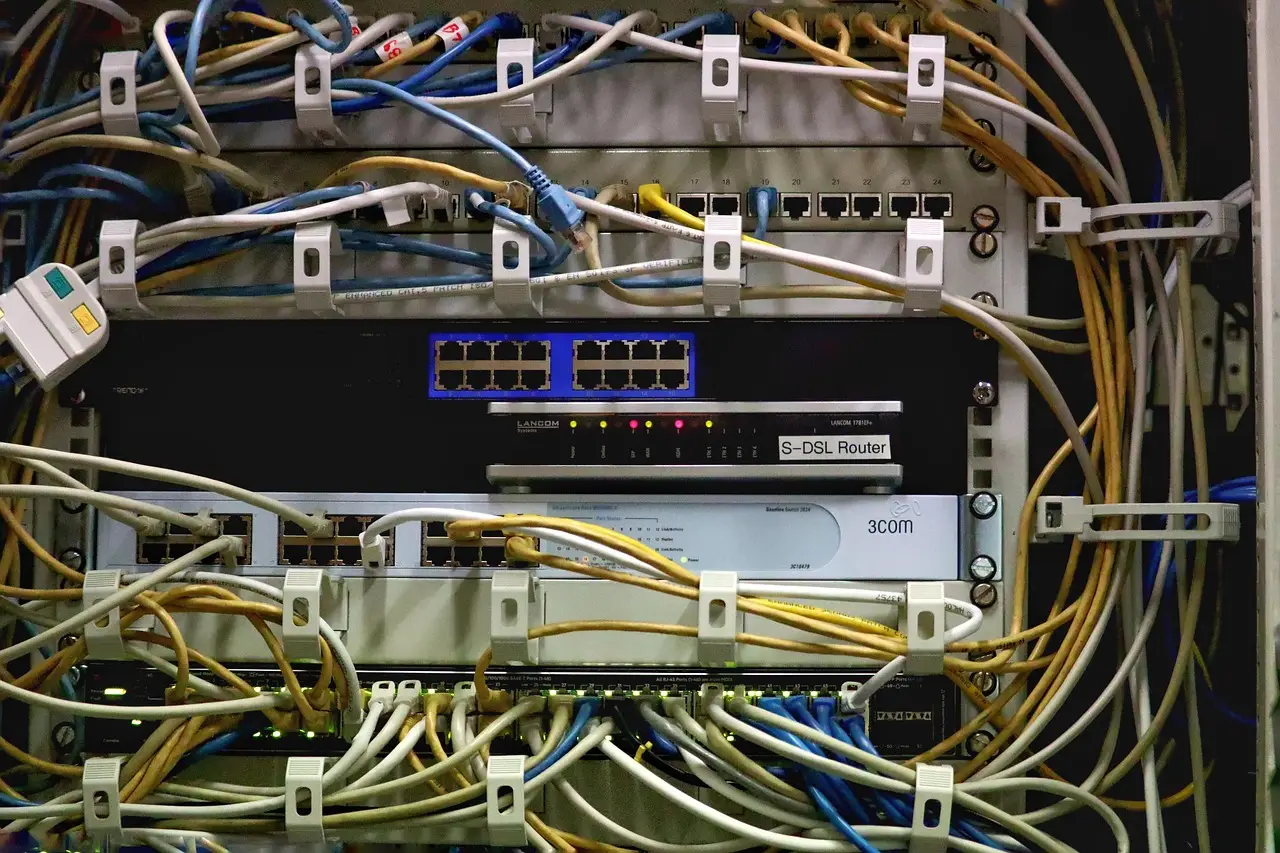
Germany's armed forces grounded Quantum Systems reconnaissance drones for several days after hackers planted malware on the drone maker's internal update server, the Financial Times reported on Nov. 12. The Munich-area company detected the intrusion at the end of October and says the Bundeswehr's aircraft were back in operation as of Nov. 13.
Quantum Systems confirmed the attack on the evening of Nov. 12 and said its IT and security teams had contained it together with the authorities. The company stated that "operating the systems carries no risk." Its fleets outside Germany continued flying throughout.
What actually happened?
According to Der Spiegel, the intruders gained access to Quantum Systems' network and placed malware on an internal update server. The malicious file was disguised as a routine update for QBase, the ground-control and mission-planning software for the company's Vector reconnaissance drone, which the Bundeswehr operates under the name Falke.
The file reached servers at the Bundeswehr and at other customers. It did not reach the drones themselves, and a check caught it, Spiegel reported. Two people told the FT that the grounding was precautionary and that it kept Quantum Systems out of a recent military exercise.
The takeaway in plain words: the attackers targeted the software supply chain, not the aircraft, and the compromise was caught before any drone was touched.
Who is behind it, and who is investigating?
None of the reports identifies what the malware was designed to do, and Quantum Systems has not named a suspect beyond unspecified "hostile actors." The company argued it was targeted "precisely because our work is critically relevant to customers' security."
Spiegel reported that three German bodies are investigating: the military counterintelligence service, the domestic intelligence agency and the federal IT security office. Germany's defense ministry told the FT it does not discuss the readiness of military equipment and declined to comment to dpa-AFX.
The open question of attribution matters commercially as much as technically; an unnamed state-linked actor would sharpen procurement scrutiny across Europe.
Why this company matters at this scale
Quantum Systems was valued at €7 billion — about $8 billion — in a funding round this year, according to the FT. Its military customers include Germany, Spain and the Netherlands.
- Germany planned to order 520 Falke systems for delivery in 2026, Spiegel reported.
- The company employs more than 200 staff in Ukraine.
- It runs three joint ventures in Ukraine building small attack drones, interceptors and ground vehicles; the FT said it was unclear whether those operations were affected.
The grounding therefore touched a supplier at the centre of European drone procurement, not a marginal vendor.
The wider commercial context
Money continues to flow into European drone makers even as security questions mount. Ukraine's UFORCE raised $700 million at a $6 billion valuation this week. In the same week, Germany's military announced it is dropping Chinese-made drones over spying concerns.
Both developments point in the same direction: European defence buyers are consolidating around European suppliers, which raises the security bar those suppliers must clear. A vendor valued at €7 billion whose update infrastructure was compromised faces a direct test of that trust.
With the Falke order for 520 systems due for delivery in 2026 and three German agencies still investigating, how fully Quantum Systems discloses the intrusion will likely shape its standing in the next round of European defence contracts.
Source: mlq.ai
More from Tom Whitfield
Show full bio
Staff writer covering companies, deals and strategy in Semiconductors, chip manufacturing, hardware, AI compute at Chip Dispatch.
919 articles
Related articles
hackers-breached-german-host-mittwald-via-its-mcp-server
Hackers Breached German Host Mittwald via Its MCP Server
google-cuts-qubit-estimate-for-breaking-bitcoin-encryption-by-20x
Google Cuts Qubit Estimate for Breaking Bitcoin Encryption by 20x
stela-translation-layer-lets-standard-pcs-boot-macos-on-apple-silicon
Stela translation layer lets standard PCs boot macOS on Apple Silicon
northrop-grumman-and-hermeus-sign-teaming-deal-for-high-mach-military-drones
Northrop Grumman and Hermeus Sign Teaming Deal for High-Mach Military Drones