Chips & PolicyLOT 261120 · 4 min read
California Subpoenas Nvidia Over Chip Diversion and Investor Claims
California AG Rob Bonta subpoenaed Nvidia on Nov. 19 over possible chip diversion to China and investor disclosures, as the stock fell 22% in nine sessions.
Key takeaways
- California AG Rob Bonta served Nvidia an investigative subpoena on Thursday, Nov. 19.
- Nvidia shares have fallen 22% over nine trading days since Huang admitted an extramarital affair.
- Bonta said conduct of Nvidia and Jensen Huang 'raises bright red flags' about misleading investors.
- Megaspeed, linked to alleged spy Alice Huang, is under investigation over restricted chip diversion to China.
- The subpoena release names no statute, documents or response deadline.
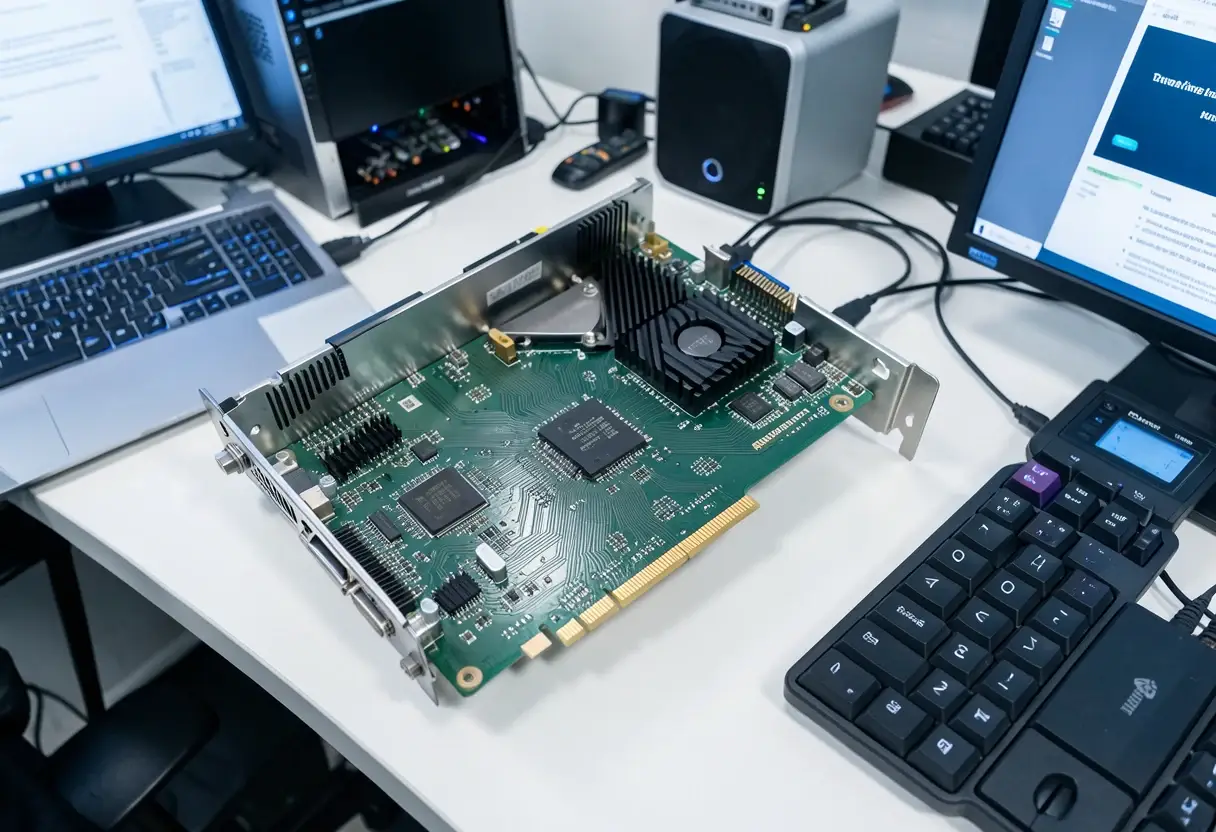
California Attorney General Rob Bonta served Nvidia with an investigative subpoena on Thursday, Nov. 19, opening a state inquiry into whether the company's advanced chips or confidential information may have reached China. The subpoena also asks whether Nvidia misled investors and the public, according to Bonta's office.
The state's top lawyer did not mince words about what prompted the demand for documents. "Companies cannot mislead their investors," Bonta said in a statement released from Oakland. He added that the conduct of Nvidia and its former chief executive, Jensen Huang, "raises bright red flags, including about the ways in which company may have misled investors."
Nvidia, headquartered in Santa Clara, had not responded to a request for comment on the subpoena, CNBC reported. The company has not publicly addressed the California action.
What does the subpoena actually demand?
The attorney general's office framed the inquiry around two questions. First, whether Nvidia's advanced chips or confidential information may have reached China, a core concern of U.S. export controls that restrict the sale of top-end accelerators to Chinese buyers. Second, whether Nvidia misled investors and the public about its affairs.
The office said the answers will help the California Department of Justice evaluate whether Nvidia's actions violated California law. CNBC reported that Bonta framed the investor question in terms of corporate securities law.
The release itself is thin on legal specifics. It names no statute, lists no documents demanded and sets no deadline for Nvidia to respond. The attorney general's office has also not said when it expects Nvidia to produce documents, or whether other companies received subpoenas alongside the chipmaker.
An investigative subpoena is a demand for information. It is not a lawsuit and not a finding of wrongdoing. Nvidia now faces a document-production obligation from its home state on top of pressure already building in Washington. In plain terms: California has opened a second front before the federal one has closed.
How did the scandal reach Sacramento?
The state action follows Huang's resignation as chief executive one week earlier, after allegations of multiple affairs. One of those alleged relationships involved Alice Huang, a former executive of Singapore-based Megaspeed whom reports have described as a suspected Chinese spy. The two are not related.
Megaspeed itself is under investigation over whether it diverted restricted Nvidia chips to China, CNBC reported. Neither Megaspeed nor Alice Huang has been charged with a crime in the reporting cited so far. The chip-diversion question at the heart of the California subpoena is therefore not hypothetical: a specific channel, a specific company and a specific person are already under examination elsewhere.
The supply chain stakes are straightforward. Nvidia's accelerators sit under U.S. export controls, and any leakage of restricted hardware or confidential design information to China would carry both regulatory and competitive consequences. Bonta's inquiry puts the company's compliance posture — and what it told shareholders about that posture — under state-level review.
Federal pressure has been building in parallel
The California subpoena is the latest in a series of escalations. Huang has agreed to appear before the Senate Banking Committee. Nvidia has held back its quarterly report, and a UBS analyst said management tied the delay to the ongoing investigation.
The matter has reached the White House as well. President Trump said he "might have referred" to Huang's situation briefly with Chinese leader Xi Jinping, indicating the affair has entered the diplomatic channel at the highest level.
The company also faces several shareholder suits over the scandal, including claims of lax director oversight, Reuters reported on Thursday. That litigation now runs alongside a state investigation, a Senate appearance and a delayed earnings report. In plain words: Nvidia is fighting on four fronts at once, and the board's own conduct is part of the record.
What has happened to the stock?
The market has rendered its own verdict on the unfolding story. Nvidia shares have fallen 22% over the nine trading days since Huang admitted to an extramarital affair, CNBC reported. The stock is on pace for a seventh straight weekly decline, a 38% drop over that stretch.
That decline matters beyond shareholder pain. A company that has held back its quarterly report, faces securities-related questions from a state attorney general and is watching its equity value slide will find its disclosure choices under increasing scrutiny from every direction — regulators, plaintiffs and institutional investors alike.
What comes next?
No response deadline has been set, and the attorney general's office has not indicated the scope of documents it expects. The immediate markers to watch are three: whether Nvidia publicly responds to the subpoena, whether the delayed quarterly report arrives with new disclosure language, and whether Megaspeed or any individual faces formal charges.
With a 22% share slide already priced in and state investigators now in the file room, the competitive dynamics of the investigation itself — how fast Nvidia produces documents and how much it discloses — will shape the next leg of this story.
mlq.ai (Source)
More from Tom Whitfield
Show full bio
Staff writer covering companies, deals and strategy in Semiconductors, chip manufacturing, hardware, AI compute at Chip Dispatch.
1,141 articles