Cercis Tops 10 Million Auto-Grade Shipments as RISC-V Extends Reach
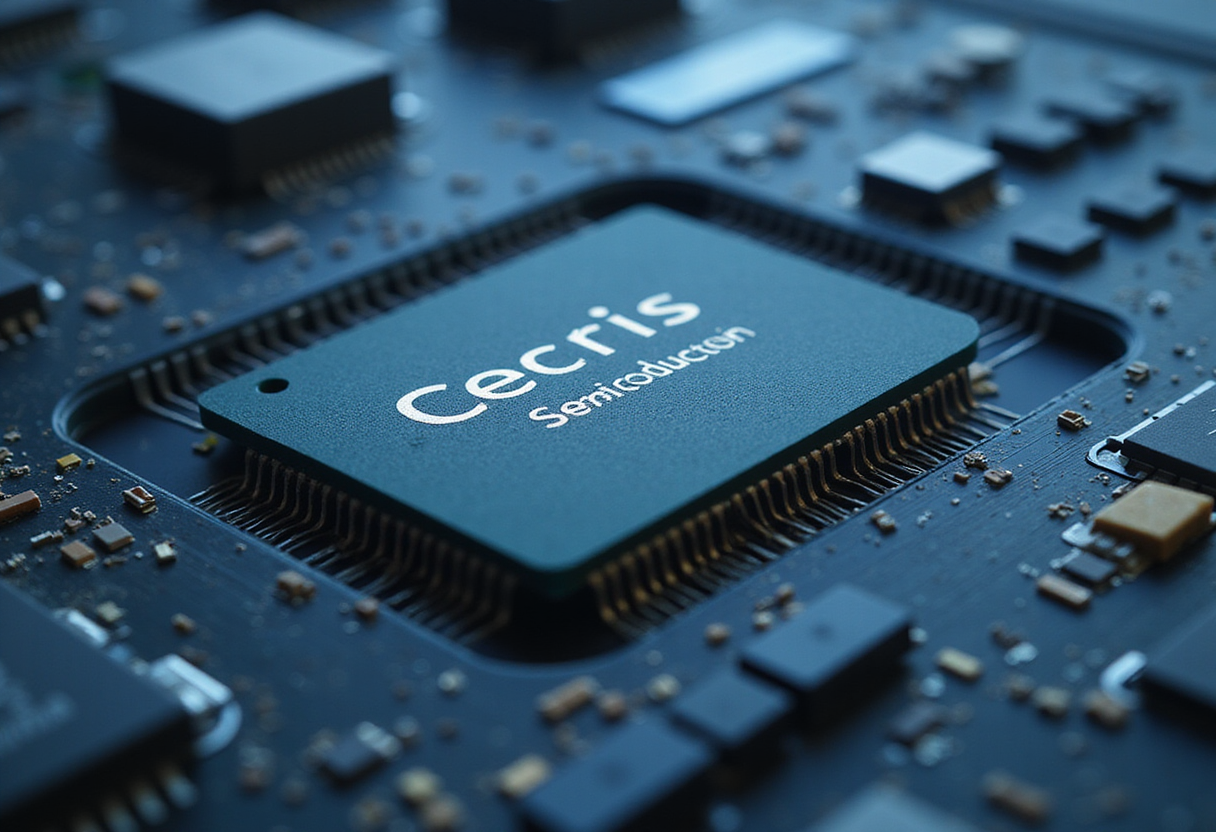
Cercis Semiconductor has crossed the 10 million cumulative shipment mark in auto-grade chips, per Gasgoo, though customer names, foundry partner and process node remain undisclosed.
- By
- Sophie Lindqvist
- Filed
- Channel
- Semiconductors
- Read
- 3 min read
Cercis Semiconductor has shipped more than 10 million auto-grade chips, according to industry trade publication Gasgoo.
The figure marks an undisclosed cumulative volume for the Chinese chip designer in the automotive safety-critical segment. Gasgoo reported the milestone on its portal. The publication did not disclose per-quarter shipment figures, revenue, or process node.
The shipments center on the RISC-V instruction set architecture, the open-source ISA competing with Arm and x86 in embedded designs. Reaching 10 million units in automotive represents a measurable vote of confidence from tier-one suppliers and OEMs whose names Cercis has not publicly confirmed. No direct executive quotation appeared in the Gasgoo brief, which limits independent verification of the company's framing.
What does the milestone tell us about RISC-V in cars?
The auto-grade designation implies compliance with AEC-Q100 or equivalent stress-test standards. Reaching a 10-million-unit cumulative threshold places Cercis among a small group of Chinese RISC-V vendors with sustained automotive traction. The exact product family, process geometry, and wafer foundry partner have not been disclosed in the source report.
The company has not published a roadmap indicating forward shipment cadence, foundry capacity allocations, or pricing. Without those figures, the 10 million number remains a cumulative lifetime total rather than a run-rate reading, a critical distinction for analysts modeling market share.
What gaps remain in the disclosure?
Gasgoo's report does not name OEM customers, geographic shipment distribution, or the specific AEC-Q test results backing the auto-grade claim. The publication also did not specify whether the chips are microcontrollers, application processors, or domain controllers. Each category carries different average selling prices and different supply chain implications.
Readers should weigh the 10 million figure against the absence of independent third-party verification. The Chinese automotive semiconductor market has produced several headline milestones in 2024 and 2025 that later required qualification by customers. Confirmation from at least one named OEM or tier-one supplier would strengthen the commercial claim.
How does this fit the broader RISC-V picture?
RISC-V International has reported steady growth in member companies and ratified specifications, including the RVA23 profile for application processors. Automotive qualifications have lagged mobile and IoT because functional safety standards (ISO 26262) demand longer validation cycles than consumer electronics.
Cercis is not the first Chinese RISC-V vendor to claim automotive wins. Earlier disclosures from SiFive, Andes Technology, and other RISC-V players have established the architectural baseline for safety-critical designs. The 10 million unit threshold, if independently confirmed, would place Cercis ahead of publicly disclosed Chinese peers in cumulative auto-grade volume from a single supplier.
What comes next?
The next test is disclosure transparency. Watch for a customer announcement, a foundry disclosure, or a functional safety certification filing. The RISC-V camp needs OEM-level validation, not merely cumulative volume figures, before the architecture can claim parity with Arm Cortex-M and Cortex-R designs in mass-market automotive ECUs. Cercis will face that disclosure pressure as Chinese OEMs expand domestic sourcing mandates through 2026.
Source: Google News: semiconductors
More from Sophie Lindqvist
Show full bio
News editor covering money, funding and market shifts around Semiconductors, chip manufacturing, hardware, AI compute at Chip Dispatch.
376 articles
Related articles
hyundai-mobis-backs-automotive-chip-localization-sdv-shift-9cd467a8
Hyundai Mobis Backs Automotive Chip Localization, SDV Shift
lam-research-reaches-15-000th-equipment-chamber-milestone-in-south-korea-43fe76db
Lam Research Reaches 15,000th Equipment Chamber Milestone in South Korea
vis-weighs-second-singapore-fab-after-first-plant-sells-out-3efb9954
VIS weighs second Singapore fab after first plant sells out
hyundai-mobis-pushes-to-localize-automotive-chips-in-korea-d5d89cad
Hyundai Mobis Pushes to Localize Automotive Chips in Korea