China Drafts Export Controls Targeting AI, Chip and Solar Technologies
China has proposed export curbs on AI, chip and solar technologies, extending state control over three strategic sectors in global technology supply chains.
- By
- Tom Whitfield
- Filed
- Channel
- Chips & Policy
- Read
- 2 min read
China has drafted export restrictions covering artificial intelligence, semiconductor and solar technologies, according to a report by the United News of Bangladesh. The proposal, if adopted, would extend Beijing's control over the flow of strategic technologies to overseas buyers.
The reported curbs target three sectors that sit at the centre of current trade tensions: AI, chips and solar equipment or materials. At this stage the measures are a proposal rather than settled policy, and the report does not state when the rules would take effect or which specific products they would cover.
What does the proposal cover?
The draft controls would give Chinese authorities the power to limit exports across three technology families:
- Artificial intelligence technologies
- Semiconductor technologies
- Solar technologies
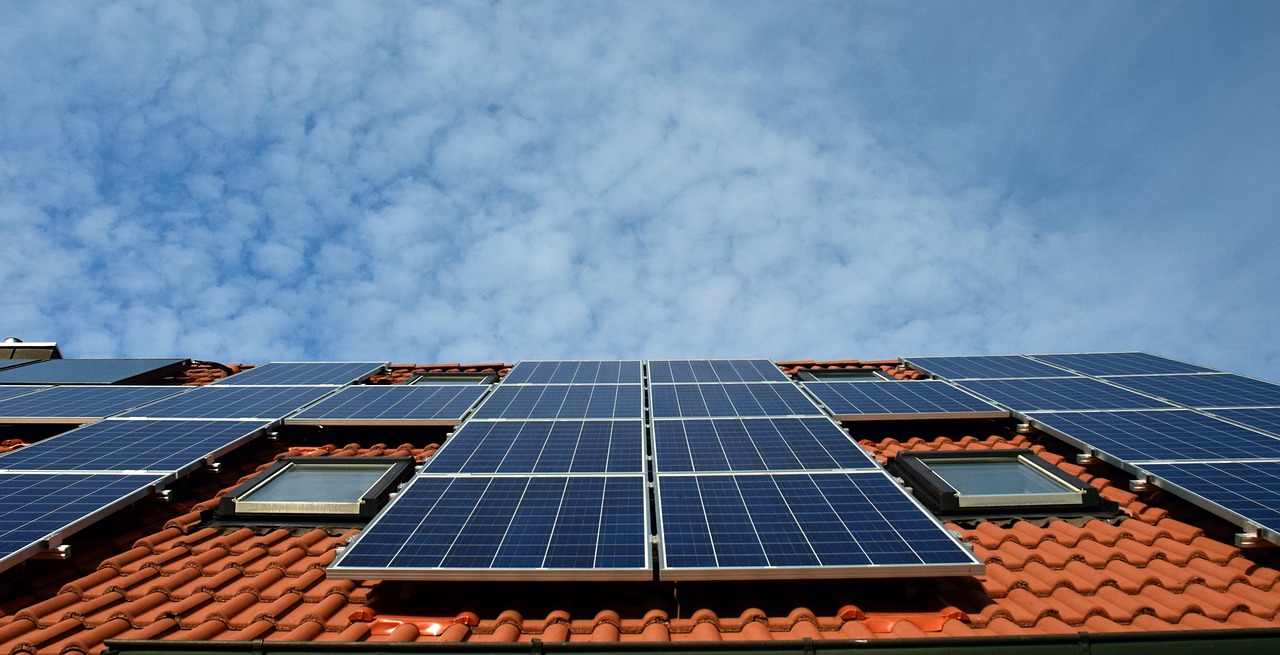
Each of these is an area where China holds a strong position in global supply. Chinese firms dominate solar manufacturing, and the country is a major supplier of processed materials and components that chipmakers elsewhere depend on. Any restriction on these flows would ripple through supply chains well beyond China's borders.
The report does not specify whether the controls would apply to finished products, manufacturing equipment, or the underlying technical knowledge. Export control regimes typically cover all three, and Beijing has used such tools before in the chip materials trade.
Why does Beijing control technology exports?
China has built an expanding system of export licensing for technologies it regards as strategically important. In recent years it has restricted sales of several chip-related materials, including gallium and germanium, metals used in compound semiconductors and optical products. Those earlier moves showed how Chinese licensing decisions can tighten supply and move prices in global markets.
The new proposal appears to follow the same logic on a wider scale. By adding AI and solar to the list of controlled fields, Beijing would gain leverage over two more columns of the modern technology economy. Solar module supply is already concentrated in Chinese hands, and AI hardware and software have become the most contested export category in the world.
For buyers in Europe, South Asia and the Americas, the practical question is one of timing. A proposal that sits in draft form may take months to become binding regulation, and governments and companies often use that window to adjust sourcing.
What happens next?
The draft must pass through China's regulatory process before it becomes enforceable, and the final scope may differ from the initial proposal. Governments that have imposed their own limits on chip exports to China will read the draft as part of a wider exchange of restrictions rather than an isolated move.
The commercial effect will depend on the final list of controlled items and the licensing rules attached to them; until those details appear, the proposal signals intent more than it changes trade flows.
Source: Google News: chip export controls
More from Tom Whitfield
Show full bio
Staff writer covering companies, deals and strategy in Semiconductors, chip manufacturing, hardware, AI compute at Chip Dispatch.
606 articles
Related articles
china-drafts-export-controls-on-ai-and-chips-to-limit-tech-transfers-38434b56
China Drafts Export Controls on AI and Chips to Limit Tech Transfers
china-restricts-exports-of-ai-technology-chips-and-solar-equipment-a5cc46aa
China Restricts Exports of AI Technology, Chips and Solar Equipment
china-moves-to-restrict-tech-exports-including-ai-tools-a3d26913
China Moves to Restrict Tech Exports, Including AI Tools
china-drafts-export-controls-on-23-ai-related-technologies-a63ee0f2
China Drafts Export Controls on 23 AI-Related Technologies


![China Proposes AI Export Curbs on 23 Technologies [2026] - tech-insider.org](/media/2026/10/196c05ed9100d0f2.1280.webp)