China's rare-earth pause extends to Jan. 10 as shipment delays persist
China’s rare-earth control pause reaches Jan. 10, but seven April licensing rules remain. U.S. buyers have waited months as diplomacy meets the Nov. 18-19 Trump-Xi summit.
- By
- Nathan Brooks
- Filed
- Channel
- Chips & Policy
- Read
- 3 min read
China’s October 2025 suspension of rare-earth export controls runs to Jan. 10, but April 2025 licensing rules for seven elements remain in force.
U.S. companies have waited months for Chinese shipments of critical material used in data centers and aircraft-engine manufacturing, despite the U.S.-China trade truce. On Nov. 11 at Shanghai’s Citi China Conference, US Ambassador David Perdue told Bloomberg Television that companies had waited for months for “some of these very important elements that go into data centers” and aircraft-engine manufacturing.
Perdue described bilateral relations as bumpy and criticized China’s licensing system for rare-earth magnet exports, SBS News reported. He said many companies still were not receiving the materials. His intervention was the most direct public complaint from a senior US official since Beijing extended the October control pause to Jan. 10.
What has the pause actually changed?
The suspension covers only the controls China announced in October 2025. Exporters still need case-by-case approval under the April rules. In practical terms, the policy resembles reopening a road while leaving the toll gate closed.
Yttrium, one of the seven elements covered by the April rules, is used in turbine and jet-engine coatings. MLQ.ai reported on Nov. 11 that yttrium’s price outside China had climbed far above its domestic Chinese price. The report gave no numerical premium, so it supports a directional price gap rather than a quantified cost estimate.
The commercial exposure spans two end markets. Data centers use the rare-earth elements, while aircraft engines use yttrium in coatings for turbines and jet engines. The licensing stage sits upstream of both data-center hardware and aircraft-engine production.
Can diplomacy loosen the licensing grip?
US Trade Representative Jamieson Greer and Treasury Secretary Scott Bessent raised rare earths, other critical minerals and farm purchases with Chinese Vice Premier He Lifeng on Nov. 6. The meeting put critical-mineral access on the same agenda as other bilateral economic issues.
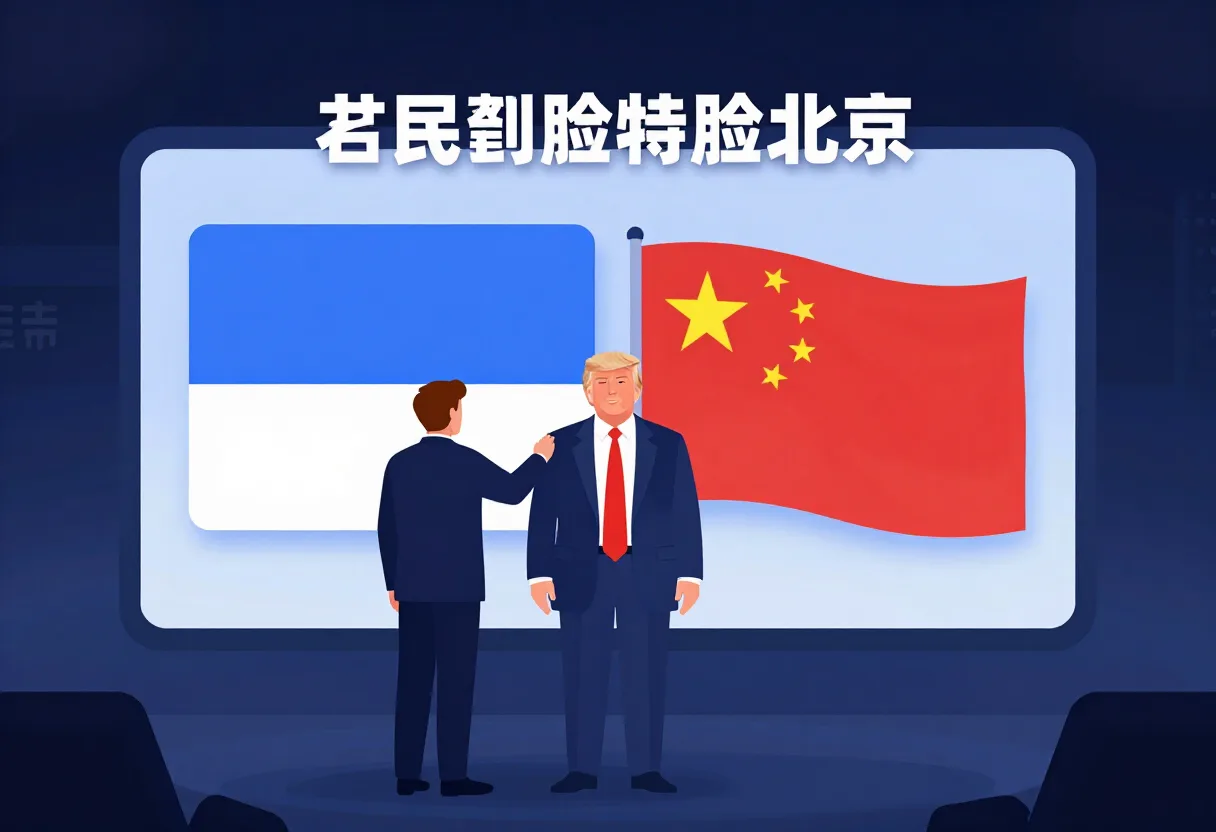
Trump and Xi are due to meet on the sidelines of APEC in Shenzhen on Nov. 18-19. Perdue’s comments came one week before that summit, while the licensing dispute remained unresolved in public. Wang Yi also called his call with Secretary of State Marco Rubio positive and constructive.
The summit supplies political timing, not an export-license mechanism. The October suspension covers a broader set of restrictions, while the April regime still governs access to seven elements. Diplomatic reassurance therefore does not establish a delivery date.
What did Perdue say about Nvidia?
Perdue was asked about Nvidia, whose CEO Jensen Huang faces scrutiny over his ties to a woman US officials suspect of links to Chinese intelligence. Perdue said: “The situation with Nvidia is another reminder that we have to stay diligent.” Beijing has called the espionage claims unsubstantiated.
The Nvidia allegations and the rare-earth licensing dispute remain separate issues in Perdue’s comments. His warning concerned government diligence, while the supply complaint concerns case-by-case approvals and delayed physical shipments. Neither statement establishes when affected material will reach U.S. buyers.
Does the summit explain the Taiwan delay?
Perdue also denied, according to SBS News, that the United States had delayed a $14 billion weapons sale to Taiwan because of the summit. The denial separates defense-procurement timing from the rare-earth supply complaint, although both sit inside the same strained bilateral relationship.
No shipment count, license backlog or approval rate appeared in Perdue’s account, leaving the shortage a qualitative report rather than a measured deficit. The trade truce has produced discussion, not dependable delivery. Before the pause expires Jan. 10, the test is whether exports move, whether the April regime loosens and whether yttrium’s outside-China price gap narrows.
Source: mlq.ai
More from Nathan Brooks
Show full bio
Senior reporter covering people, launches and day-to-day practice in Semiconductors, chip manufacturing, hardware, AI compute at Chip Dispatch.
882 articles
Related articles
china-extends-rare-earth-export-control-pause-through
China extends rare-earth export-control pause through Jan. 10, 2027
beijing-s-export-controls-mature-as-trump-pulls-back-china-tech-curbs-001e83ea
Beijing's Export Controls Mature as Trump Pulls Back China Tech Curbs
china-hits-us-firms-with-export-controls-before-xi-s-washington-visit-1d66d3cb
China Hits US Firms With Export Controls Before Xi's Washington Visit
china-moves-to-curb-tech-exports-including-ai-on-security-grounds-fd88f57d
China Moves to Curb Tech Exports, Including AI, on Security Grounds