Chosun Ilbo: US and Japanese Toolmakers Still Lean on Chinese Materials
Chosun Ilbo argues US and Japanese toolmakers still depend on Chinese raw materials, exposing a gap in export control logic that restricts equipment but not inputs.
- By
- Nathan Brooks
- Filed
- Channel
- Chips & Policy
- Read
- 3 min read
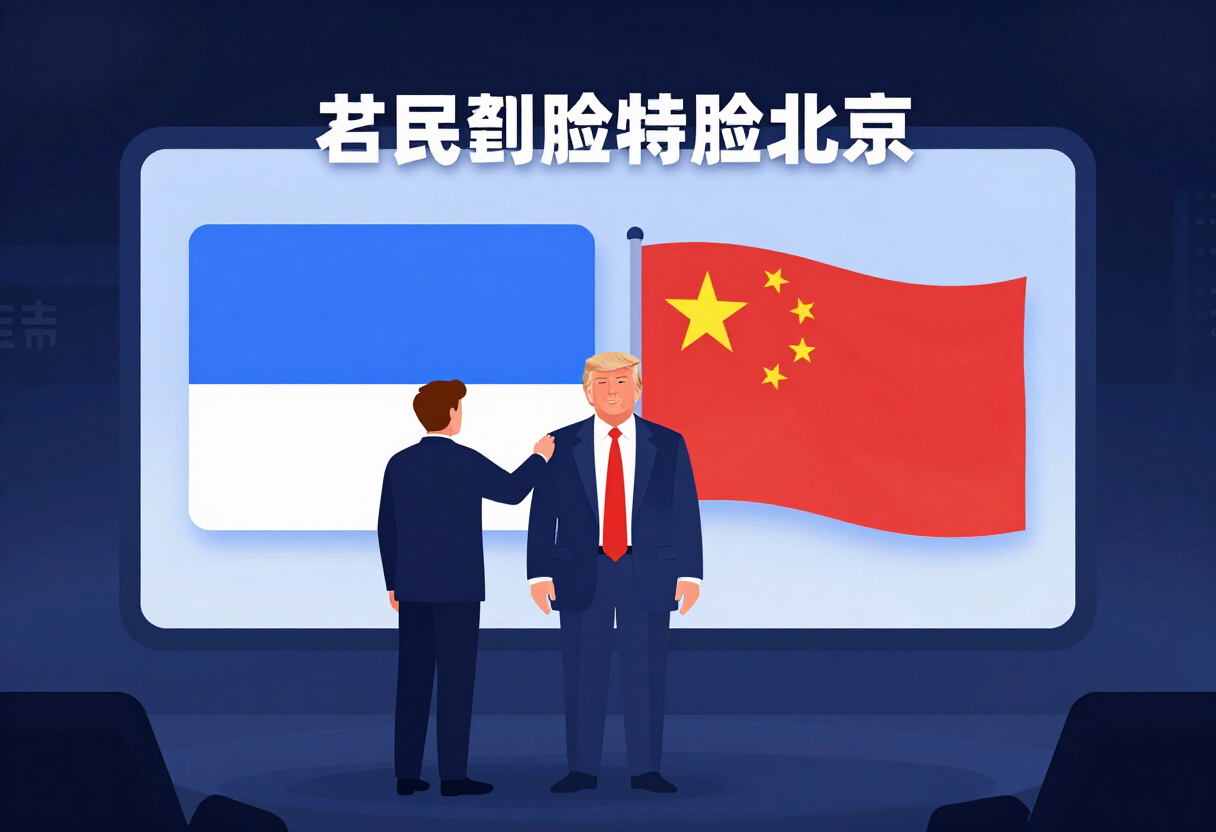
South Korea's Chosun Ilbo reports that leading American and Japanese semiconductor equipment makers remain dependent on Chinese raw materials, even as Washington and Tokyo restrict tool exports to China. The claim is blunt. The controls cut one direction, while the material supply chain quietly runs the other.
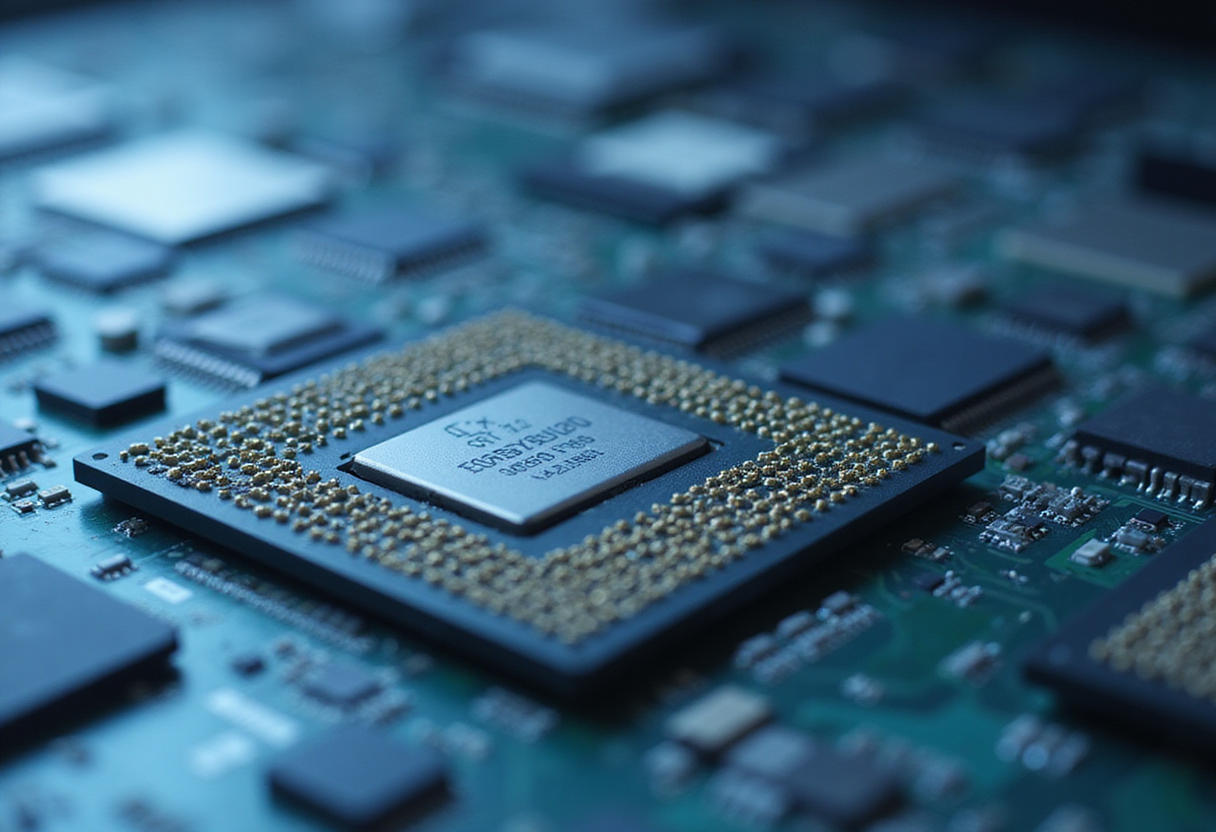
The report does not attach shipment volumes or revenue shares to its assertion, which is worth stating at the outset. It makes a structural argument rather than a quantitative one. That argument still lands, because it touches the least examined layer of the semiconductor trade war: not lithography machines or EDA licenses, but the ores, refined metals and process chemicals that feed tool manufacturing itself.
What does the report actually claim?
The Chosun Ilbo's core contention is that Washington and Tokyo have built their export control regimes around finished equipment, while the raw material inputs to that same equipment continue to originate in China. In other words, the chokepoints regulators mapped do not match the chokepoints that exist. Equipment gets the sanctions. Materials get a pass.
This is not a new pattern in trade policy, but it is an awkward one. A control regime that restricts the visible product while depending on the invisible input invites exactly the leverage it was designed to remove. Beijing has demonstrated its willingness to use material export permits as a policy instrument before, most visibly with gallium and germanium restrictions announced in 2023. Toolmakers sit downstream of that lever.
Why does the dependency persist?
Refined materials are difficult to substitute quickly. Mines can be reopened and Qualification cycles can be run, but both take years, and semiconductor-grade purity standards punish newcomers. A chemical that is 99.9 percent pure is a commodity; a chemical that is 99.9999 percent pure is a franchise. Equipment makers learned this the hard way during the gas and wafer shortages of recent years.
The report frames this as a quiet vulnerability for the US and Japanese industries. That framing has merit. Export controls have concentrated public attention on the tools China cannot buy, and comparatively little on the materials those toolmakers cannot easily source elsewhere. Asymmetries of attention tend to become asymmetries of risk.
Does this change the commercial picture?
For equipment makers, the exposure is real but managed. Chinese material suppliers compete on price and scale, and dual sourcing exists for many inputs, though the Chosun Ilbo suggests the depth of reliance is greater than commonly acknowledged. The report offers no company-level disclosure figures, and toolmakers rarely break out material origin in their filings. The opacity is itself part of the story.
For policymakers, the report is an uncomfortable prompt. A regime built on equipment controls assumes the equipment supply chain is secure at home. If a meaningful share of its material base sits inside the jurisdiction of the counterparty, that assumption needs auditing rather than repeating.
What comes next?
Expect pressure for supply chain mapping to extend below the component level, into materials. Whether that pressure produces diversification or merely paperwork depends on qualification timelines and pricing, both of which currently favor the incumbent Chinese suppliers. The dependency the Chosun Ilbo describes will not be legislated away, and every new control round gives Beijing another reason to test it.
Source: Google News: semiconductors
More from Nathan Brooks
Show full bio
Senior reporter covering people, launches and day-to-day practice in Semiconductors, chip manufacturing, hardware, AI compute at Chip Dispatch.
425 articles
Related articles
beijing-s-export-controls-mature-as-trump-pulls-back-china-tech-curbs-001e83ea
Beijing's Export Controls Mature as Trump Pulls Back China Tech Curbs
csis-allied-export-controls-accelerate-china-s-chip-localization-5b4caef6
CSIS: Allied Export Controls Accelerate China's Chip Localization
china-widens-travel-bans-to-cover-families-of-ai-chip-talent-a64946f9
China Widens Travel Bans to Cover Families of AI, Chip Talent
us-reportedly-weighs-sweeping-new-chip-export-controls-39b13a05
US Reportedly Weighs Sweeping New Chip Export Controls