Startups & FundingLOT 261122 · 3 min read
Commerce Sought 51% Control of Pure Lithium, Documents Show
Commerce Secretary Howard Lutnick demanded a 51% controlling stake in Pure Lithium in exchange for $1 billion in plant funding from Japan's investment pledge, documents seen by Reuters show.
Key takeaways
- Lutnick asked Pure Lithium for a 51% controlling stake at a July 29 meeting in Washington.
- The offer tied $1 billion from Japan's $550 billion pledge to a plant Pure Lithium would run but not own.
- Skadden Arps wrote on Aug. 22 that '51% is far outside precedent and invites scrutiny'; Commerce rejected a 9.9% counterproposal.
- The administration's largest equity stake to date is 15% of MP Materials.
- Pure Lithium's patent lawsuit against Panasonic faces a preliminary injunction hearing in January.
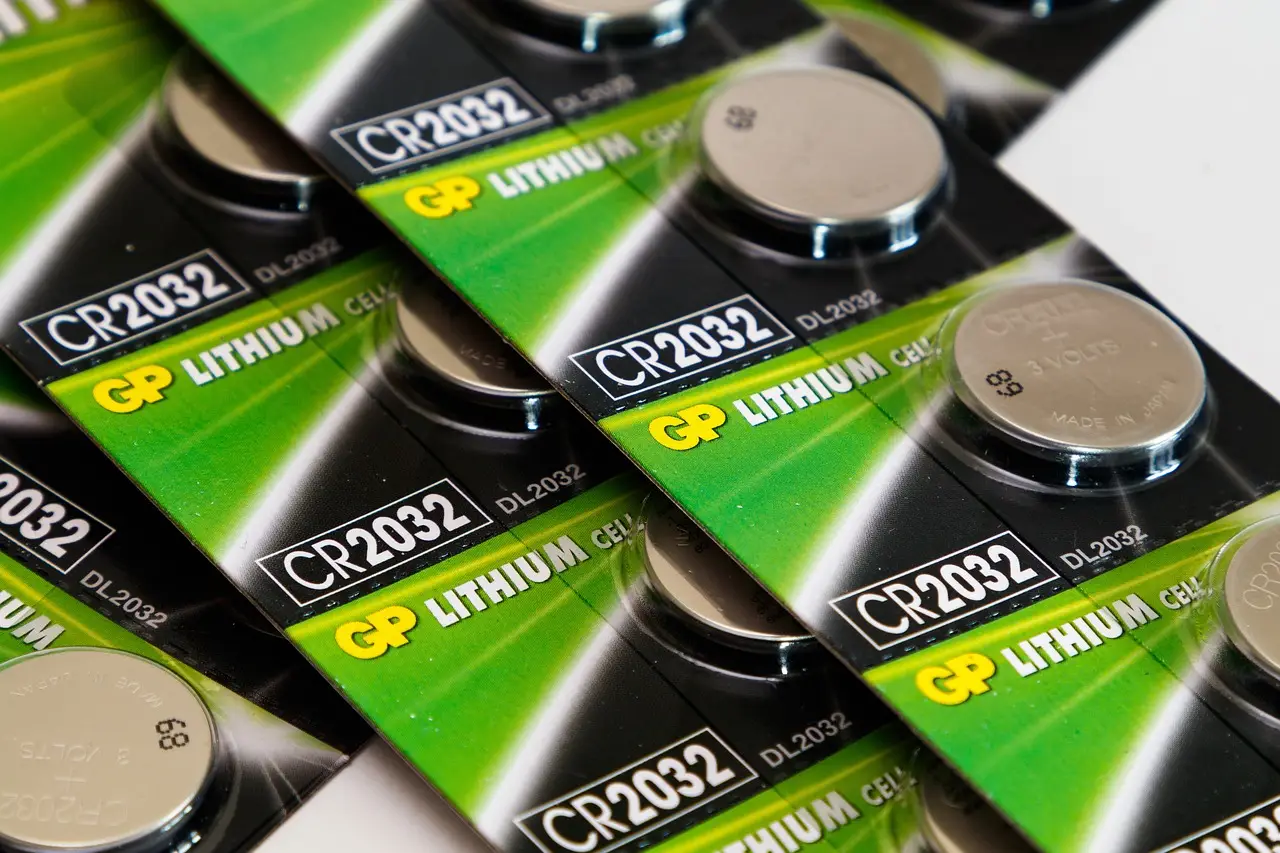
Commerce Secretary Howard Lutnick asked battery startup Pure Lithium to hand the US government a 51% controlling stake, Reuters reported on Friday, citing emails, an Aug. 22 memo from the company's lawyers at Skadden Arps and a person with direct knowledge of the request. The demand would have given Washington its first majority ownership of a private company and came with $1 billion in conditional funding.
The money was not for Pure Lithium itself. Lutnick proposed carving $1 billion from Japan's $550 billion investment pledge to build a plant owned by a special-purpose vehicle controlled by Tokyo and Washington, according to the documents. Pure Lithium would operate the plant under contract, receive a share of revenue after debt service on the $1 billion, and take no direct funding.
What happened at the July 29 meeting
The request came at a roughly 45-minute meeting in Washington on July 29 between Lutnick and Pure Lithium chief executive Emilie Bodoin. The source said Lutnick told her the government needed to control the company so the military and other agencies could use the battery. He also asked the company to send 100 batteries to the Energy and Defense departments for testing.
Billionaire Robert Friedland, one of Pure Lithium's largest shareholders, arranged the meeting. I-Pulse, a company Friedland co-founded, received $250 million from Commerce in June.
The meeting was also set to discuss Pure Lithium's lawsuit against Panasonic, filed in March. The suit accuses the Japanese company of reverse-engineering its battery. Panasonic disputes the claim. A hearing on a preliminary injunction is scheduled for January. The source said Lutnick suggested a government takeover could help with that dispute.
Why the company refused
Pure Lithium rejected the proposal. Its lawyers at Skadden Arps wrote that the demand carried serious legal and financial risk.
"51% is far outside precedent and invites scrutiny," Skadden wrote in the memo, warning the arrangement could "cripple Pure Lithium's ability to raise capital or pursue an IPO."
Commerce turned down a 9.9% counterproposal in August. The memo said the department "remains fixed on 51% equity" and "is prepared to move on to other projects" otherwise. A company representative did not dispute Reuters' account. The Commerce Department did not respond to questions.
How this fits the administration's equity streak
The Trump administration has taken equity stakes in Intel, USA Rare Earth and Korea Zinc. Its largest position so far is 15% of rare earths producer MP Materials. No majority stake has been taken in any company to date.
Many of the deals draw on 2022 CHIPS Act money. Opponents argue the law never authorized government ownership, and no court has ruled on the question.
Reuters said it found no evidence Lutnick holds a stake in Pure Lithium or I-Pulse. A Commerce spokesperson said she did not believe he was invested in either. Lutnick is already under congressional scrutiny over chip export decisions and records tied to Cantor Fitzgerald.
The impasse leaves Pure Lithium without federal funding and tests whether the administration's equity-first industrial policy can work on private startups that can walk away. With Commerce signaling it will "move on to other projects," the next test of the 51% precedent is likely to come with another company.
mlq.ai (Source)
More from Grace Kim
Show full bio
Market editor covering people, launches and day-to-day practice in Semiconductors, chip manufacturing, hardware, AI compute at Chip Dispatch.
1,213 articles