CoreWeave and Super Micro Post Record AI Quarters, Then Huang Resigns
Super Micro grew revenue 298% to $19.9B and CoreWeave 168% to $3.66B, yet both stocks fell after Jensen Huang resigned as Nvidia CEO and a DOJ probe emerged.
- By
- Tom Whitfield
- Filed
- Channel
- AI & Compute
- Read
- 3 min read
Super Micro reported fiscal Q1 revenue of $19.9 billion, up 298% year on year, and CoreWeave posted Q3 revenue of $3.66 billion, up 168.3% — and both stocks still fell after Jensen Huang resigned immediately as Nvidia's CEO. A Justice Department probe reported by Bloomberg, examining whether Alice Huang helped smuggle Nvidia-powered servers through Super Micro, places one of the two companies in direct legal focus. On Thursday, Super Micro dropped 11.3% to $26.99 while CoreWeave slipped 6.86% to $56.60.
What did the two companies actually report?
CoreWeave rents out Nvidia-powered compute under multi-year cloud contracts, and demand still runs ahead of supply. Its adjusted operating margin reached 10%, a quarter ahead of plan, meaning the business has started to turn a profit at the operating line. Pricing on older Ampere and Hopper GPUs rose between 30% and 50% from the prior quarter, which shows customers still pay up for any GPU they can get.
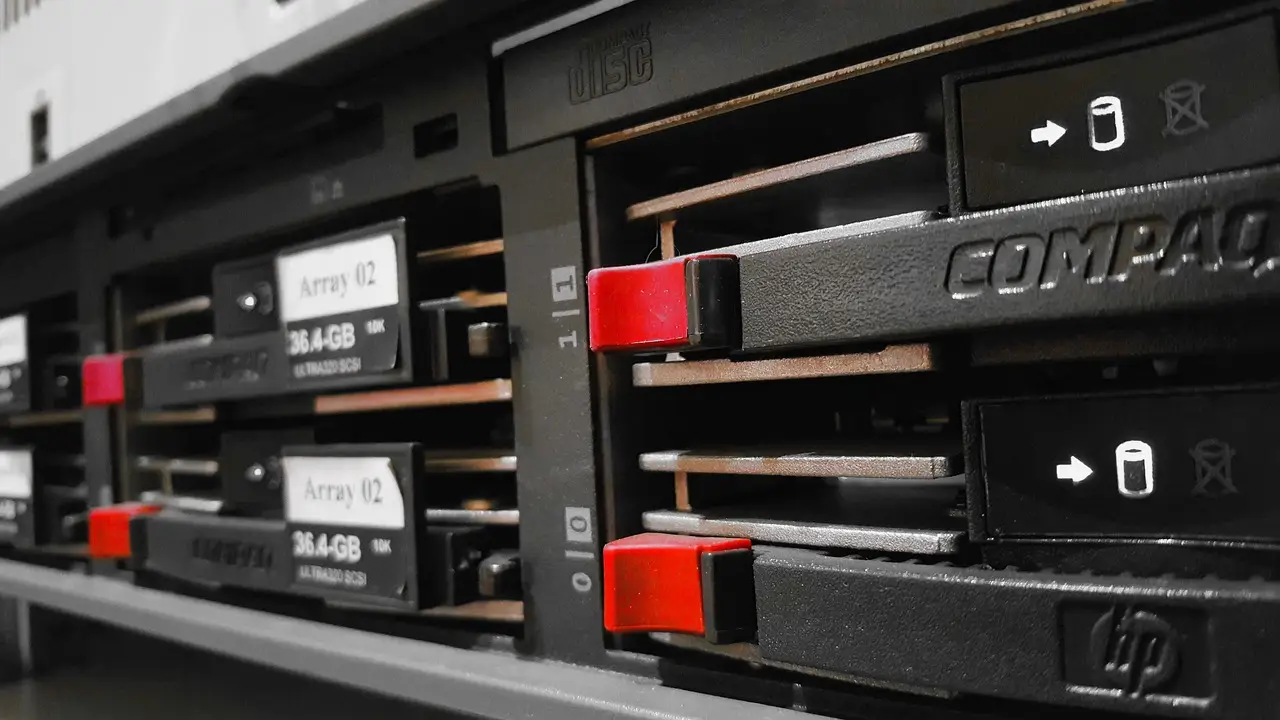
Super Micro sells the server racks themselves. AI products made up 71% of its sales, and CEO Charles Liang called its Data Center Building Block Solutions "central to this growth." Gross margin slipped to 12.8% from 17.6% as large hyperscale deliveries reduced the mix. One customer supplied 44% of revenue, a concentration risk the source itself flags.
The headline numbers are real, but the two companies earn them in different ways and carry different weights.
How exposed is each company to Nvidia's turmoil?
CoreWeave's exposure runs through its ties to Nvidia. Nvidia invested $2 billion in CoreWeave's Class A equity, and CoreWeave was the first cloud operator to put Vera Rubin into production. After Huang resigned, the stock reportedly fell 14% — one day after CEO Michael Intrator said he saw "no reason" for the partnership to change. Nobody has yet tested that promise under new Nvidia leadership.
Super Micro's problem is legal rather than contractual. Bloomberg reported that US officials are examining whether Alice Huang helped smuggle Nvidia-powered servers through the company. Officials say there is no indication at this stage that Nvidia or Huang will face criminal charges. The probe adds to an existing board review of export-control transactions.
The balance sheets tell a contrasting story:
- CoreWeave: debt-to-equity of 8.94 and quarterly interest expense of $846 million; roughly $132.5 billion in contracted backlog.
- Super Micro: debt-to-equity of 0.60; fiscal 2027 guidance raised to between $72 billion and $82 billion.
What sets the next move for each stock?
For CoreWeave, the metric to watch is cash. The company expects roughly $9 billion in customer prepayments over the next three months. Its Q4 interest expense guidance of $1.05 billion to $1.15 billion leaves little room for delay if those prepayments fall short.
For Super Micro, the question is whether the DOJ probe names any customers. Its Q2 revenue guidance of $19.5 billion to $21.5 billion assumes deliveries go smoothly, and a customer disclosure could disrupt that arithmetic quickly.
Which company takes the deeper hit?
The source argues Super Micro faces the heavier near-term burden. CoreWeave already carried heavy debt and already depended on investor sentiment toward Nvidia before Huang left, so those risks were priced in. Its management claims ten times more qualified demand than capacity through 2027, which gives investors something concrete to hold.
Super Micro's lower debt load stands out as a strength, but questions from regulators about where its racks ended up could weigh on the stock quickly. On signed demand, CoreWeave carries the cleaner story today — with the explicit caveat that a shortfall in prepayments would change that view.
Source: 247wallst.com
More from Tom Whitfield
Show full bio
Staff writer covering companies, deals and strategy in Semiconductors, chip manufacturing, hardware, AI compute at Chip Dispatch.
954 articles
Related articles
coreweave-lifts-revenue-outlook-to-13-3b-pulling-nvidia-up-3-8
CoreWeave Lifts 2026 Revenue Outlook to $13.3B, Pulling Nvidia Up 3.8%
nvidia-posts-59-69b-quarter-puts-6-3b-into-coreweave-deed950e
NVIDIA Posts $59.69B Quarter, Puts $6.3B Into CoreWeave
coreweave-s-132-5-billion-backlog-meets-an-nvidia-question
CoreWeave's $132.5 Billion Backlog Meets an Nvidia Question
coreweave-raises-gpu-prices-25-as-shortages-lift-vintage-chips
CoreWeave Raises GPU Prices 25% as Shortages Lift Vintage Chips