Developer Pays $67 Million for North Phoenix Auto Mall Near TSMC
A developer paid $67 million for a north Phoenix auto mall near TSMC's Arizona fab campus, betting fab-driven growth will lift commercial land values across the corridor.
- By
- Nathan Brooks
- Filed
- Channel
- Chip Manufacturing
- Read
- 2 min read
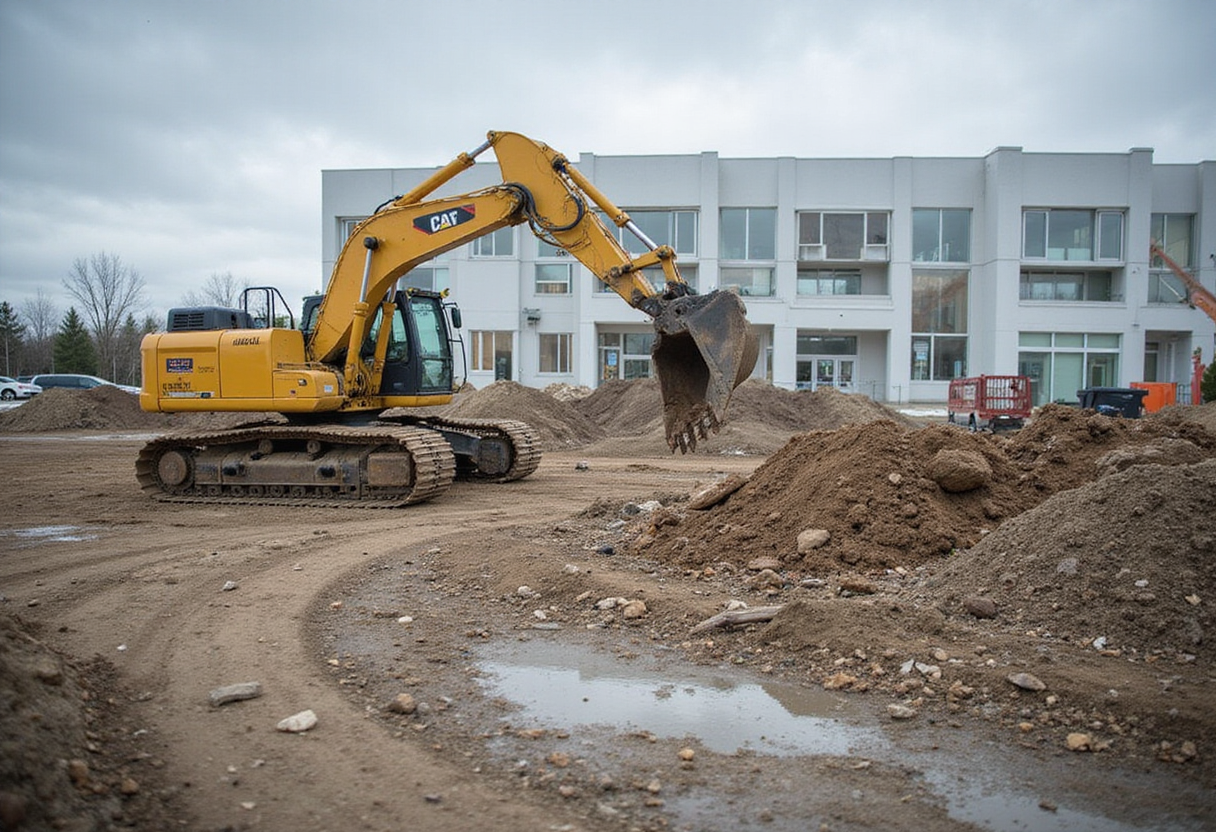
A developer has paid $67 million for an auto mall in north Phoenix, buying commercial real estate directly in the orbit of TSMC's Arizona fab campus, according to azcentral.com and The Arizona Republic.
The $67 million transaction covers an existing automotive retail cluster in the north Phoenix corridor, an area that has drawn intensifying real estate interest since TSMC began building advanced semiconductor manufacturing capacity in the region. The buyer is betting that land near the fab complex will keep appreciating as suppliers, contractors and workers cluster around the plant.
The purchase highlights a second-order effect of the U.S. chip manufacturing build-out: the commercial property market around fab sites. When a semiconductor manufacturer commits tens of billions of dollars to a location, the surrounding land does not stay cheap for long.
Why does a fab change local land values?
Semiconductor fabs concentrate high-paying engineering and technician jobs in a relatively small geographic area. Each direct fab job typically supports additional employment in construction, logistics, equipment services and retail.
That multiplier effect reshapes demand for:
- Housing near the fab corridor
- Retail and service commercial space
- Industrial and warehouse space for suppliers
- Land banks held by investors anticipating further expansion
The north Phoenix auto mall sits in this corridor. A $67 million commitment for an existing retail property signals the buyer's view that the area's commercial rents and land values will rise as the TSMC-anchored ecosystem matures.
What has TSMC's Arizona presence done to the area?
TSMC's arrival transformed the northwest Phoenix metropolitan area from a largely residential and retail district into one of the most watched semiconductor manufacturing locations in the United States. Construction activity, supplier relocations and an influx of workers have already lifted demand for housing and services in surrounding communities.
Real estate observers have tracked rising land values and new commercial development along the corridors connecting the fab site to the wider metro area. An auto mall — a large-format retail format that depends on heavy consumer traffic — becomes a different asset when surrounded by a growing industrial and employment base.
Who benefits from deals like this?
The seller of the auto mall secures an exit at a price that reflects the fab-driven land thesis rather than traditional auto-retail economics. The buyer gains a large, well-located commercial parcel with potential for repositioning as the neighborhood's character changes.
Local governments also watch these transactions closely. Higher property values translate into larger tax receipts, which help fund the infrastructure — roads, water, power — that fab regions need as they grow.
For the semiconductor industry, the deal is a small but concrete indicator that the capital flowing into U.S. chip manufacturing is spreading beyond the fab walls themselves. Investors are now pricing fab proximity into commercial land across the Phoenix area, a trend that should deepen as TSMC's Arizona operations scale toward full production.
Source: Google News: TSMC
More from Nathan Brooks
Show full bio
Senior reporter covering industry trends and analytics at Chip Dispatch.
258 articles
Related articles
taylor-morrison-buys-406-lots-adjacent-to-tsmc-s-265b-phoenix-hub-ea64eb44
Taylor Morrison Buys 406 Lots Adjacent to TSMC's $265B Phoenix Hub
da-li-development-pays-nearly-nt-600-million-for-phoenix-office-property-48a9ec3e
Da-Li Development Pays Nearly NT$600 Million for Phoenix Office Property
tsmc-evaluates-potential-texas-investment-sources-say-8df51fa6
TSMC Evaluates Potential Texas Investment, Sources Say
tsmc-reportedly-eyes-texas-for-second-us-chipmaking-hub-3fe727e1
TSMC Reportedly Eyes Texas for Second US Chipmaking Hub