DRDO Showcases GaN Radar Chips and Missile Seekers Built in India
DRDO displayed GaAs and GaN MMICs and three-band infrared seeker arrays at ESTIC 2026, hardware already flying in Indian radars and missiles.
- By
- Grace Kim
- Filed
- Channel
- Semiconductors
- Read
- 4 min read
The chips that guide Indian missiles to their targets are now designed and built in India. At the Emerging Science, Technology and Innovation Conclave (ESTIC) 2026 in New Delhi, the Defence Research and Development Organisation (DRDO) presented compound-semiconductor circuits and infrared sensor arrays that already serve in strategic missions.
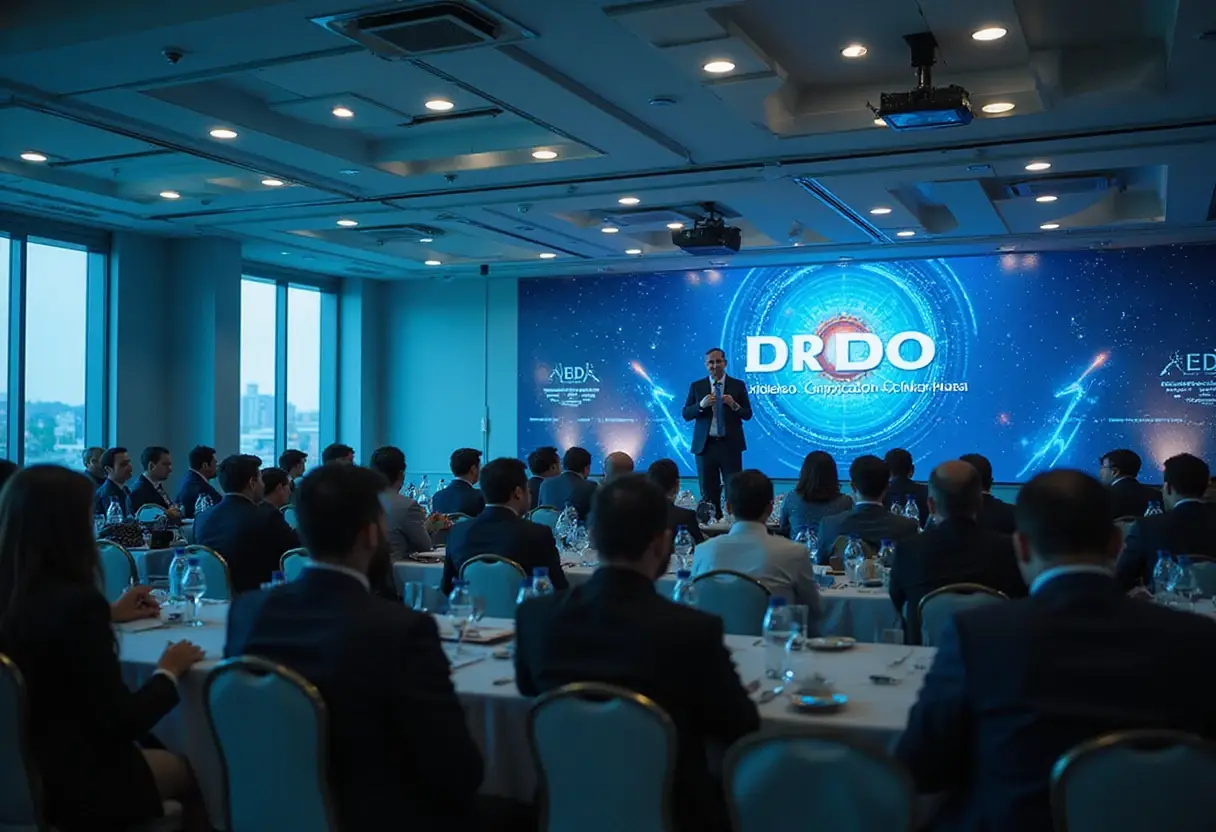
The conclave ran from 27 to 29 October at Bharat Mandapam. Prime Minister Narendra Modi inaugurated it. Twelve ministries and departments organised the event under the guidance of the Principal Scientific Adviser. The theme was "Creative Minds, Catalysing Science, Empowering Society".
What did DRDO put on display?
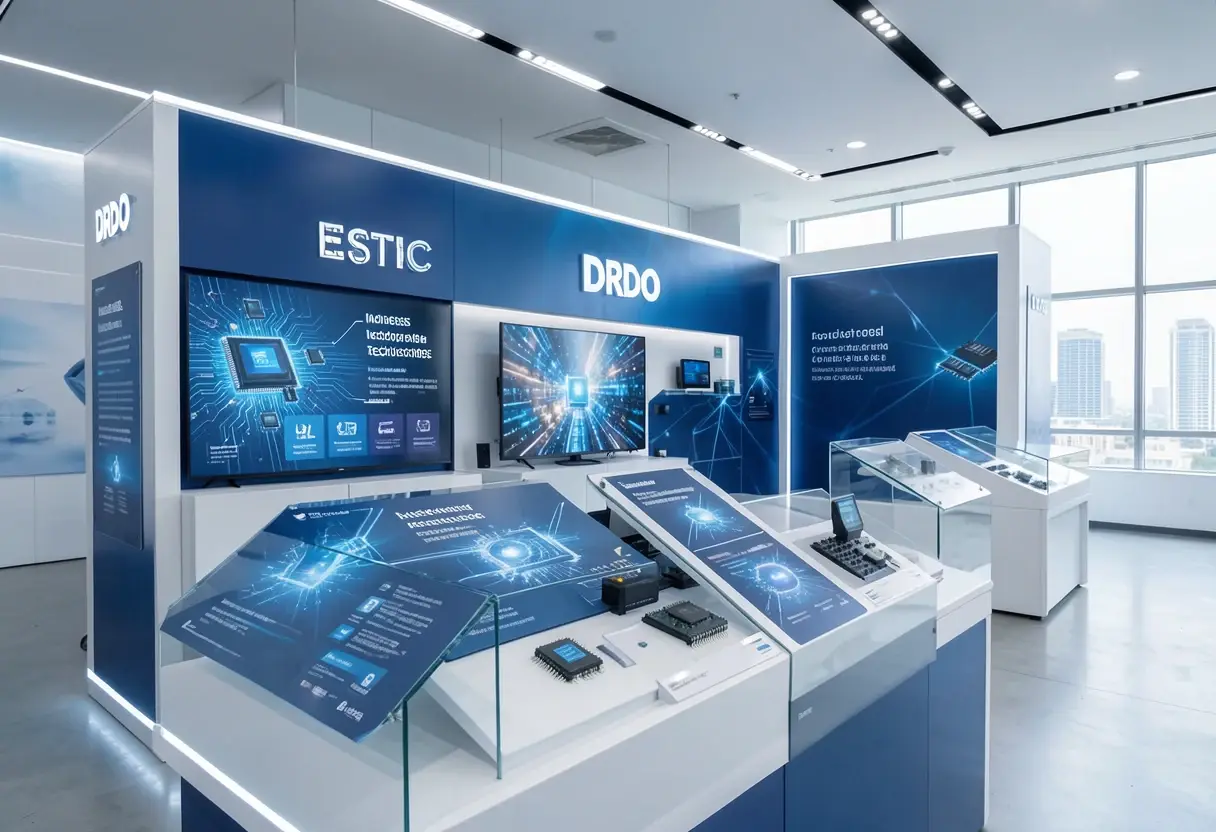
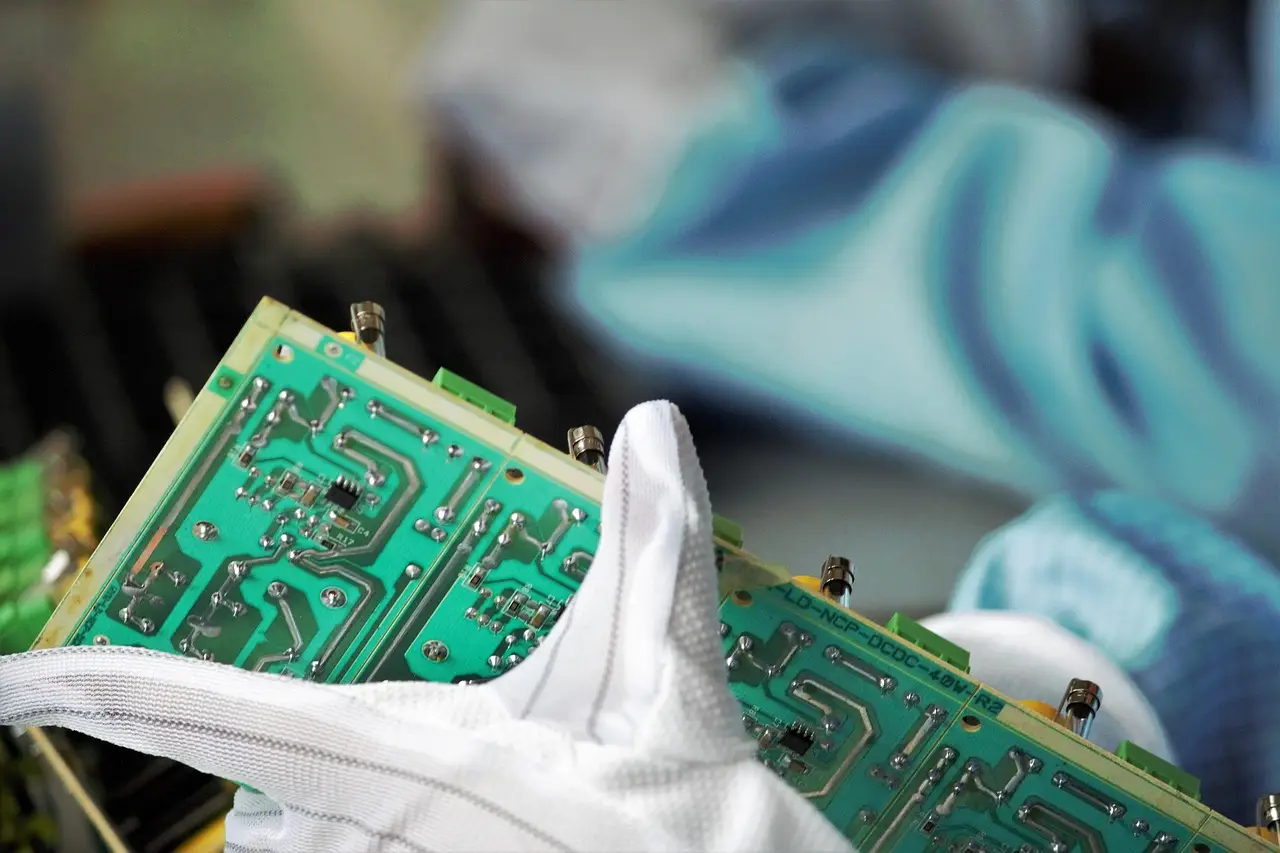
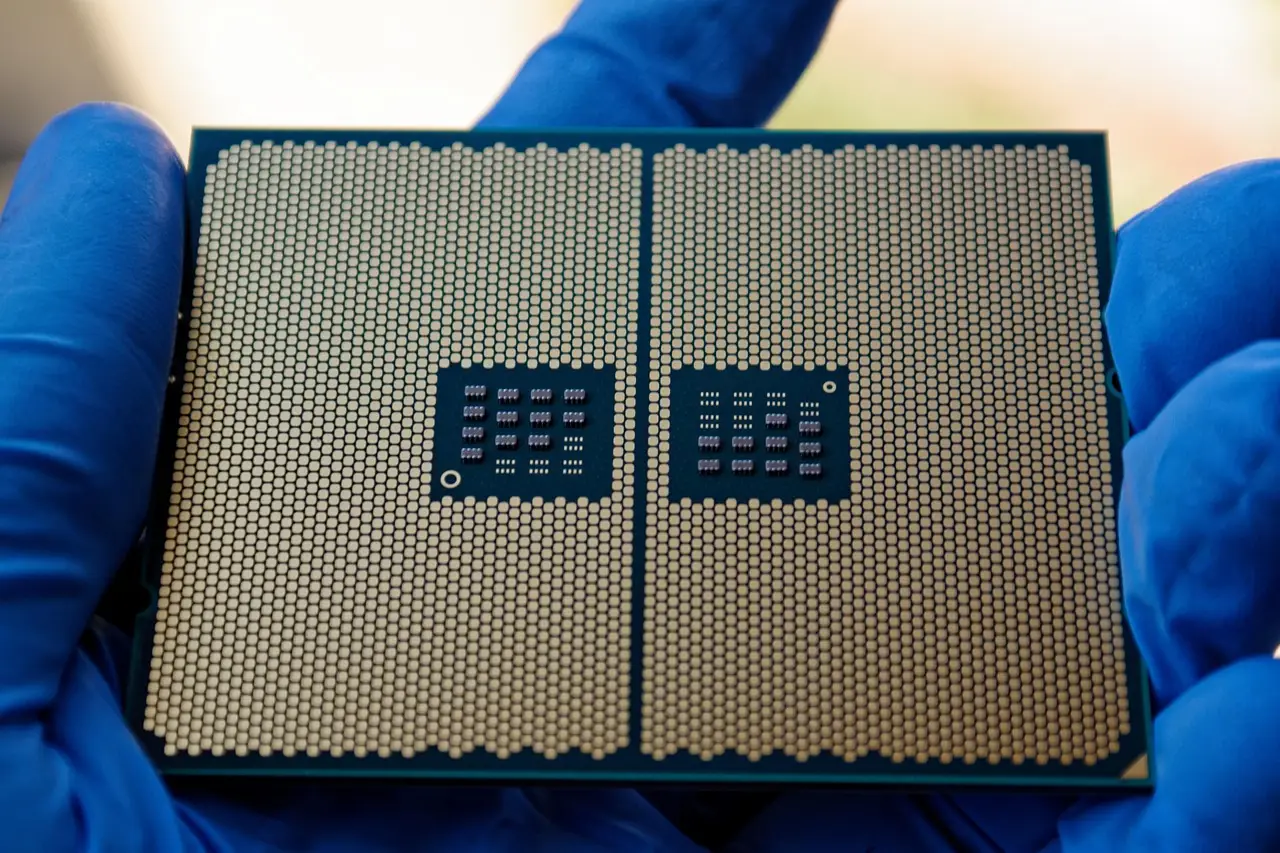
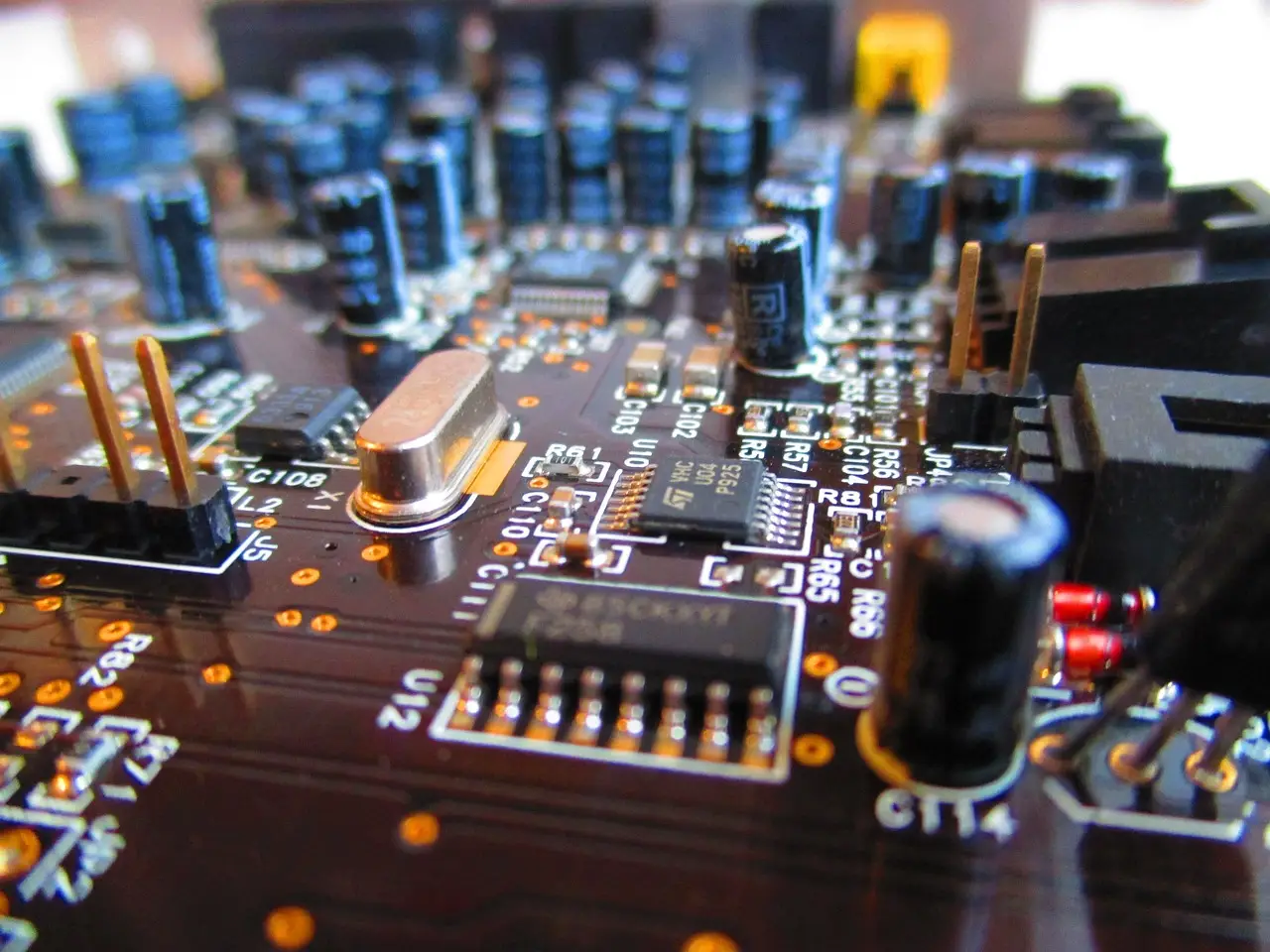
The centrepiece came from the Solid State Physics Laboratory (SSPL) in Delhi. SSPL showed Monolithic Microwave Integrated Circuits (MMICs) fabricated from Gallium Arsenide (GaAs) and Gallium Nitride (GaN), together with Multi-Chip Modules (MCMs). These modules pack several chips into one unit. They save space and weight on aircraft and missiles.
SSPL also showed Infrared Focal Plane Arrays (IRFPAs) across three bands: Short-Wave, Mid-Wave and Long-Wave Infrared. Each band suits a different mission, from seeing through haze to detecting cooler objects at long range. IRFPAs sit inside Imaging Infrared seekers, which read a target's heat signature during the final seconds before impact. DRDO's Nag anti-tank guided missile uses such a seeker.
GaN has become central to the exhibit. It handles far higher power than older materials while running cooler. Radars built on it see farther and resist jamming better. DRDO's Virupaksha radar for the Su-30MKI fleet, first powered on in February 2026, uses GaN technology.
Mastery of all three infrared bands matters commercially as well as technically. Export regimes tightly control infrared detectors, and few countries produce them domestically. An indigenous source removes a major point of dependence.
Who chaired the semiconductor session?
Dr BK Das, Distinguished Scientist and Director General of Electronics and Communication Systems, chaired the session on "Semiconductors & Next-Generation Chips". He gathered leaders from industry, academia, defence electronics and the domestic chip-development ecosystem. Dr Sheena Rani, Director General for Micro Electronic Devices, Computational Systems and Cyber Systems, joined the panel he moderated.
The discussion covered four themes:
- Emerging semiconductor technologies
- Purpose-built Artificial Intelligence System-on-Chips
- Intelligence at the silicon edge, where devices process data locally
- The changing global microprocessor landscape
The session also framed DRDO's growing role as an enabler. The organisation helps industries and start-ups build solutions, speeds up next-generation chip design and strengthens core technologies at home.
What else appeared at the showcase?
The DRDO Outreach Stall displayed work from laboratories nationwide. Exhibits included advanced communication systems, quantum technology prototypes, extreme-cold-weather clothing and PRABALA, a full-body protector for women personnel.
The thematic and departmental exhibitions added further silicon:
- Neuromorphic accelerators that mimic human brain processing
- Quantum Random Number Generators for secure encryption
- Photonic Integrated Circuits, which use light instead of electricity
- Laser proximity sensors and high-power pulse laser diodes
Passive and powered exoskeletons, portable hybrid energy management systems and scramjet engine technology completed the display.
How does this fit India's chip build-out?
DRDO's work sits inside a larger national programme. The India Semiconductor Mission, launched in 2021 with an outlay of Rs 76,000 crore, had approved 12 manufacturing projects by July 2026. Their cumulative investment exceeds Rs 1.64 lakh crore. Three units, run by Micron, CG Semi and Kaynes, have begun commercial production.
On 15 July 2026, the Union Cabinet approved Semicon India Programme 2.0 with an outlay of Rs 1,27,500 crore. The programme covers six pillars: design, machines and materials, fabrication, packaging, research and talent. It also pushes research beyond the mature 28nm to 110nm nodes.
Strategic laboratories complement this commercial drive. SSPL, the Gallium Arsenide Enabling Technology Centre (GAETEC), the Semiconductor Technology and Applied Research Centre (STARC) and the Semiconductor Laboratory (SCL) hold competencies in GaAs, GaN, MEMS and mature silicon processes. They serve the high-value defence and space applications where import dependence hurts most.
India aims to become a globally competitive, self-reliant semiconductor powerhouse by 2047, tied to the Viksit Bharat and Aatmanirbhar Bharat goals. Industry will make chips at scale for the mass market while DRDO's labs build the specialised devices defence cannot afford to import. In the most sensitive domains, that capability is already in service.
Source: Google News: AI chips
More from Grace Kim
Show full bio
Market editor covering people, launches and day-to-day practice in Semiconductors, chip manufacturing, hardware, AI compute at Chip Dispatch.
706 articles
Related articles
drdo-to-showcase-indigenous-semiconductor-technologies-at-estic-b9b7879f
DRDO to Showcase Indigenous Semiconductor Technologies at ESTIC-2026
drdo-to-convene-conclave-on-indigenous-semiconductor-technologies-5dbc3be0
DRDO to Convene Conclave on Indigenous Semiconductor Technologies
indias-20-billion-chip-push-runs-into-the-fab-gap
India’s $20 Billion Chip Push Runs Into the Fab Gap
sitharaman-names-ai-semiconductors-quantum-as-india-s-next-frontier-df89bb5a
Sitharaman Names AI, Semiconductors, Quantum as India's Next Frontier