Envision builds 120 MW toward 800 MW Galaxy AI data center
Envision has built 120 MW of Galaxy in Ulanqab and targets 800 MW by end-2027, using dedicated wind, four-hour batteries and 800V DC, according to SemiAnalysis.
- By
- Sophie Lindqvist
- Filed
- Channel
- AI & Compute
- Read
- 4 min read
By Sophie Lindqvist
Envision has built the first 120 MW of its Galaxy AI data center campus in Ulanqab, Inner Mongolia, in less than a year, according to SemiAnalysis. The campus plan calls for up to 800 MW of IT capacity by the end of 2027. That planned load approaches about 820 MW of critical IT capacity at Stargate’s Abilene, Texas, campus.
The same report estimates Envision delivered that capacity at one-fifth the cost of comparable U.S. projects. The report provides no itemized budget, financing terms or defined set of American comparators. Galaxy has four phases for two unnamed internet customers, so utilization and contract terms remain unavailable.
What does the 800 MW target actually include?
Completed construction and a future roadmap should not be treated as equivalent. The 120 MW first section exists; the 800 MW figure depends on later phases, a larger 800V deployment and timely construction. SemiAnalysis described much of the site as a busy construction zone.
The cost comparison remains SemiAnalysis’s estimate, not a disclosed contract price. It may indicate a structural advantage from dedicated power and simpler infrastructure, but the report offers no measured unit-cost breakdown against Stargate.
Can wind and batteries carry the load?
Envision is not waiting for the local grid to supply every unit. It is building dedicated wind farms, battery storage and power infrastructure beside the servers, while U.S. developers have used on-site gas turbines to bypass grid constraints. SemiAnalysis also cited turbine shortages with delivery estimates reaching 2030 and SpaceX’s plan to manufacture blades for gas-powered AI facilities.
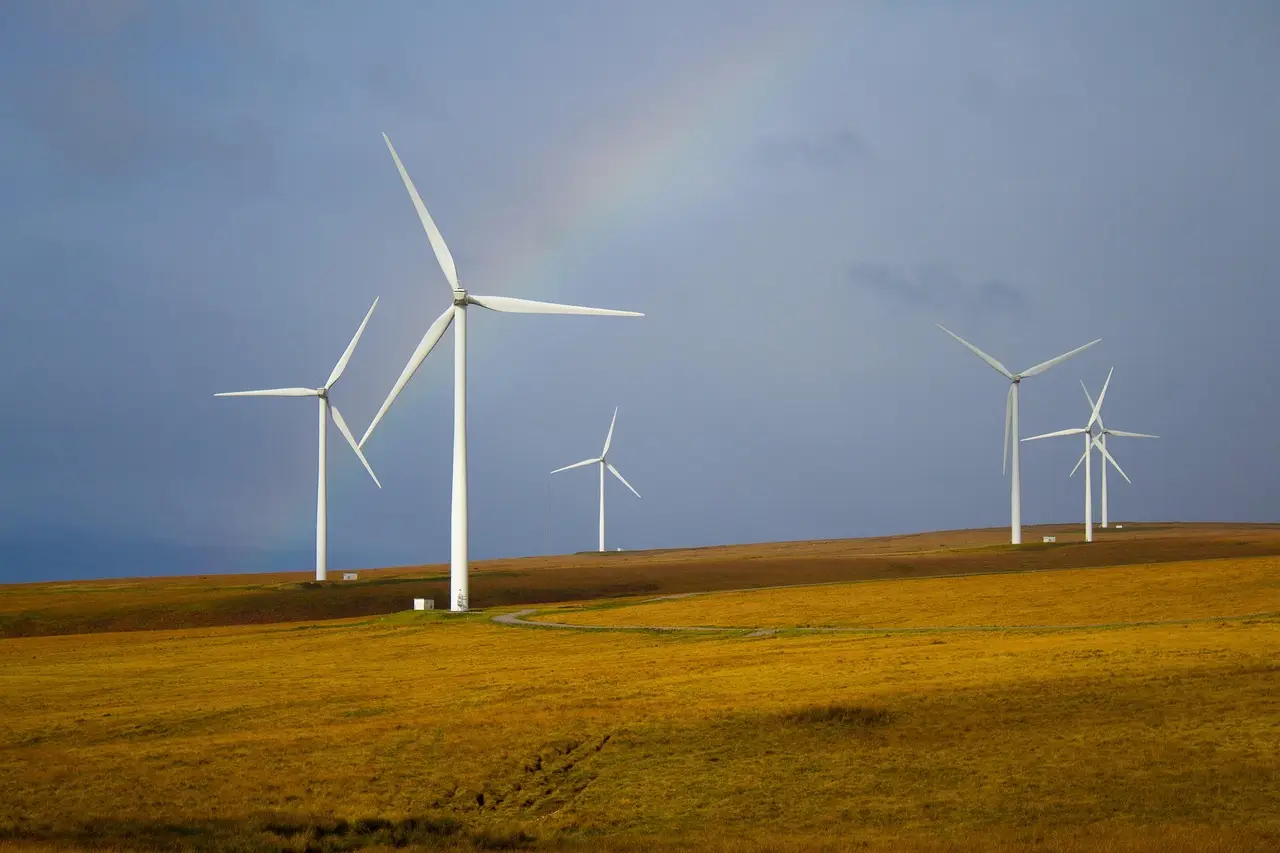
The wind farms sit about 80 kilometers apart and have a combined capacity of 420 MW. That exceeds the 240 MW load expected from the first two phases. Envision wants wind to provide more than 60% of those phases’ electricity and is adding four-hour battery storage for lulls.
The report places Ulanqab’s wind capacity factor at roughly 35% to 40%, so installed turbine capacity will not equal continuous output. It also says Envision installed “more than 100GW of wind turbines.” That unit conflicts with the stated 420 MW farm total and requires clarification.
What changes inside the server halls?
SemiAnalysis inspected a live 5 MW hall using solid-state transformers. The researchers wrote: “In one 5MW hall, we saw the 800V system at work.” They added: “Solid-state transformers (SSTs) take 10kV AC from the grid and convert it straight to 800V DC for the racks.”
Conventional distribution adds low-voltage transformers, uninterruptible power supplies and rectifiers between grid input and racks. Galaxy omits those intermediate components in this design.
Fewer stages can lower equipment needs and conversion losses, but SemiAnalysis reported no measured efficiency gain for the pilot. Envision plans a larger rollout in subsequent construction phases, aligning with Nvidia’s push toward 800V DC distribution for denser AI systems.
Does the cooling design remove another constraint?
Galaxy routes both liquid-cooled and air-cooled servers through one water loop and avoids conventional central chiller plants. The arrangement can simplify infrastructure, but performance depends on local climate and the facility’s capacity to reject heat through the loop.
China has also tested other unconventional cooling approaches. A wind-powered underwater data center off Shanghai uses surrounding seawater to cool servers. That earlier test does not establish Galaxy’s operating cost or reliability at campus scale.
Is 3 GW more than a power project?
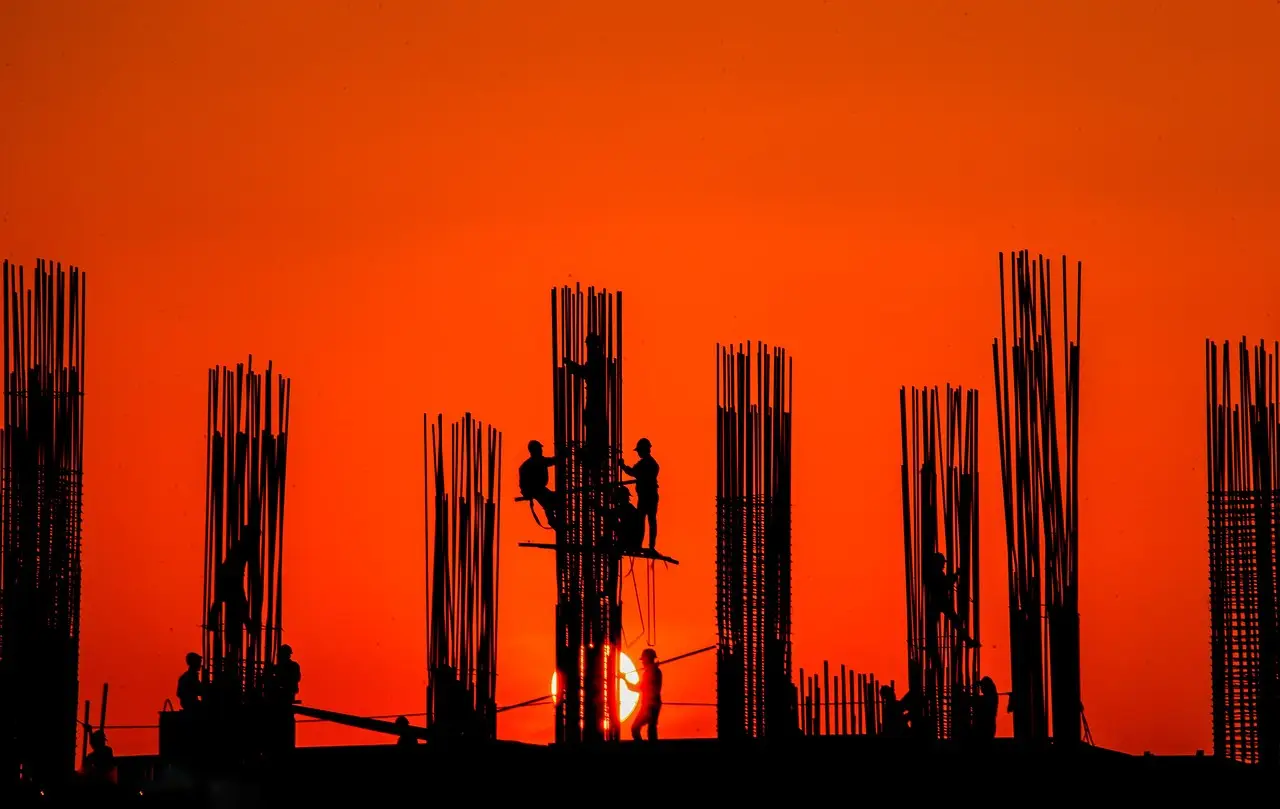
Galaxy is the first major project within Envision’s wider Inner Mongolia data-center plan of 3 GW. The rest of the site remains under construction. Around it, the Chahar High-tech Zone has nearly 30,000 construction workers across 22 data-center projects, according to a local report cited by SemiAnalysis.
Alibaba, Huawei and ByteDance are also expanding infrastructure in the region, which offers relatively cheap electricity, available land and abundant wind resources. Those advantages do not automatically create AI computing capacity. U.S. export restrictions still limit China’s access to Nvidia’s most powerful accelerators.
The decisive test arrives by the end of 2027: Envision must complete construction, prove the 800V and shared-water systems at scale, and show whether the reported one-fifth cost advantage survives power and cooling requirements.
Source: Tom's Hardware
More from Sophie Lindqvist
Show full bio
News editor covering money, funding and market shifts around Semiconductors, chip manufacturing, hardware, AI compute at Chip Dispatch.
799 articles
Related articles
samsung-builds-out-ai-ecosystem-beyond-chips-f8065829
Samsung Builds Out 'AI Ecosystem' Beyond Chips
spacexs-10-gw-data-center-build-faces-a-power-test
SpaceX’s 10-GW data-center build faces a power test
samsung-commits-4b-class-vietnam-test-fab-for-dram-and-nand-6fc54876
Samsung Commits $4B-Class Vietnam Test Fab for DRAM and NAND
30-data-center-capacity-puts-nvidias-growth-at-risk
30% of 2028 Data-Center Capacity Puts NVIDIA’s Growth at Risk