Tech Business · 3 min read
FAA Opens Probe After Amazon MK30 Drone Clips Cable, Crashes in Michigan
FAA and possibly NTSB are examining the November 20 crash of an Amazon MK30 drone that clipped a fiber-optic cable, lost a propeller, and tangled in power lines in Huntington Woods, Michigan.
Key takeaways
- FAA posted its preliminary incident notification on November 23 for a November 20 crash in Huntington Woods, Michigan.
- The Amazon MK30 drone struck a fiber cable, a garage, and power lines; the FAA notification says it occurred during takeoff.
- MK30 drones deliver packages up to 5 pounds with onboard sense-and-avoid technology that failed to detect the cable.
- The NTSB is gathering information but has not decided whether to open its own probe, according to CNBC.
- The delivery was promised within seven minutes of the order, WXYZ 7 News Detroit reported.
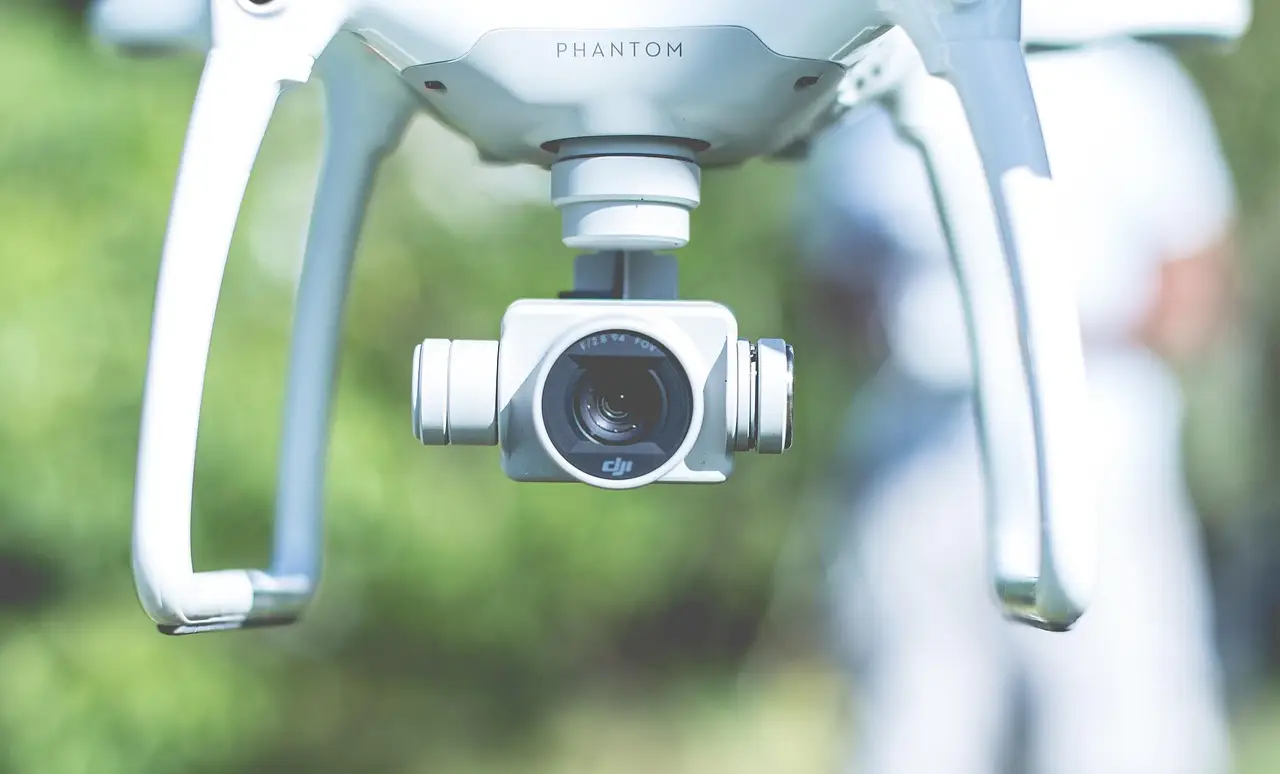
The US Federal Aviation Administration has opened an investigation after an Amazon delivery drone clipped a fiber-optic cable, shed a propeller, and became entangled in power lines next to a garage roof in Huntington Woods, Michigan, on November 20. The FAA posted its preliminary accident and incident notification on November 23, describing the event tersely: "UAS struck a fiber cable, a residential garage, and became entangled in power lines during takeoff."
The incident is the latest drone mishap captured on video as Amazon and other operators scale aerial delivery across the United States. That scaling now has a federal paper trail attached to it.
What happened on November 20?
Jim Brennan and his wife, residents of Huntington Woods, ordered shampoo. They received a notification that the package would arrive by drone within seven minutes, according to WXYZ 7 News Detroit, and the aircraft dropped the parcel into their backyard shortly after.
The trouble came after the drop. The drone caught on a fiber-optic cable, lost a propeller, and lurched sideways until it wedged between the neighbor's garage roof and the power lines. It did not fall cleanly. It struggled.
"Like a sick bird, it tried to go up, it tried to get out of here," Brennan told WXYZ 7.
That account matches the FAA's own notification on the sequence of events: cable strike, contact with the garage, entanglement in power lines, all during takeoff. The FAA notice runs three phrases. No cause has been determined and the agency has said nothing beyond the notification language.
Which aircraft, and what was it supposed to avoid?
The aircraft involved is part of Amazon Prime Air's fleet of battery-powered MK30 drones. The MK30 carries packages weighing up to 5 pounds and carries onboard sense-and-avoid technology designed to detect and avoid obstacles.
The technology clearly failed to avoid the thin fiber-optic cable in this case. A cable thin enough to be invisible to the aircraft's sensors is exactly the class of hazard that determines whether drone delivery can operate over residential neighborhoods at scale, and this incident shows the limitation was not theoretical.
Whether the FAA investigation examines the sense-and-avoid failure mode directly, alongside Amazon's delivery drone procedures, remains an open question — the agency has not stated the scope of its probe.
Who else is looking at it?
The National Transportation Safety Board is also gathering information about the incident but has not yet decided whether to open its own investigation, according to CNBC. The NTSB holds primary responsibility for investigating aviation accidents and other transportation incidents in the United States.
That distinction matters. An FAA probe typically examines regulatory compliance, while an NTSB investigation establishes probable cause. Until the NTSB decides, the authoritative cause-finding body is watching rather than leading. Neither agency has committed to a timeline.
What is not yet known?
No injuries were reported, and the source contains no figure for property damage, no statement from Amazon on the incident, and no detail on how the drone was recovered from the power lines. The FAA notification does not name the operator or the aircraft model; the MK30 identification and the sense-and-avoid capability come from Amazon's published fleet specifications.
Seven-minute delivery is a performance claim Amazon is actively marketing through Prime Air. The Michigan crash shows the gap between that promise and the aircraft's ability to handle the last few meters of a residential drop, where cables, roofs, and power lines sit in close proximity.
With the FAA investigating, the NTSB weighing its own probe, and Amazon expanding drone operations nationwide, the outcome of this case will shape how much scrutiny follows every subsequent flight.
arstechnica.com (Source)
More from Sophie Lindqvist
Show full bio
News editor covering money, funding and market shifts around Semiconductors, chip manufacturing, hardware, AI compute at Chip Dispatch.
1,287 articles