Tech BusinessLOT 261122 · 4 min read
FCC blocks California rules in AT&T plan covering 199,000 customers
The FCC preempted California's basic-service rules for AT&T, which wants to end service for 184,000 residential and 15,000 business customers on June 1, 2027, while a challenge remains possible.
Key takeaways
- The FCC ordered California on Friday, Nov. 20, to stop enforcing its COLR rules against AT&T.
- AT&T wants to end service for 184,000 residential and 15,000 business customers on June 1, 2027.
- AT&T holds COLR relief in 20 of the 21 states in its wireline footprint.
- A federal judge rejected AT&T's July court bid; California can sue the FCC.
- FCC's lone Democrat Anna Gomez voted against the Nov. 20 order.
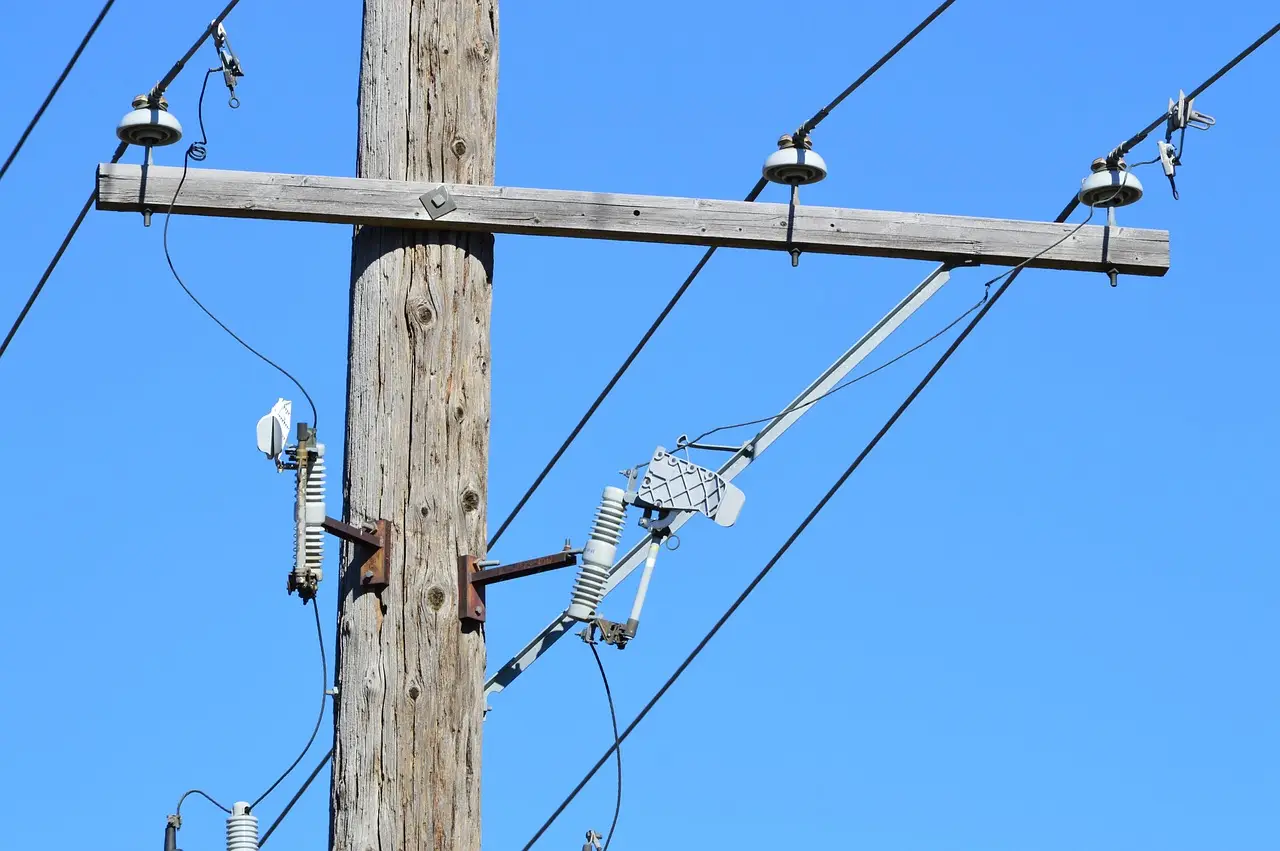
AT&T wants to end basic phone service for 184,000 residential and 15,000 business customers in California on June 1, 2027. On Friday, Nov. 20, the FCC barred the state from enforcing its Carrier of Last Resort (COLR) rules against AT&T, removing California as the last holdout in the carrier's wireline territory for now.
What did the FCC order?
The order grants AT&T's request to preempt state rules and follows the FCC's earlier approval of the carrier's petition to discontinue service in California. California's COLR framework requires AT&T to offer telephone service to anyone inside its territory. AT&T already holds COLR relief in 20 of the 21 states in its wireline footprint.
California can no longer enforce those rules against AT&T under the order. The state still retains a legal route to challenge the FCC. That distinction matters because regulatory relief does not guarantee that the June 1, 2027 retirement schedule will survive litigation unchanged.
Why does the FCC accept cellular service?
AT&T says a wireless home-phone service that connects over the cellular network is an adequate replacement for a copper line. The FCC agreed. Its decision turns a copper-retirement schedule into a shift from a fixed network to a wireless, IP-based service model.
FCC Chairman Brendan Carr said:
“California's Carrier of Last Resort framework may have made sense when it was established 30 years ago. But those rules were designed for a bygone era and no longer make sense in today's competitive, advanced marketplace.”
Carr said California's requirements blocked a federally authorized transition to what he described as a modern, IP-based alternative.
AT&T's case therefore rests on substituting cellular service for copper rather than building fiber to every affected premise. The record cited in the dispute gives no quantified wireless coverage guarantee, installation schedule, price comparison or backup-power commitment for the proposed replacements.
What changes for 199,000 customers?
AT&T's retirement has two distinct parts, and the FCC order affects both future basic-service sales and an existing California base of 199,000 customers under the plan.
- New customers: AT&T wants to stop offering basic phone service in California.
- Residential service: 184,000 customers are targeted for termination on June 1, 2027.
- Business service: 15,000 customers are targeted for termination on the same date.
- Combined total: 199,000 existing customers are covered by the retirement plan.
Fiber is not the universal answer. Many homes that lose copper service would not be offered fiber. Cellular service is therefore the central replacement mechanism for a large part of the affected footprint.
What standards does California defend?
California does not reject wireless replacements outright. It says a cellular substitute qualifies only when it meets the state's standards for basic service.
- Flat-rate, unlimited calling.
- Discounted Lifeline rates for low-income customers.
- Relay service for deaf and hard-of-hearing users.
These protections define California's position in the open California Public Utilities Commission proceeding, but the FCC order currently stops the state from enforcing its COLR framework against AT&T. The immediate enforcement fight has shifted to potential litigation and the durability of the federal override.
The record does not establish that AT&T's proposed service satisfies all three conditions.
Can California block the retirement?
A federal judge rejected AT&T's request for the same relief in July, before the FCC acted. California can now sue the FCC. The sequence gives AT&T an agency order supporting its plan while leaving California a defined route to test the preemption before the 2027 retirement.
Democratic Commissioner Anna Gomez, the FCC's lone Democrat, voted against the order. She noted that the California Public Utilities Commission has an open proceeding to modernize its COLR rules and that AT&T has said it will not end service before June 1, 2027.
Gomez said the order “tells the CPUC to write its new consumer protections around a federal ruling it opposed.”
Her objection centered on timing and regulatory process.
What happens next?
The order also places the dispute inside the broader fight between the Trump administration and California over telecom regulation. For AT&T, relief in 20 states and then California creates a more uniform cellular retirement strategy across its wireline footprint. California can pursue litigation while the CPUC continues its separate work on new rules.
Neither the FCC action nor the AT&T plan cited in the report sets a quantified cellular price, copper-rate freeze or guarantee that all 199,000 affected customers will receive a specific replacement. If California files suit, AT&T's June 1, 2027 transition from copper to cellular—and the pricing and consumer protections attached to it—will remain exposed to federal litigation.
mlq.ai (Source)
More from Sophie Lindqvist
Show full bio
News editor covering money, funding and market shifts around Semiconductors, chip manufacturing, hardware, AI compute at Chip Dispatch.
1,238 articles