Consumer TechLOT 261122 · 3 min read
FCC Proposes Three-Year Renewal Cycle for Cyber Trust Mark Devices
FCC staff propose three-year Cyber Trust Mark renewals with 70% minimum retesting, rejecting industry's five-year plan. Comments are due Dec. 23, 2026. Certification lapses automatically on missed deadlines.
Key takeaways
- FCC proposes three-year Cyber Trust Mark renewals, rejecting the stakeholder committee's five-year recommendation
- Renewal retests all new or revised requirements plus at least 70% of the rest, rising to 100% after any failure
- Comments due Dec. 23, 2026; reply comments due Jan. 7, 2027 (PS Docket No. 23-239)
- Physical label would be at least 1 inch by 2 inches under the CTA-2120 standard, with QR code and bilingual online label
- Manufacturers failing to provide production samples within 30 days could lose certification
By Nathan Brooks
Smart devices carrying the US Cyber Trust Mark would need to renew their certification every three years under new FCC proposals, not the five years industry advisers wanted. The Federal Register published the rules notice on Monday, Nov. 23, with comments due Dec. 23, 2026, and reply comments by Jan. 7, 2027.
The three-year figure is the sharpest departure from what the program's Lead Administrator and stakeholder committee recommended. The committee preferred five-year renewals, arguing a shorter cycle "would be overly burdensome on manufacturers and negatively impact program participation." It also suggested the bureau consider three years, which it noted is the typical span for cybersecurity certifications worldwide.
The FCC's Public Safety and Homeland Security Bureau was unmoved by the longer option. "We are concerned that a five-year renewal period does not adequately align with the fast-paced nature of IoT threat evolution," the bureau wrote. Three years sits as a compromise between the committee's preference and the annual renewal the Commission first floated.
What happens at renewal?
The dispute over testing depth is equally concrete. The committee recommended retesting a minimum 50% sample of the program's technical requirements at renewal. The bureau called that unclear and set a higher bar.
Under the proposal, renewal testing would cover:
- Every new or revised requirement in full
- At least 70% of the remaining requirements
- 100% of requirements if even one failure turns up
Manufacturers would also file a test report from an accredited laboratory with each renewal. Miss the deadline and the product's certification ends automatically on its expiration date. No grace period appears in the notice.
The bureau frames the cost honestly. It calls the regime an "added, yet manageable, burden" worth paying so consumers receive up-to-date security information. That is a rare piece of regulatory candor, and device makers will test the "manageable" half of that claim in the comment record.
What goes on the label?
The notice proposes adopting label rules based on the CTA-2120 industry standard. The physical label would measure at least 1 inch by 2 inches and carry both the QR code and the Cyber Trust Mark. The online cyber nutrition label would appear in English and Spanish.
One detail remains open. The bureau asks whether the minimum font size should be 4 point, as the committee recommended, or the 5 point that CTA-2120 cites for legibility. A 4-point font is roughly the size of fine print on a medicine bottle; the question is whether shoppers can read it at arm's length.
Who watches the shelves?
Post-market surveillance gets teeth in the proposal. Certification bodies would run written sampling plans, and manufacturers that fail to provide production samples within 30 days of a request could lose certification. The notice also covers complaint handling, non-compliant products, and what becomes of certifications when a program administrator withdraws or has its authority terminated.
The notice was first released on Oct. 27 as a public notice in PS Docket No. 23-239. It responds line by line to the stakeholder committee's recommendations rather than starting from scratch.
Why does this matter?
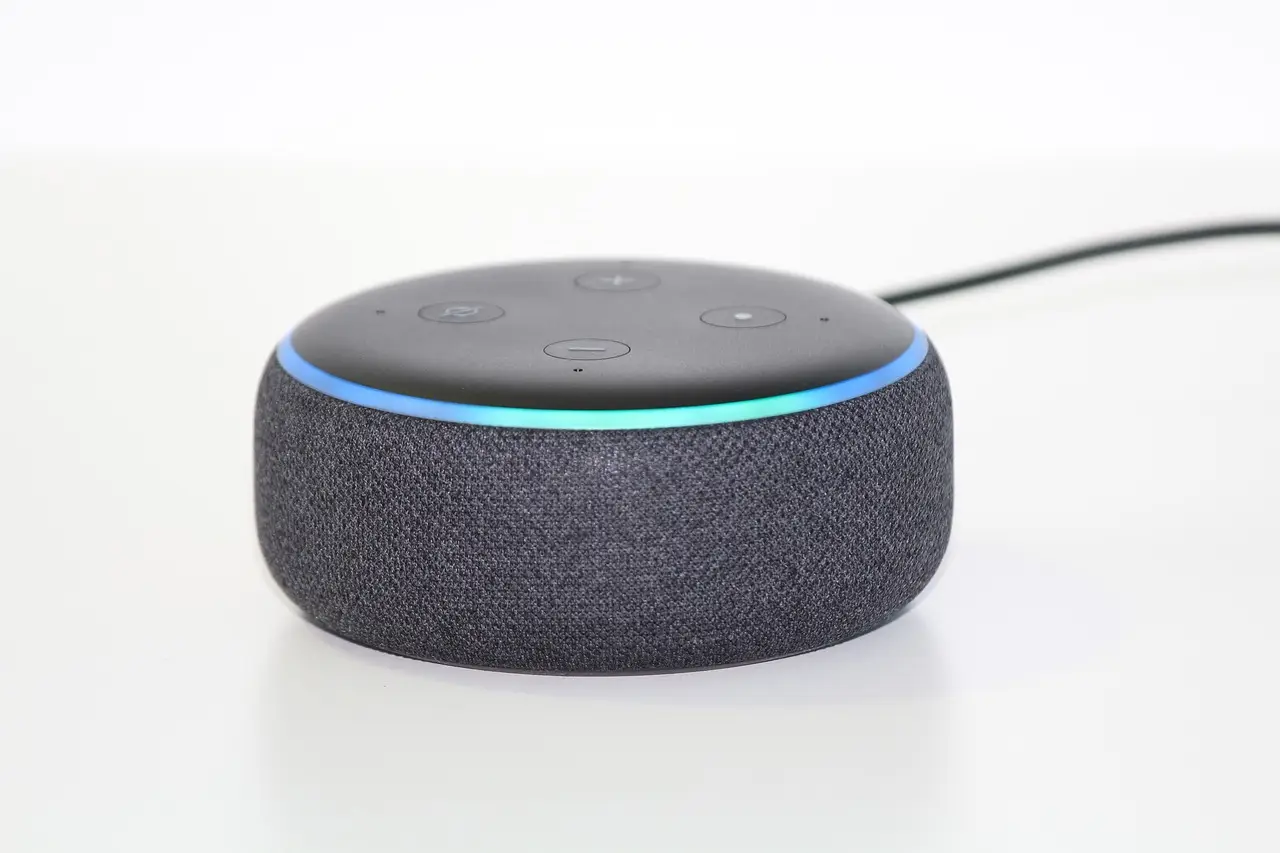
The Cyber Trust Mark is voluntary. It is nonetheless meant to become the label shoppers look for on routers, cameras, smart speakers, and other connected devices, which gives the FCC leverage that formal mandates would not.
The commercial calculus is straightforward. A three-year renewal cycle with 70% minimum retesting raises the cost of keeping the mark, and that cost lands on every certified product family. Manufacturers now have until Dec. 23, 2026, to argue their case; the bureau's record so far suggests it will trade convenience for freshness every time.
mlq.ai (Source)
More from Nathan Brooks
Show full bio
Senior reporter covering people, launches and day-to-day practice in Semiconductors, chip manufacturing, hardware, AI compute at Chip Dispatch.
1,201 articles