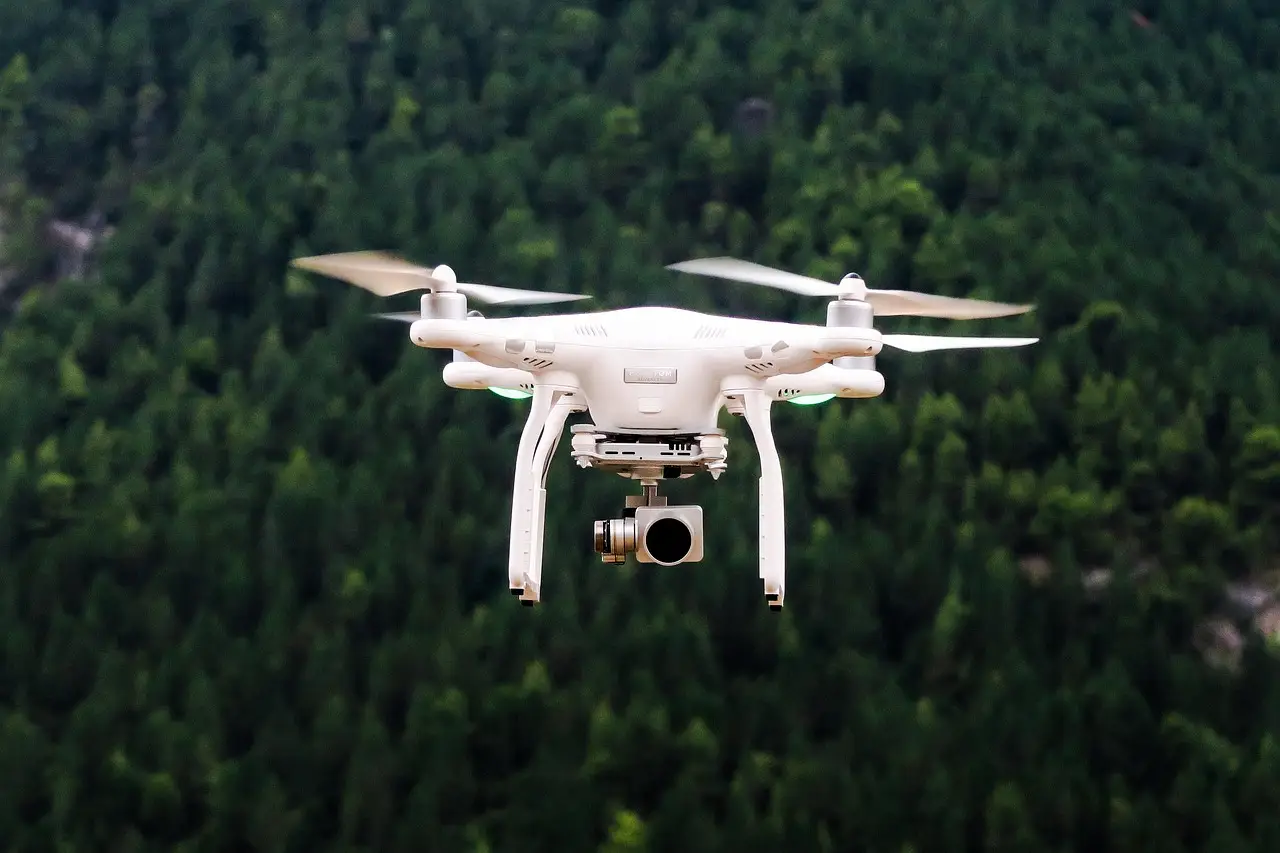
FCC uses new chip-level rule to bar two U.S. devices
The FCC banned a dashboard camera and wireless video transmitter over a HiSilicon vision SoC, using a new rule that reaches internal chips rather than product brands.
- By
- Tom Whitfield
- Filed
- Channel
- Chips & Policy
- Read
- 4 min read
By Tom Whitfield
The FCC has barred two devices from sale and marketing in the United States, the first use of a new rule that reaches inside products rather than targeting a brand alone. The rejected products are a dashboard camera and a wireless video transmitter, both linked to the HiSilicon Hi3516CV610 UHD Smart Vision system-on-chip.
What does the chip-level rule change?
The new rule closes a rebranding gap in U.S. product controls. Because sellers could otherwise place restricted Chinese-made parts inside devices sold under another name, the FCC can now act on the component rather than the outside label.
Here, the relevant supplier is HiSilicon, a Huawei subsidiary. Huawei and its subsidiaries appear on the FCC's Covered List of entities that pose a risk to U.S. national security. Both bans rest on the presence of the covered Hi3516CV610 processor in the finished devices.
The practical change is that the FCC can now follow the silicon, not the label.
Why did the HiSilicon processor trigger the bans?
The Hi3516CV610 targets surveillance and camera products, including vehicle dashboard cameras and wireless CCTV systems. Its published feature set includes:
- Wi-Fi and Ethernet connectivity
- Video encoding hardware
- An Arm Cortex-A7 processor
- A neural processing unit, or NPU, for AI features
- Built-in face-detection algorithms
The FCC focused on the NPU. In explaining the action, the agency described the NPU as a device containing logic-bearing “smart” components produced by entities on the Covered List. That language ties the restriction to logic-bearing hardware from a covered supplier rather than to the market names of the camera and transmitter.
The NPU and its covered supplier, rather than the two product labels, form the core of the case.
What can the processor's AI engine track?
On its data sheet, the Intelligent Video Engine, or IVE, uses the NPU to run a built-in dedicated multimodal large model and transformer feature acceleration. The transformer function lets the AI model understand relationships between objects from one video frame to the next.
The data sheet says the system maintains “attention” between related objects. Its examples include pets, faces, human figures and parcels.
The practical consumer case is specific. Such processing could help a camera determine whether a pet is escaping or whether an unknown person is stealing a parcel after a courier worker placed it there. These capabilities describe a potential function, not a demonstrated result from either banned device.
The FCC sees a different risk. The agency believes the logic-bearing AI in the SoC could survey U.S. citizens and log faces for foreign surveillance. No evidence presented with the bans shows either device conducting that work; the stated case rests on the FCC's assessment of the chip and its covered supplier.
The distinction is between advertised object recognition and the FCC's concern about facial surveillance at a much larger scale.
How does the case fit Huawei's earlier chip history?
The action follows an earlier Huawei AI-chip scandal. Huawei used shell companies to deceive TSMC into producing AI chips for the company, contrary to a U.S. request that TSMC halt supplies to a list of Chinese customers.
That episode, along with other Huawei scandals cited in connection with earlier U.S. product bans, has contributed to the company's history of blocked products. Placed beside the new action, that history explains why the FCC treated a component-level risk from a Huawei subsidiary as grounds for blocking finished products.
The earlier TSMC episode shows why scrutiny now extends beyond products carrying the Huawei name.
What changes for device makers and sellers?
The immediate consequence is narrow in product count but broad in mechanism. The dashboard camera and wireless video transmitter can no longer be sold or marketed in the United States because they contain the covered HiSilicon SoC. The announcement does not identify the manufacturers or brands, and it provides no shipment or revenue figures for either product.
The rule nevertheless raises the compliance burden for chip suppliers and downstream device makers because component provenance now matters independently of the brand on the enclosure. A device maker using the HiSilicon component could face a U.S. sales bar even when the end product carries a separate brand. Each additional product with that processor could become subject to the same scrutiny.
Two product bans now show that a covered chip can matter as much as a covered brand.
If the FCC applies this chip-level test to more products using HiSilicon or other covered Chinese components, camera and video-transmitter makers face greater sourcing pressure, and rivals using non-covered parts could gain U.S. sales opportunities.
Source: Tom's Hardware
More from Tom Whitfield
Show full bio
Staff writer covering companies, deals and strategy in Semiconductors, chip manufacturing, hardware, AI compute at Chip Dispatch.
726 articles
Related articles
us-says-ai-chip-export-ban-reaches-chinese-firms-outside-china-b9b4e139
US Says AI Chip Export Ban Reaches Chinese Firms Outside China
fcc-s-foreign-gadget-bans-drones-routers-and-now-roombas
FCC's Foreign Gadget Bans: Drones, Routers, and Now Roombas
export-controls-handed-huawei-the-ai-market-nvidia-once-ruled-8ab08cf3
Export Controls Handed Huawei the AI Market Nvidia Once Ruled
taiwan-considers-blanket-ai-chip-export-curbs-on-all-chinese-customers-637b2104
Taiwan Considers Blanket AI Chip Export Curbs on All Chinese Customers