Science & Technology · 3 min read
FDA clears Neuralink's LINK pivotal brain implant trial
FDA approved Neuralink's LINK, the first US pivotal trial of an implantable brain-computer interface. The N1 implant and R1 robot will be tested at broader scale; 30+ participants implanted so far.
Key takeaways
- FDA approved Neuralink's LINK trial on Nov. 25 — the first US pivotal trial for an implantable brain-computer interface.
- Neuralink has implanted more than 30 participants to date, up from 21 reported in January.
- Enrollment target, trial sites and primary endpoints were not disclosed.
- Science Corporation, founded by ex-Neuralink president Max Hodak, raised $400 million in November for its PRIMA retinal implant.
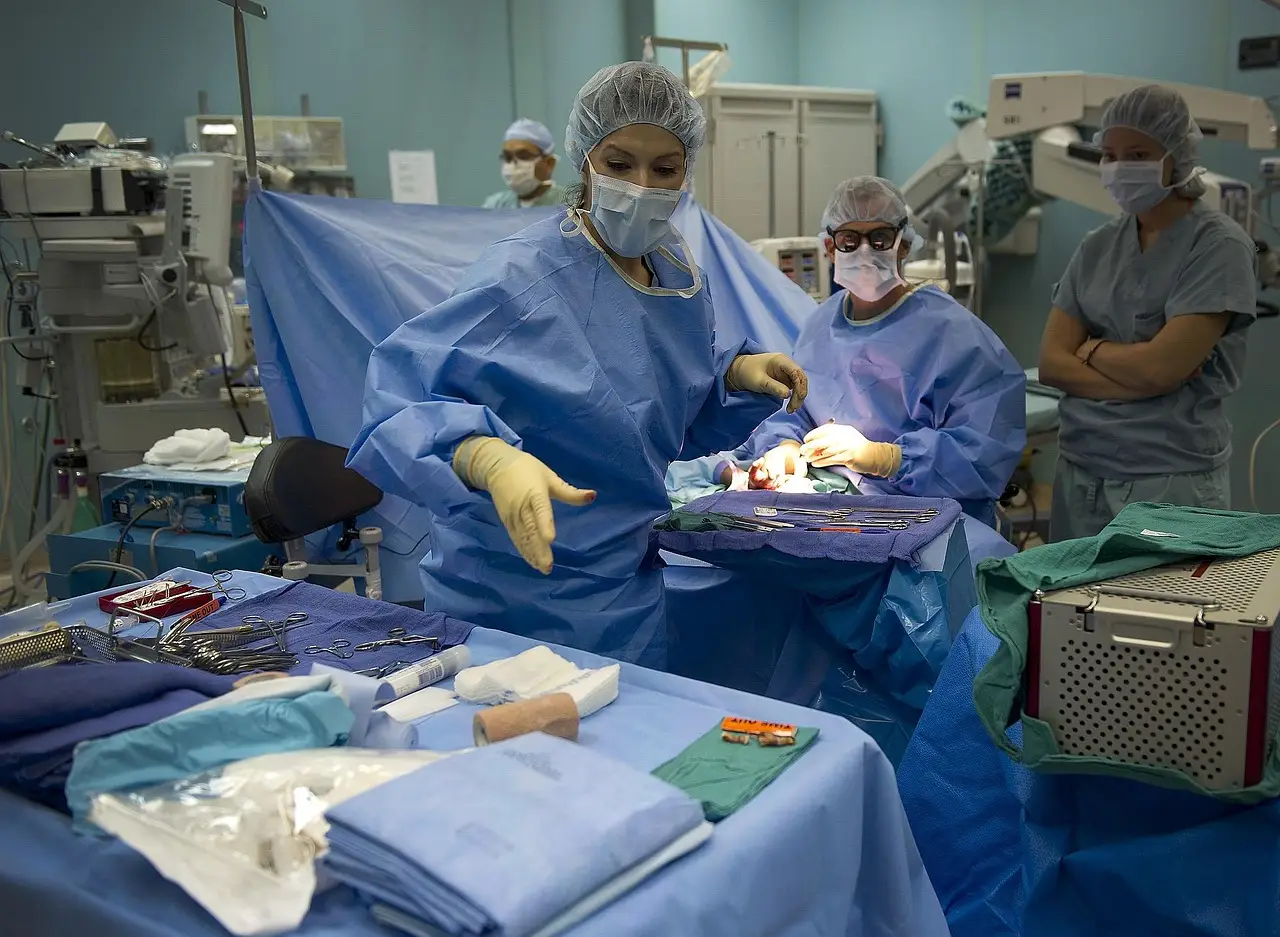
The FDA has approved Neuralink's LINK trial, which the company calls the first pivotal trial for an implantable brain-computer interface in the United States. Neuralink announced the clearance on Wednesday, Nov. 25. The company said people with ALS may be eligible, and that the trial builds on work with more than 30 participants implanted to date.
The clearance moves Neuralink's N1 implant and R1 surgical robot into a new stage of testing. Investing.com reported that LINK is designed to test both the implant and the robot at a broader scale than the company's earlier studies.
What does a pivotal trial actually change?
A pivotal trial is the larger, later-stage study a company generally needs before asking the FDA to approve a high-risk device for sale. In plain terms, LINK is the step between exploratory research and a commercial product.
Neuralink left key details out of its announcement. It did not say how many people LINK will enroll, which hospitals will run it, or what its primary endpoints are. The company's devices remain investigational and have not received FDA approval for sale.
The takeaway: Neuralink has cleared the regulatory gate to the final stage of testing, but the size, location and success criteria of that test remain undisclosed.
From feasibility studies to a pivotal trial
Until now, Neuralink's US work has run as early feasibility studies. PRIME, the first, began with Noland Arbaugh's implant in January 2024 and lists an estimated enrollment of 15 on ClinicalTrials.gov. Earlier this month the company registered PRIME2, a feasibility study of up to 10 people with spinal cord injury, ALS or stroke. That study lists the University of Miami as a recruiting site.
The participant count has grown quickly across borders. Neuralink reported 21 participants in January across studies in the US, Canada, the UK and the UAE. The company now says it has passed 30.
The trial links to the company's page for Telepathy, its device-control product. The N1 implant reads signals from the motor cortex so participants can move a cursor, click and type by imagining hand movements. A brain surgeon places the implant, and the R1 robot inserts the electrode threads. Participants are followed for 24 months after surgery.
The takeaway: LINK rests on two years of feasibility work in four countries, with a 24-month follow-up protocol per patient.
Who else is moving?
Rival brain-implant developers are also attracting capital. Science Corporation, founded by former Neuralink president Max Hodak, raised $400 million this month for its PRIMA retinal implant. That round signals that investors see a widening market for implanted neural devices, not a single company's science project.
The takeaway: Money is flowing into competing implant programs while Neuralink moves first into the pivotal stage.
What comes next?
The unanswered questions are the commercial ones. Neuralink has not disclosed enrollment targets, trial sites or endpoints, so the path from LINK to an approved product has no public timeline. A pivotal trial, if it succeeds, is the study that supports an application to sell the N1 implant as a medical device — a shift from research funding to a regulated market, with rivals raising hundreds of millions to compete for the same field.
mlq.ai (Source)
More from Tom Whitfield
Show full bio
Staff writer covering companies, deals and strategy in Semiconductors, chip manufacturing, hardware, AI compute at Chip Dispatch.
1,295 articles