AI & ComputeLOT 261119 · 3 min read
Fed Flags $3 Trillion in Hidden AI Financing Obligations
The Fed's Nov. 13 Financial Stability Report puts off-balance-sheet AI obligations above $3 trillion, with $800 billion more in debt at seven AI firms and rate hikes ahead.
Key takeaways
- Fed Financial Stability Report of Nov. 13 estimates over $3 trillion in off-balance-sheet obligations at major AI companies.
- Seven major AI companies are expected to hold more than $800 billion in on-balance-sheet debt by year-end.
- Fed Governor Michael Barr warned about AI infrastructure financing in a Nov. 16 speech.
- CoreWeave reported $21.3 billion in financing cash inflows in the first nine months of 2026.
- Futures markets priced three quarter-point rate hikes by summer 2027.
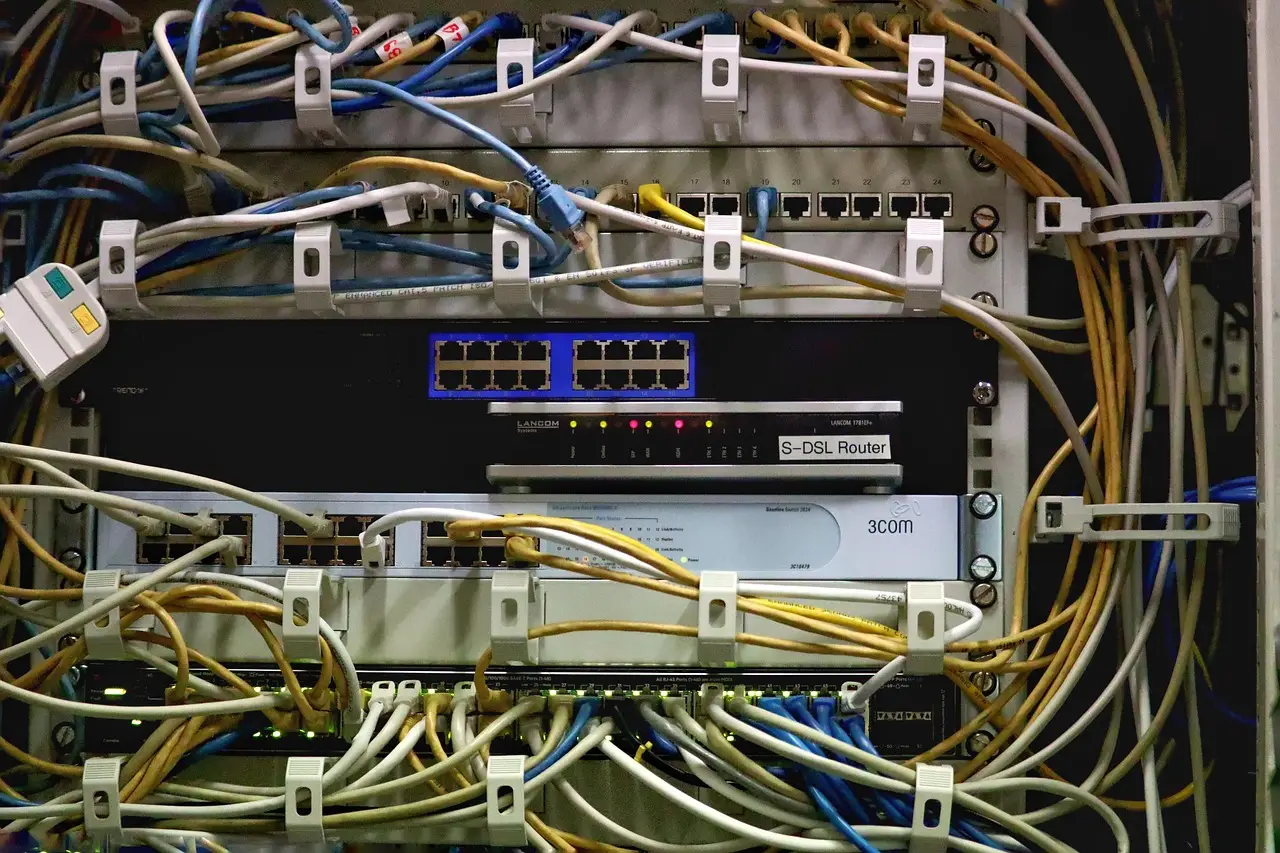
The Federal Reserve estimates that off-balance-sheet obligations tied to major AI companies now exceed $3 trillion. The figure comes from the Fed's Nov. 13 Financial Stability Report and was flagged publicly by Fed Governor Michael Barr in a Nov. 16 speech.
The $3 trillion sits on top of more than $800 billion in on-balance-sheet debt that seven major AI companies are expected to carry by year-end. The commitments include long-term data-center leases, energy contracts, financing guarantees and other obligations that never appear as conventional corporate debt.
The Fed cautioned against reading the number as a loss forecast. It represents undiscounted contractual exposure that could become problematic only if AI investments disappoint, and the central bank said such commitments are not directly comparable with ordinary debt.
What did the October meeting minutes add?
Minutes from the Fed's October meeting, released Nov. 18, identified three interconnected vulnerabilities: rapidly growing debt, circular financing arrangements, and complex obligations that obscure where financial risk ultimately resides.
Nvidia (NASDAQ:NVDA) is the most prominent example of the exposure chain. The chipmaker supplies processors to companies building AI infrastructure, and some of those customers rely on borrowing or financing arrangements supported by future computing demand. Investor Michael Burry has publicly warned about Nvidia's financing relationships, arguing that disappointing AI demand could hit companies that never manufactured a semiconductor.
The transmission mechanism is straightforward. A data-center operator borrows billions to buy equipment, leases facilities from another company and signs long-term power contracts with utilities, all while its customers count on future AI revenue to cover their own commitments. If those revenues fall short, losses travel through the financial system.
The Fed's sector-by-sector risk map covers the full chain:
- Semiconductor suppliers: slower equipment orders
- Data-center operators: lower utilization and refinancing pressure
- Banks and private lenders: credit losses or tighter lending
- Utilities: underused infrastructure and disputed cost recovery
- Investment funds: falling asset values and forced selling
How far could the contagion reach?
The October minutes specifically warned that leveraged hedge funds, bond mutual funds and even target-date retirement funds could face pressure to sell assets during severe market disruptions. Selling by one group pushes prices lower and forces others to reduce exposure.
Barclays (NYSE:BCS) issued its own warning, saying the AI trade is one of the most important supports holding up the economy, and that if it unwinds, everything else is "irrelevant."
Borrowing costs have already risen for riskier AI infrastructure companies, particularly those financing data-center construction. Almost all Fed policymakers at the October meeting expected additional rate increases. Futures markets priced in three quarter-point hikes by summer 2027, which would raise refinancing costs for AI infrastructure borrowers just as investors demand stronger returns.
Are strong AI companies protected?
The Fed is not predicting a financial crisis. Its assessment found that bank and household balance sheets remain strong enough to buffer severe losses.
Not all AI companies carry equal risk. Microsoft (NASDAQ:MSFT), Alphabet (NASDAQ:GOOGL) and Amazon (NASDAQ:AMZN) generate cash from established businesses that can help fund their AI investments internally. The greater concern sits with businesses dependent on outside financing. CoreWeave (NASDAQ:CRWV) reported $21.3 billion in financing cash inflows during the first nine months of 2026, according to its third-quarter SEC filing.
Elevated stock market valuations add another layer of exposure. Investors holding broad index funds, including the State Street SPDR S&P 500 ETF Trust (NYSEARCA:SPY), may already carry considerable exposure to the same companies funding the AI buildout.
The Fed's core message is that AI can succeed as a technology while parts of its financing structure fail as investments. Debt maturities, free cash flow, lease commitments and customer concentration now deserve the same scrutiny as revenue growth, and any disappointment in AI returns would propagate through chip orders, data-center utilization, bank credit books and utility rate cases long before it showed up in any single stock.
247wallst.com (Source)
More from Grace Kim
Show full bio
Market editor covering people, launches and day-to-day practice in Semiconductors, chip manufacturing, hardware, AI compute at Chip Dispatch.
1,158 articles