Fed's Bowman: AI Accounts for a Quarter of U.S. Excess Inflation
Fed Vice Chair Michelle Bowman estimates AI drove about one-fourth of above-target core PCE inflation, with AI-related debt on track to exceed $800 billion in 2026.
- By
- Grace Kim
- Filed
- Channel
- Chips & Policy
- Read
- 3 min read
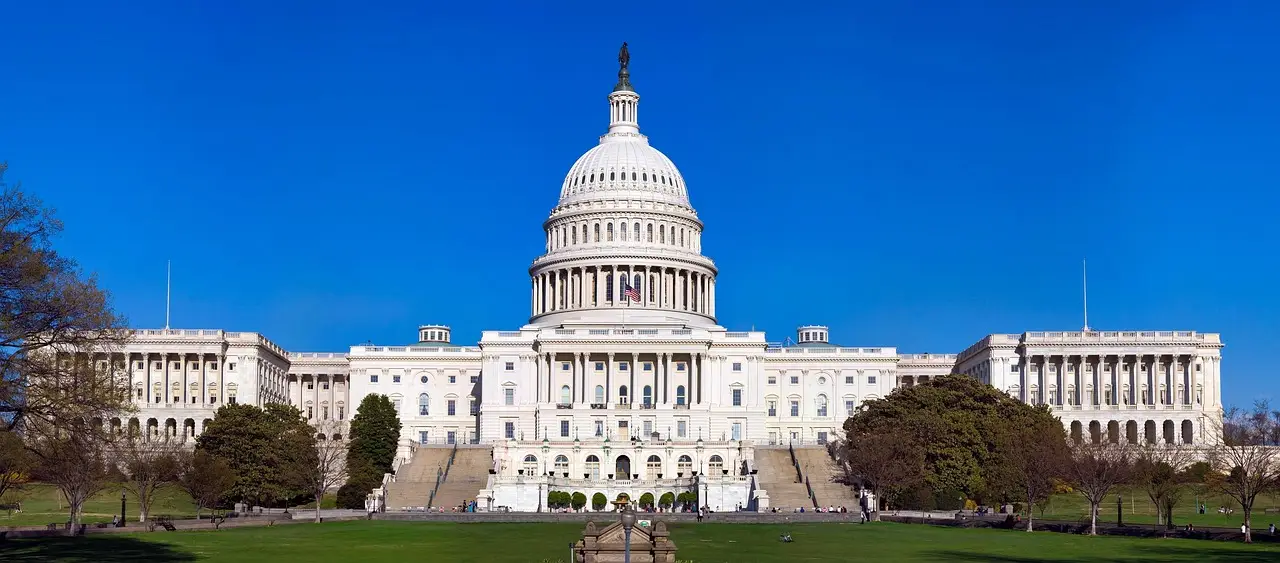
Artificial intelligence accounted for roughly one-fourth of above-target core PCE inflation in the United States over the 12 months ending in September, according to Federal Reserve Vice Chair for Supervision Michelle Bowman. She presented the estimate at the Council on Foreign Relations in Washington on Tuesday, November 10, 2026. Tariffs and energy each contributed a similar share. Core PCE is the Fed's preferred inflation gauge and excludes food and energy prices.
The figure is Bowman's own calculation. The Fed has published no official statistic of this kind. She also said 12-month core PCE likely rose to 3.3% in October, and the October consumer price index gained 0.4%, above the consensus forecast.
What does the AI share mean for chip prices?
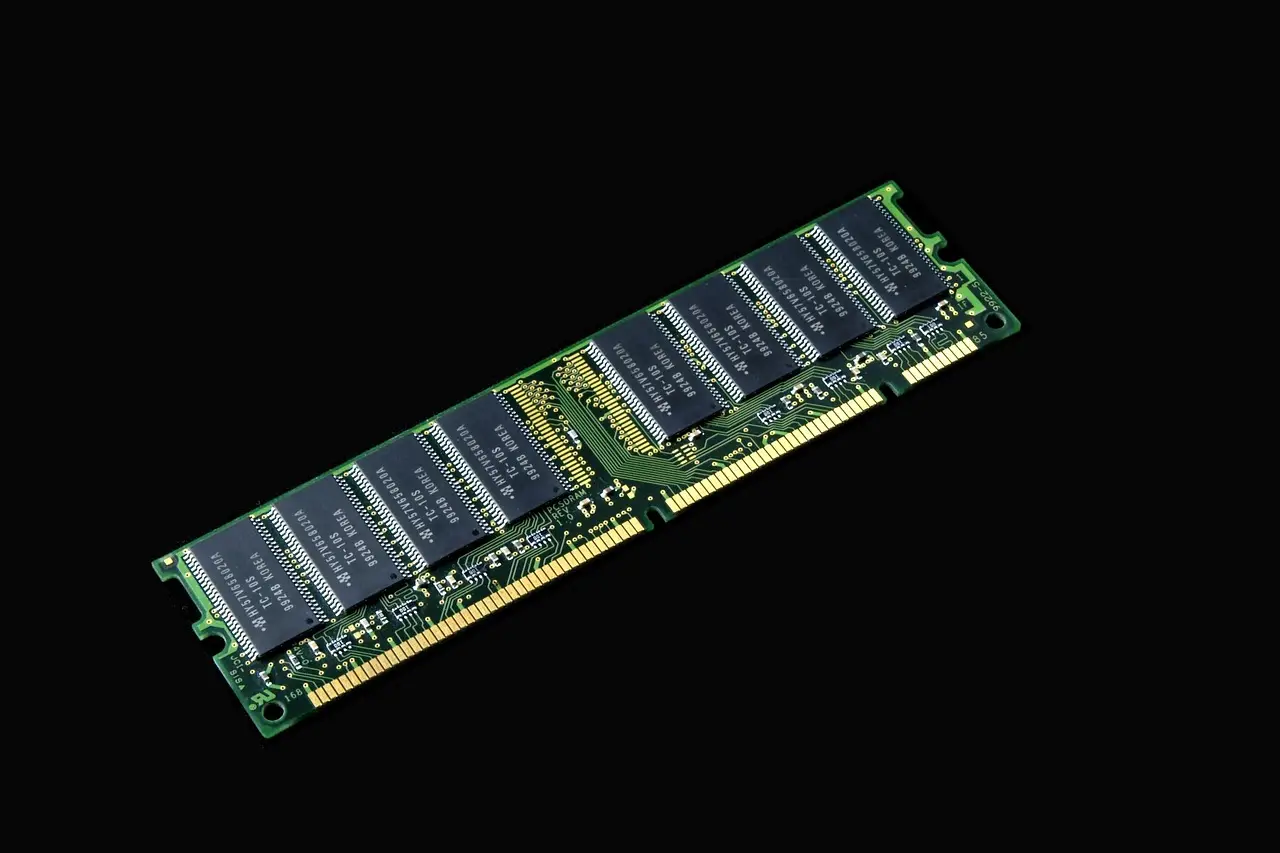
Bowman said the AI buildout has pushed investment demand toward high-tech equipment whose supply cannot expand quickly. Prices for memory chips, semiconductors, and computers rose by double digits. She added that monetary policy has limited influence over these price pressures.
The shortage favors NVIDIA. On its August earnings call, the company's chief executive said: "Even though our demand is much greater than 70%, our supply allows us to confidently deliver 70%."
Microsoft sits on the paying side of the same equation. Its quarterly capital spending reached $39.367 billion. Roughly three-quarters of that went to short-lived assets such as GPUs and more expensive memory.
How large is the AI financing web?
Bowman said AI-related debt is on track to exceed $800 billion in 2026. She estimated that leases, contract commitments, and residual value guarantees could add more than three times that amount, implying a total above $2.4 trillion by the arithmetic of her two figures.
She also flagged hyperscalers' equity stakes in smaller customers as creating "the appearance of circular financing." NVIDIA fits that description. Its guarantee obligations are limited to $108.5 billion, and it has invested nearly $50 billion in frontier AI labs.
Her downside scenario was conditional. If AI revenue falls short of rising costs, AI stocks could face a sharp correction and tighter credit.
What did Bowman signal for December?
She backed holding the federal funds target range at 3.75% to 4% in October and said policy is on no fixed course. She did not endorse a December hike. Governor Christopher Waller and Dallas Fed President Lorie Logan argued for further increases on the same day.
Early on November 11, futures markets priced an 88.5% chance of a quarter-point hike and an 11.5% chance of a half-point move. Bowman still expects core PCE to move closer to 2% next year.
How did AI stocks react?
NVIDIA closed Tuesday at $168.89, down 5.47%. It traded at $177.46 around 1:32 p.m. ET on November 11, up 5.07%, as a CoreWeave-led rally lifted AI cloud stocks. Microsoft traded at $521.28, down 2.23%. Neither move can be clearly linked to Bowman's speech. The spending that drives both companies' growth now sits on the Fed's inflation list.
The bull case rests on demand still exceeding supply. NVIDIA's guidance points to $108.0 billion in third-quarter revenue. Microsoft's commercial backlog stands at $677 billion.
The bear case is twofold. A rate hike raises borrowing costs for data center developers. It also lowers the present value of profits expected years from now, which weighs most heavily on growth stocks.
Who is better placed: NVIDIA or Microsoft?
NVIDIA appears better positioned than Microsoft under the pressures Bowman described. It collects the price increases she identified and trades at 34 times earnings after a month in which the stock fell 22.6%. Microsoft trades at 30 times earnings and pays the higher component prices.
NVIDIA's earnings report is expected on November 17, although the company has not confirmed the date. If revenue misses the $108.0 billion guide by more than its 2% band, that assessment fails. The FOMC then meets on December 8-9, with markets near-certain of a hike and the AI capex cycle now an explicit input in the Fed's inflation accounting.
Source: 247wallst.com
More from Grace Kim
Show full bio
Market editor covering people, launches and day-to-day practice in Semiconductors, chip manufacturing, hardware, AI compute at Chip Dispatch.
868 articles
Related articles
intels-test-server-growth-meets-pc-and-cash-strain
Intel’s 2027 Test: Server Growth Meets PC and Cash Strain
nvidia-s-ai-finance-model-meets-a-wall-street-reality-check-42a0e51a
Nvidia's AI Finance Model Meets a Wall Street Reality Check
ai-capex-forecast-to-hit-1-2-trillion-next-year-0ed86095
AI Capex Forecast to Hit $1.2 Trillion Next Year
global-pc-shipments-fell-21-percent-in-q3-as-memory-prices-bit
Global PC Shipments Fell 21 Percent in Q3 2026 as Memory Prices Bit