Finland clears Tesla’s supervised self-driving system for its roads
Finland recognized the Dutch RDW’s April 10 provisional approval for Tesla’s supervised driver assistance, enabling immediate sales while an EU-wide vote remains pending.
- By
- Rebecca Stone
- Filed
- Channel
- Consumer Tech
- Read
- 3 min read
By Rebecca Stone
Finland cleared Tesla’s supervised driver-assistance system for Finnish roads on Wednesday after Traficom recognized the Dutch RDW’s provisional type approval, granted April 10, allowing Tesla to begin offering the system to Finnish customers immediately.
Traficom’s decision follows the RDW’s national provisional approval and uses an EU mechanism that lets member states recognize such approvals before the European vehicle committee votes on bloc-wide authorization. The sequence matters because Finnish availability does not depend on the pending union vote.
Traficom said it had “recognised the provisional type-approval granted by the Dutch authority, allowing Tesla’s assisted driving system to be used as a driver assistance system in Finland.” The wording fixes Tesla’s product in the driver-assistance category; it does not grant unsupervised operation.
What has been approved?
The system is sold in the United States as FSD (Supervised), and it still requires an attentive driver. Finland’s approval allows it to operate on public roads as supervised assistance. It is a narrower authorization than the unsupervised Robotaxi service that Tesla is expanding in the United States.
That distinction separates the Finnish road approval from Tesla’s U.S. commercial push: supervised assistance on public roads sits legally and operationally apart from an unsupervised fleet service.
How large is the eligible base?
About 6,500 cars in Finland have the latest-generation hardware covered by the approval. That group represents roughly 0.24% of the country’s 2.7 million passenger cars, a small installed base even before the approval opens new sales.
The 6,500 figure counts cars with eligible hardware; Traficom did not report an activation count. Tesla had not started a similar approval process for older cars, leaving that hardware outside the current Finnish authorization.
What did Traficom examine?
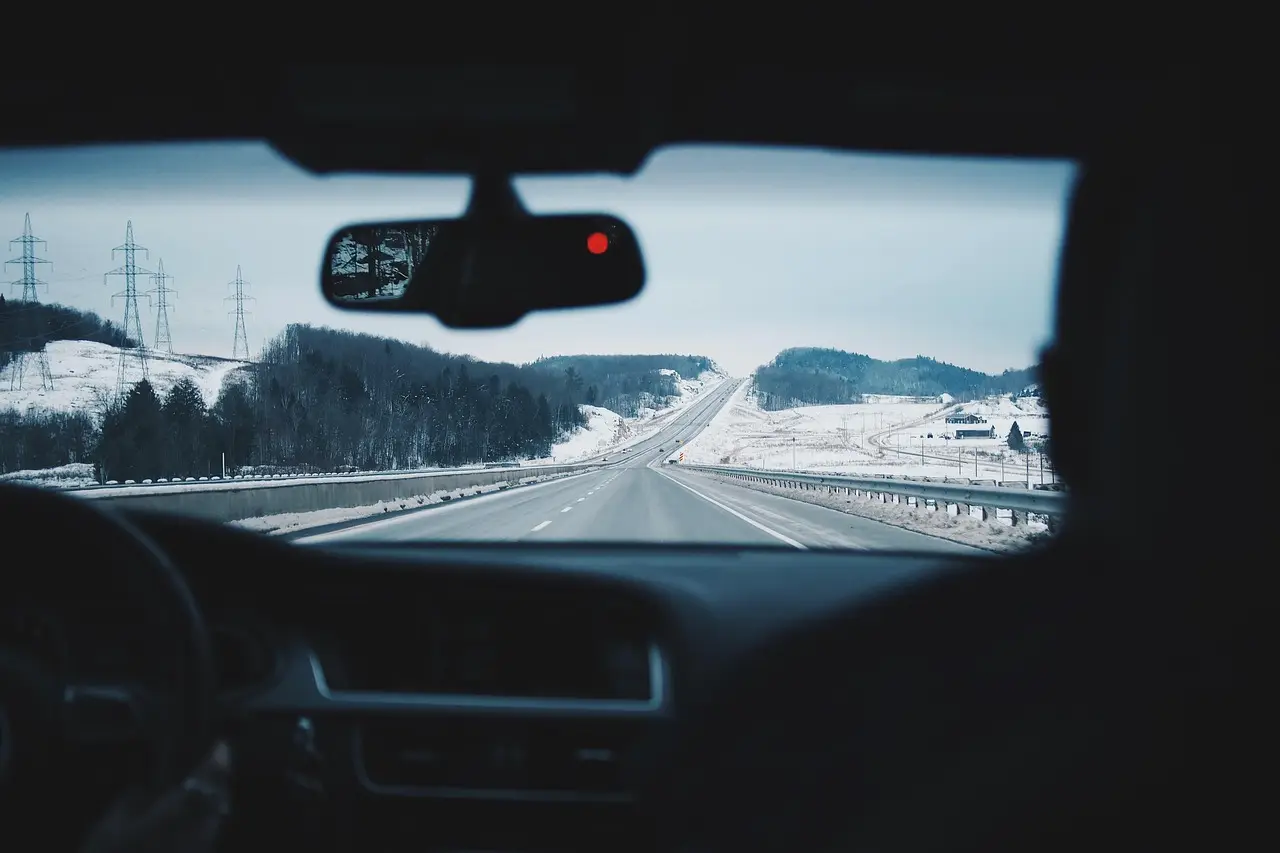
When Traficom opened its review in June, the agency said its overall view was positive but continued examining winter driving, slippery surfaces at higher speeds and overtaking on two-lane roads with bends and elevation changes. Those cases bear directly on the conditions the system must handle in Finland.
Traficom also noted that drivers can set the system to run up to 50% above a detected speed limit, while the 120 km/h motorway maximum still applies. The setting does not raise the underlying motorway limit; the approval keeps that ceiling in place.
How does Finland fit the European sequence?
Estonia, Croatia and Belgium had already allowed the technology before Finland’s decision, making Finland the fourth country to allow its use. Some regulators remain cautious. Traficom said in June that an EU-wide vote was expected in October, but the vote had not taken place when the agency announced Finland’s clearance.
Finland therefore entered through recognition of the Dutch provisional approval rather than a final EU decision. That route enabled immediate Finnish sales while leaving the larger European question open.
What changes for Tesla?
The immediate commercial change is straightforward: Tesla can offer the supervised system in Finland now, not after the expected October committee vote. The eligible hardware cohort is about 6,500 cars, and the current approval does not extend to older vehicles through any announced process.
The broader opportunity remains tied to member-state decisions and an eventual EU-wide authorization. In the United States, Tesla’s expansion of an unsupervised Robotaxi service, most recently to San Antonio, demonstrates a different operating model; Finland’s authorization applies to a supervised driver-assistance product on public roads.
The next test is the expected October EU-wide vote: broader authorization would extend access beyond the four countries that had allowed use, while continued regulatory caution would keep the European market divided country by country.
Source: mlq.ai
More from Rebecca Stone
Show full bio
Correspondent covering technology and product news in Semiconductors, chip manufacturing, hardware, AI compute at Chip Dispatch.
845 articles
Related articles
volvo-picks-nvidia-to-power-hands-free-driving-89bf4ac0
Volvo Picks Nvidia to Power Hands-Free Driving by 2030
south-korea-charges-80-tesla-drivers-over-unauthorized-fsd-unlocks
South Korea Charges 80 Tesla Drivers Over Unauthorized FSD Unlocks