Tech Business · 2 min read
Five Directors Named to Steer SpaceX-Tesla Merger Talks
Three Tesla and two SpaceX directors will guide merger committees, the FT reports. Bankers at Morgan Stanley, Goldman Sachs and Evercore are modeling an all-stock deal.
Key takeaways
- Five directors — Denholm, Wilson-Thompson, Hartung (Tesla) and Botha, Glein (SpaceX) — lead the two merger committees, per the FT on Nov. 24.
- The deal under discussion is an all-stock merger; Morgan Stanley and Goldman Sachs advise SpaceX, Evercore advises Tesla.
- Musk said on Oct. 20 he is excluded from committee talks as a conflicted party and holds over 50% of SpaceX voting power.
- A Tesla merger would require support from 50% of all outstanding shares, not just votes cast.
- Bloomberg reported on Nov. 12 that a deal could be announced as early as December.
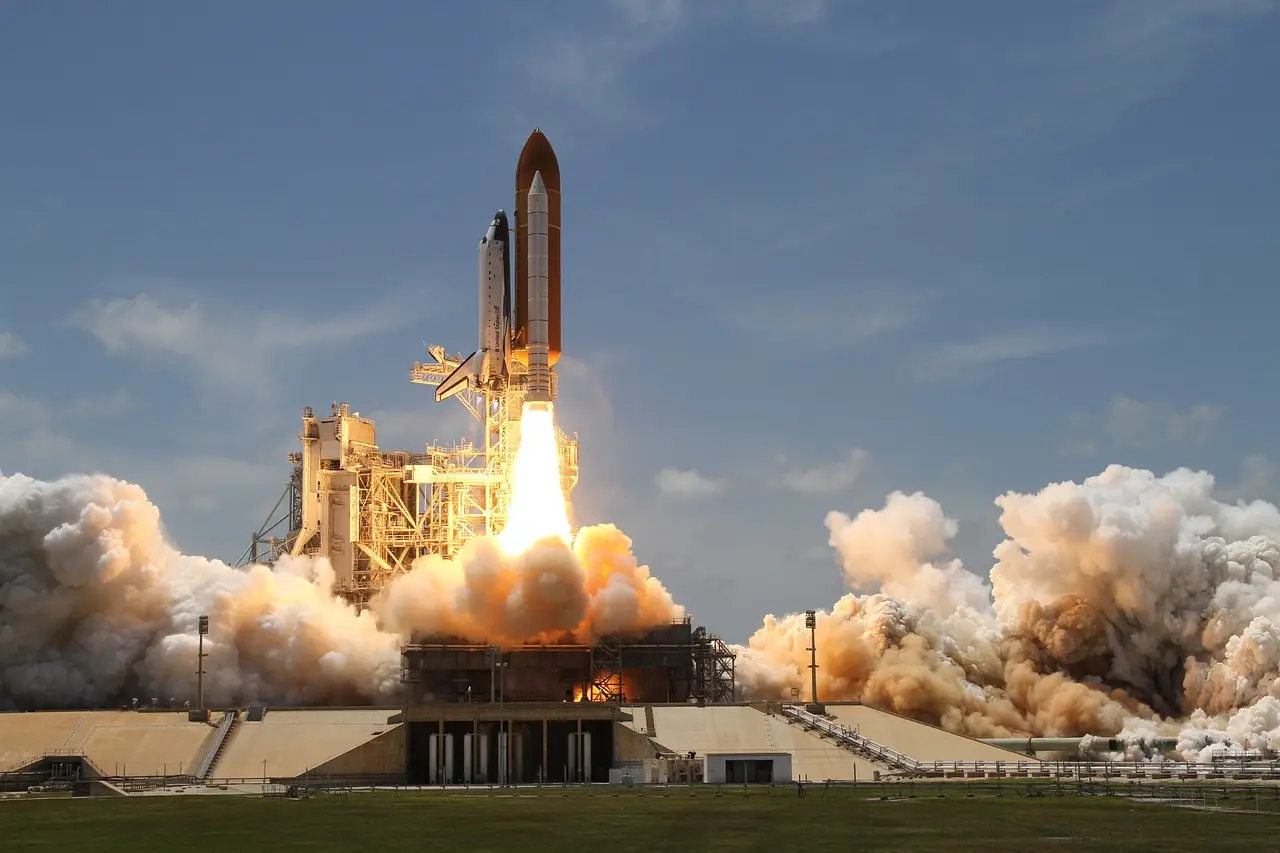
Five directors, three from Tesla and two from SpaceX, will guide the special committees negotiating a possible merger of Elon Musk's two companies, the Financial Times reported on Tuesday, Nov. 24.
The Tesla side of the group consists of board chair Robyn Denholm, Kathleen Wilson-Thompson and Jack Hartung. SpaceX contributes Roelof Botha and Randy Glein. The FT named all five, and Reuters carried the report.
What are the committees negotiating?
Advisers are fine-tuning financial models to set negotiating positions for an all-stock merger, according to the FT. Bankers are also studying where the businesses of a combined company would overlap.
The Wall houses are split. Morgan Stanley and Goldman Sachs advise SpaceX, while Evercore advises Tesla. Reuters said it could not immediately verify the FT report, and neither company responded to requests for comment outside regular business hours.
The takeaway: the deal structure is an all-stock merger, with bankers still building the models that will anchor each side's asking price.
How did the talks reach this stage?
Musk confirmed the committees' existence on SpaceX's third-quarter earnings call on Oct. 20. He said both boards had formed special committees of independent directors at shareholders' request, that no terms had been agreed, and that he cannot take part in their discussions because he is conflicted.
"At the end of the day, the shareholders have to be supportive of this," Musk said on the call.
The arithmetic of approval is uneven. Musk holds more than 50% of SpaceX's voting power. A Tesla deal, by contrast, would need the support of 50% of all outstanding shares, not merely those voting, TechCrunch reported. That threshold makes Tesla shareholders the decisive gate for any transaction.
What comes next, and what could stop it?
Bloomberg reported on Nov. 12 that the talks were progressing and that a deal could be announced as early as December. Musk said last week that the two companies would probably be better together.
Regulatory risk remains the main obstacle. Reuters noted that a combined company would face steep hurdles, given SpaceX's US defense contracts and Tesla's reliance on China. Reviewing a merger that spans Pentagon launch contracts and a Chinese factory base would likely draw scrutiny from multiple agencies.
The takeaway: a December announcement is possible but not assured, because shareholder approval on the Tesla side and antitrust and national-security review both stand between the committees and a signed deal.
mlq.ai (Source)
More from Tom Whitfield
Show full bio
Staff writer covering companies, deals and strategy in Semiconductors, chip manufacturing, hardware, AI compute at Chip Dispatch.
1,256 articles