Fujifilm Puts $63 Million Into Magnetic Tape as AI Storage Runs Short
Fujifilm will spend $63.3 million to lift tape output five-fold at Odawara, producing 100TB cartridges through fiscal 2028 as AI data centers strain global storage supply.
- By
- Tom Whitfield
- Filed
- Channel
- Memory & Storage
- Read
- 3 min read
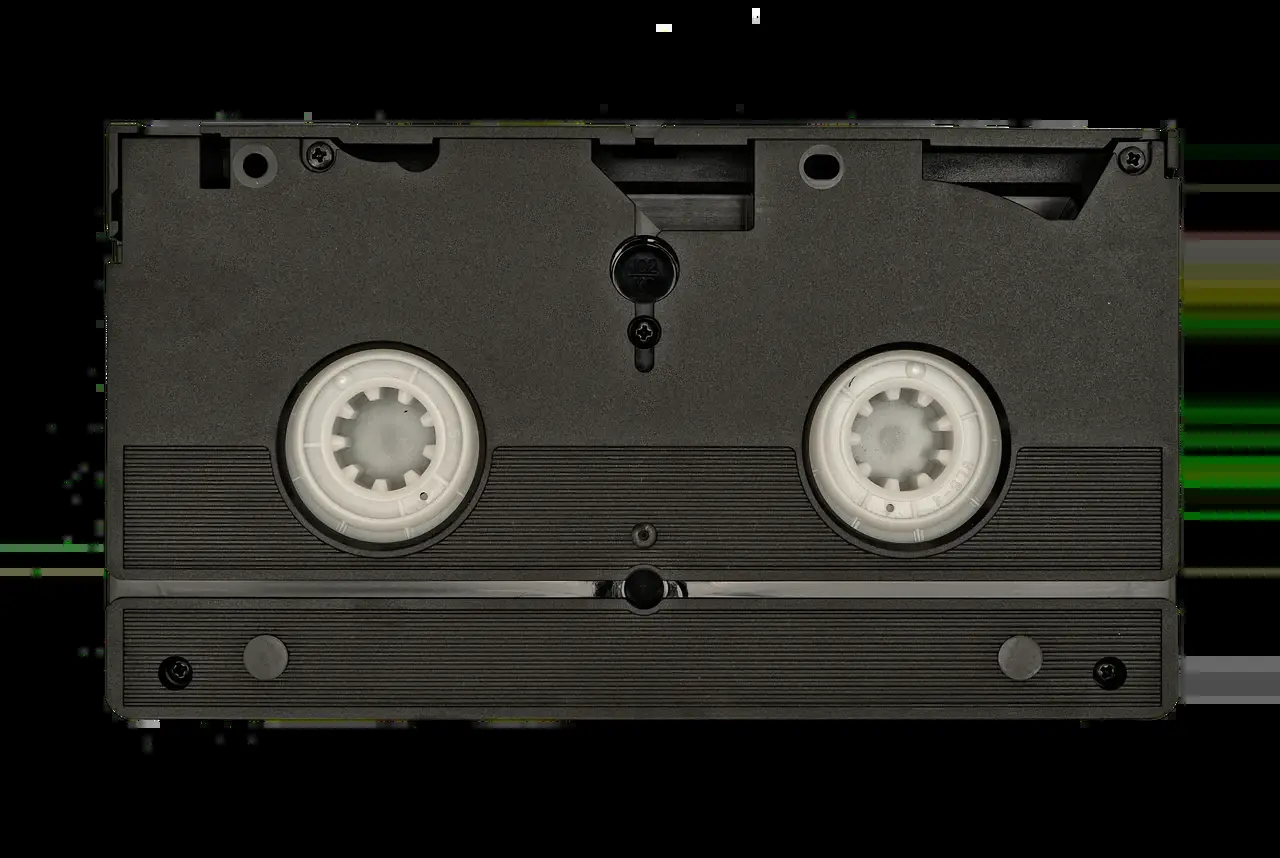
Fujifilm will spend 10 billion yen ($63.3 million) to raise magnetic tape production by as much as five times, the company's largest investment in tape storage in roughly 20 years. The money will expand capacity at its Odawara plant through fiscal year 2028 and support production of advanced cartridges holding up to 100TB each, according to Nikkei Asia. The trigger is a surge in demand from data center operators racing to build out AI infrastructure.
The irony is plain: the oldest storage medium in the industry is now one of its tightest supply bottlenecks. Fujifilm began working on magnetic tape in 1954, when it served television broadcasting equipment. Seventy years later, tape has become the default long-term backup medium for data centers, and AI workloads are straining supply faster than manufacturers can add lines. In short, the AI buildout has pulled a 1950s technology back into the center of the storage market.
Why is tape winning data center workloads?
Tape loses badly to solid-state drives and spinning hard disks on speed. It wins on two metrics that matter more for bulk archiving: durability and cost per terabyte. Magnetic tape storage can cost as little as one-quarter the price of hard disks, and considerably less than SSDs. That makes it the natural home for so-called cold data — information that is rarely accessed but must be kept safely because it is mission-critical. AI pipelines generate enormous volumes of such data, from training corpora to model checkpoints, and that volume is what is driving Fujifilm's expansion.
There is a second argument in tape's favor. Research shows tape storage is less polluting than hard disks and SSDs, a consideration that grows as operators face pressure over data center energy use. The takeaway is that tape survives not by competing on performance but by being the cheapest and cleanest place to park data nobody needs this second.
How far can the technology scale?
Fujifilm's 100TB cartridges are not the ceiling. The Linear Tape-Open (LTO) roadmap extends to 365TB per cartridge, roughly 40 percent beyond the largest SSDs on the market, which top out at around 256TB and cost considerably more. The roadmap figure is an industry target rather than a shipping product, while the 100TB capacity is what the Odawara expansion is built to produce. Even so, the gap between the two media is wide enough that tape has headroom for years of capacity growth.
Who else is chasing the AI storage shortage?
Fujifilm is not alone in repositioning for the data center boom:
- Toshiba announced earlier this month that it plans to double hard disk production capacity amid shortages.
- Seagate and Western Digital are working toward ever-increasing HDD capacities alongside Toshiba.
- Kioxia and SanDisk detailed 332-layer 3D NAND flash in August, aiming to bring higher capacities to data center SSDs.
The common thread is a market that has shifted its weight toward enterprise buyers. Storage demand from AI data centers sits at the heart of a global shortage that shows little sign of improving soon. Scarcity has pushed prices sharply higher, and manufacturers have diverted resources away from consumer products toward the more lucrative enterprise segment. For buyers of consumer drives and SSDs, that diversion is the practical consequence of the AI boom.
What happens next?
The $63.3 million Odawara investment runs through fiscal 2028, which sets the timeline for when the five-fold capacity increase should reach the market. If AI-driven cold storage demand keeps climbing at its current pace, tape — long treated as a legacy medium — will remain a growth business, and Fujifilm's bet suggests it expects the shortage, and the pricing power that comes with it, to persist well beyond this decade's midpoint.
Source: Tom's Hardware
More from Tom Whitfield
Show full bio
Staff writer covering companies, deals and strategy in Semiconductors, chip manufacturing, hardware, AI compute at Chip Dispatch.
728 articles
Related articles
fujifilm-plans-fivefold-lto-tape-expansion-by-fiscal
Fujifilm Plans Fivefold LTO Tape Expansion by Fiscal 2028
samsung-posts-783-profit-jump-to-record-80-billion-on-ai-chip-boom-0f5b131f
Samsung Posts 783% Profit Jump to Record $80 Billion on AI Chip Boom
semiconductor-equipment-demand-rises-as-ai-bubble-risks-mount-66a40b4a
Semiconductor Equipment Demand Rises as AI Bubble Risks Mount
ai-chip-boom-lifts-samsung-to-record-80-billion-profit-b7486f9e
AI Chip Boom Lifts Samsung to Record $80 Billion Profit