AI & Compute · 3 min read
GDS trims 2026 capex to RMB8.5 billion as utilization hits 81.2%
GDS cut 2026 capex guidance to about RMB8.5 billion from RMB10 billion while Q3 revenue rose 10.1% to RMB3,180.1 million and utilization climbed to 81.2% from 74.4%.
Key takeaways
- GDS cut 2026 capex guidance to about RMB8.5 billion from RMB10 billion, announced Nov. 25
- Q3 net revenue rose 10.1% to RMB3,180.1 million (US$474.3 million); adjusted EBITDA margin fell to 43.4%
- Utilization climbed to 81.2% from 74.4%; committed area grew 25.5% to 823,876 square meters
- Net income fell to RMB28.5 million after a RMB1,369.3 million prior-year C-REIT gain
- DayOne Data Centers put its planned US IPO on hold, Bloomberg reported
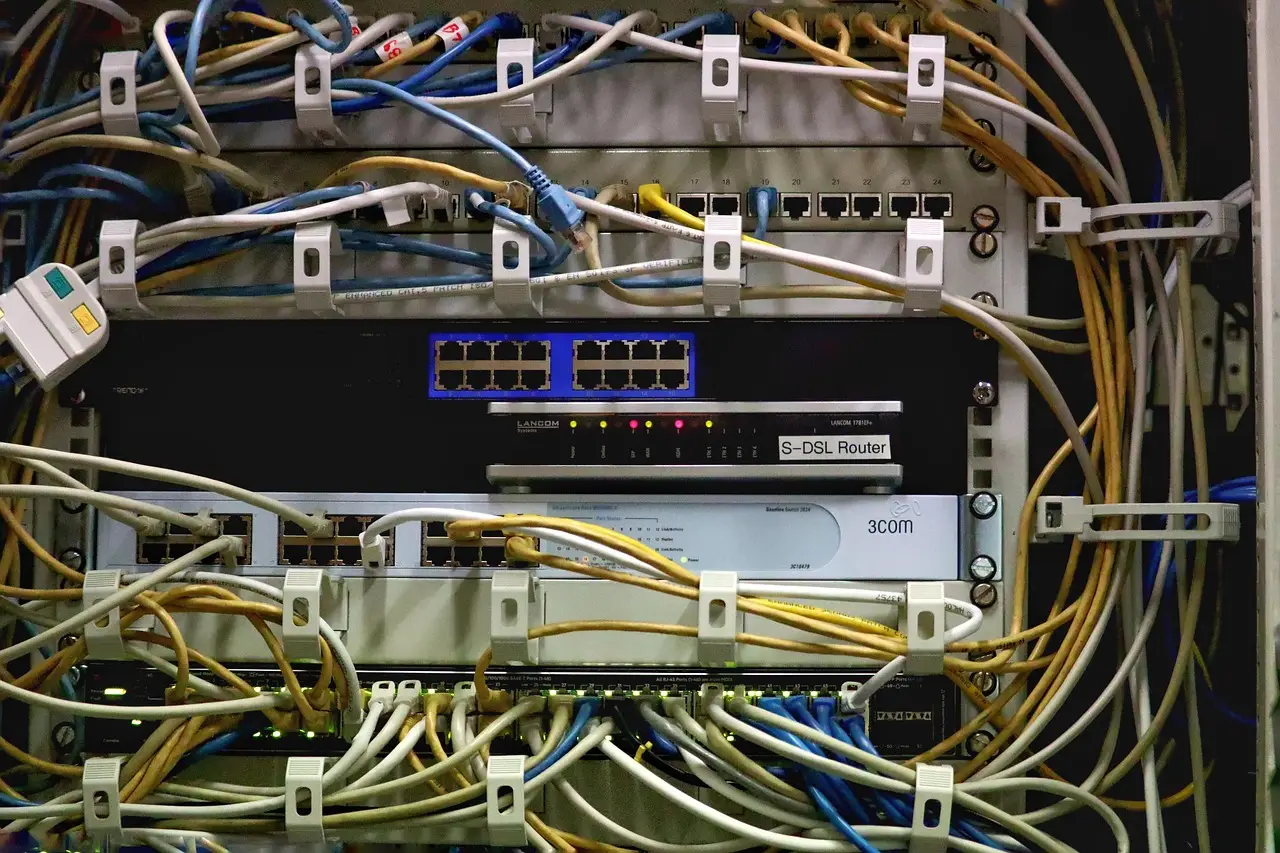
GDS Holdings, the Shanghai-based data center operator, cut its 2026 capital expenditure guidance to about RMB8.5 billion on Wednesday, Nov. 25, down from the RMB10 billion figure it set with its second-quarter results. Revenue and adjusted EBITDA guidance were left unchanged.
The reduction is the second turn in a short sequence. In August, GDS raised its 2026 capex plan to RMB10 billion from roughly RMB9 billion, citing strong sales. The new release offers no reason for the reversal. The August guidance it retained calls for RMB12.7 billion to RMB13 billion of revenue and RMB5.9 billion to RMB6.1 billion of adjusted EBITDA for the year.
What did the third quarter deliver?
Net revenue rose 10.1% from a year earlier to RMB3,180.1 million, or US$474.3 million. Adjusted EBITDA climbed 2.8% to RMB1,380.2 million. The margin moved the other way: 43.4%, down from 46.5% a year ago and 45.5% in the second quarter.
GDS blamed utility costs. The company attributed the compression mainly to "a higher level of utility costs as a percentage of net revenue," partly offset by corporate cost savings. Gross margin fell to 19.7% from 22.1%.
Net income collapsed to RMB28.5 million from RMB728.6 million a year earlier. The comparison flatters the prior year, which included a RMB1,369.3 million gain from deconsolidating subsidiaries in GDS's C-REIT transaction. Net loss available to ordinary shareholders was RMB5.5 million.
Income from equity-method investees came in at RMB38.6 million, against a loss of RMB461.1 million a year earlier and income of RMB959.9 million in the second quarter. The swing reflects GDS's minority stake in DayOne Data Centers, its international arm. DayOne put its planned US IPO on hold last week, Bloomberg reported.
Is the pipeline still growing?
The operational numbers argue that demand is not the problem. Utilization rose to 81.2% from 74.4% a year earlier and 79.2% in the second quarter.
- Area in service: 690,529 square meters, up 5.6%
- Area utilized by customers: 560,957 square meters, up 15.3%
- Committed and pre-committed area: 823,876 square meters, up 25.5%
- Net new commitments in the quarter: 39,074 square meters
- Area under construction: 191,930 square meters, up 163.8% year on year, 91.3% pre-committed
The growth in used area outpaced the growth in total area by nearly three to one. Customers are filling the sheds faster than GDS builds them.
"During the quarter, we secured strong new bookings while continuing to deliver our backlog, with customer move-ins driving higher utilization," Chairman and CEO William Huang said.
What does the balance sheet look like?
At Sept. 30, GDS held RMB17,817.8 million of cash and cash equivalents, against RMB9,277.5 million of short-term debt and RMB37,990.1 million of long-term debt. Net debt of roughly RMB29.4 billion sits against a business generating RMB1.4 billion of adjusted EBITDA a quarter.
Why does the capex cut matter?
A company that trims spending by 15% while revenue guidance holds steady is either conserving cash or slowing its expansion appetite. GDS did not say which, and the release gives no explanation. The construction pipeline complicates the picture: area under construction nearly tripled year on year, and it is 91.3% pre-committed, so the buildout is largely spoken for.
The margin trend is the more persistent question. Utility costs rising faster than revenue is a structural pressure on hyperscale leases, and a 3.1 percentage point annual decline in adjusted EBITDA margin will not reverse on its own. With 91.3% of construction pre-committed and utilization still climbing, the demand side looks secure; whether the RMB8.5 billion capex plan constrains 2027 deliveries is the question the next two quarters must answer.
mlq.ai (Source)
More from Nathan Brooks
Show full bio
Senior reporter covering people, launches and day-to-day practice in Semiconductors, chip manufacturing, hardware, AI compute at Chip Dispatch.
1,266 articles