GlobalFoundries to Run Two New York Fabs Under $21 Billion Plan
GlobalFoundries will operate two New York fabs under a U.S.-Japan initiative worth up to $21 billion. No capacity, timeline or funding split has been disclosed.
- By
- Sophie Lindqvist
- Filed
- Channel
- Chip Manufacturing
- Read
- 3 min read
By Sophie Lindqvist
GlobalFoundries will operate two semiconductor fabs in New York under a United States initiative with Japan worth up to $21 billion. That figure, reported by Pulse 2.0, marks the ceiling of the program rather than a committed spend. The announcement names the state, the operator and the partner country. It does not yet name a binding contract value.
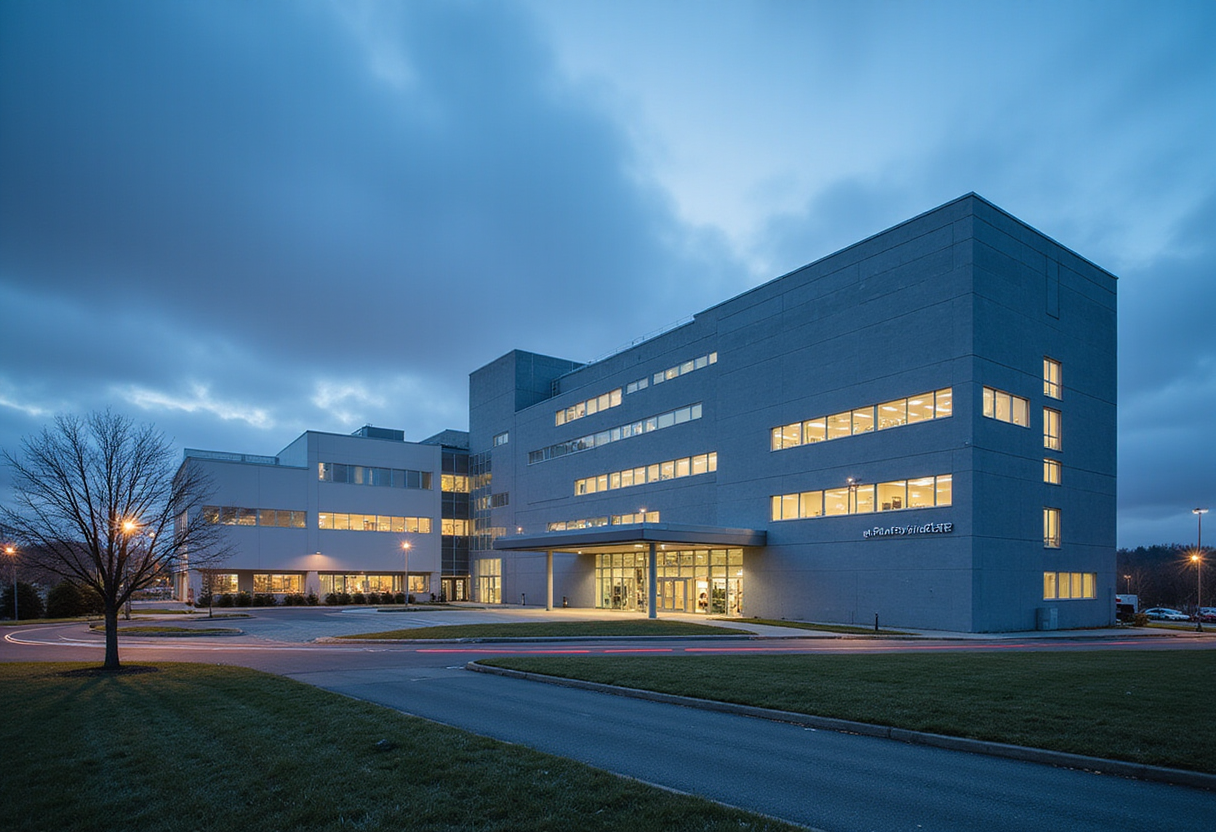
The deal pairs an American chipmaker with Japanese government backing. GlobalFoundries runs its main U.S. campus in Malta, New York. That site already produces chips on 300mm wafers for automotive, aerospace and defense customers. The two fabs in question sit at the center of the plan.
What is actually confirmed?
The confirmed facts are narrow. GlobalFoundries will operate the fabs. The initiative spans up to $21 billion. Japan is a partner in the program. Everything beyond that remains unstated.
Absent from the announcement:
- A breakdown of the $21 billion between the two fabs
- A split between U.S. and Japanese funding
- Any timeline for construction or tool installation
- Process nodes or capacity targets in wafers per month
- A named Japanese industrial partner, if one exists
The phrase "up to" carries weight here. It permits a final number far below $21 billion. Readers should treat the figure as a ceiling set by negotiators, not an order booked by the company.
Why Japan joins a New York project?
The geopolitical logic is straightforward. Washington wants trusted allies to fund capacity on American soil. Tokyo wants secure access to mature-node chips that feed its auto and industrial base. A fab in Malta serves both goals without either side building alone.
GlobalFoundries specializes in established process nodes rather than leading-edge lithography. Its chips power safety controllers, power management and radio components. Japanese carmakers depend on exactly this class of silicon. The 2021 chip shortage stalled auto plants worldwide and taught both governments that mature-node supply is strategic, not commodity.
That lesson explains the money. It does not explain the silence on capacity. No wafer-per-month figure appears in the material released so far.
What does this change for GlobalFoundries?
The company gains a funding path that does not rely solely on U.S. CHIPS Act disbursements. It also deepens a customer relationship with Japan at a moment when rival foundries are chasing the same mature-node demand.
Three competitive pressures frame the deal:
- TSMC continues to expand mature-node capacity in Japan and Arizona
- U.S. sanctions keep Chinese mature-node output both large and unpredictable in price
- Automotive customers increasingly sign long-term capacity agreements to avoid repeat shortages
GlobalFoundries has not disclosed projected revenue from the initiative. Any claim about earnings impact would be speculation. The company also has not said whether the fabs involve new construction, an expansion of existing Malta modules, or both. The word "operate" leaves all three readings open.
The gap between headline and contract
Skepticism is warranted on one point. Announcements of this kind often precede months of due diligence, permitting and appropriations. The $21 billion number may span multiple years and multiple programs folded into one headline. Pulse 2.0 does not specify a disbursement schedule.
New York fab projects also face practical constraints. Skilled trades, ultrapure water and power interconnects limit how fast any site can scale. Malta has infrastructure in place, which works in the project's favor. Still, no opening date has been stated.
Investors should watch for three markers in coming months: a signed definitive agreement, a CHIPS-style disbursement notice, and a capital expenditure line in GlobalFoundries filings that reflects the program. Until those appear, the $21 billion remains a policy intention dressed as an industrial fact.
The initiative signals durable demand for U.S.-based mature-node capacity, but its commercial weight will become clear only when GlobalFoundries publishes binding figures for spending, capacity and timeline.
Source: Google News: semiconductors
More from Sophie Lindqvist
Show full bio
News editor covering money, funding and market shifts around Semiconductors, chip manufacturing, hardware, AI compute at Chip Dispatch.
454 articles
Related articles
japan-commits-up-to-21-billion-to-two-us-fabs-under-globalfoundries-c2e03fb4
Japan Commits Up to $21 Billion to Two US fabs Under GlobalFoundries
globalfoundries-to-run-two-new-york-fabs-under-u-s-japan-program-b943cf2d
GlobalFoundries to Run Two New York Fabs Under U.S.-Japan Program
globalfoundries-plans-new-new-york-fab-in-deal-worth-up-to-3-3-trillion-af53d75c
GlobalFoundries Plans New New York Fab in Deal Worth Up to ¥3.3 Trillion
japan-to-put-up-to-21-billion-into-two-us-chip-factories-run-by-globalfoundries-bb088056
Japan to Put Up to $21 Billion Into Two US Chip Factories Run by GlobalFoundries