GlobalFoundries to Test Boston Dynamics' Atlas Humanoid in Chip Fabs
GlobalFoundries becomes the first non-automotive customer to test Boston Dynamics' Atlas humanoid, starting early 2027, as Spot expands to four fabs with 90,000 inspections logged.
- By
- Tom Whitfield
- Filed
- Channel
- Chip Manufacturing
- Read
- 3 min read
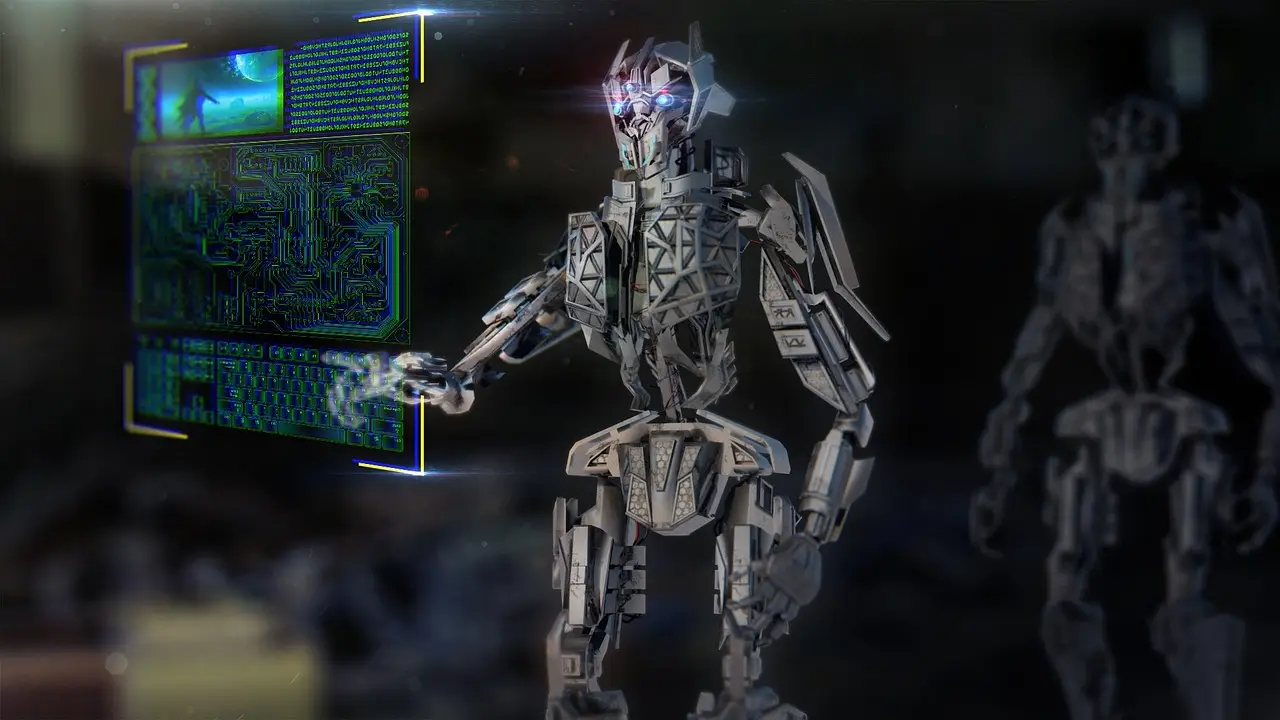
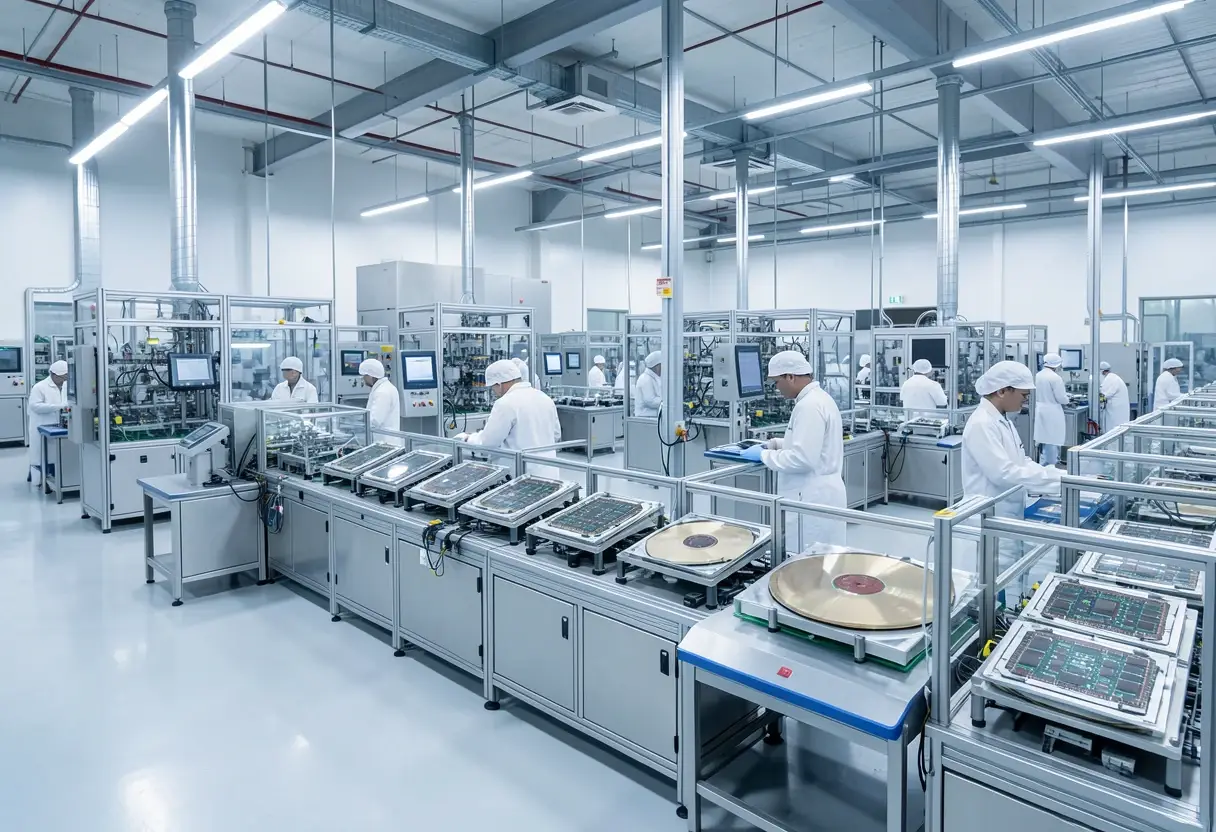
GlobalFoundries will become the first customer outside the automotive industry to test Boston Dynamics' Atlas humanoid robot, with on-site trials at its chip fabrication facilities starting in early 2027. The announcement, made by Boston Dynamics on Tuesday, marks the first program of its kind in semiconductor manufacturing and extends an automation partnership that already spans four fab sites on three continents.
What will the Atlas trial involve?
The companies framed the effort as an early adopter program and a skills development workshop. Its stated aims are to evaluate possible humanoid use cases in a fab environment, assess what integration work those uses demand, and begin training Atlas for specific tasks.
Several details remain undisclosed. The companies did not say how many Atlas robots will take part, which facilities will host them, or which tasks the robots will attempt first, as The Robot Report noted. The absence of a unit count or task list signals that this is an evaluation, not a committed deployment, and the commercial terms stay private for now.
The timing aligns with Boston Dynamics' stated production plans. At CES 2026, when the company showed the production version of Atlas, it said the initial run that year was fully committed to parent company Hyundai Motor Group and to Google DeepMind, and that it planned to work with additional customers from early 2027. GlobalFoundries sits at the front of that second wave.
Where is Spot already working?
Atlas arrives on the back of an established track record with Boston Dynamics' quadruped. GlobalFoundries has used Spot for inspections at its Burlington, Vermont site for more than four years. Under the expanded agreement, Spot deployments will extend to fabs in Malta, New York; Burlington, Vermont; Dresden, Germany; and Singapore.
The Singapore numbers give the clearest measure of performance. Two Spot robots there have completed more than 90,000 inspections in sub-fab areas since April, with a 99% mission success rate. Over the same period the pair has traveled nearly 900 kilometers beneath the fab floor, according to the companies.
"Spot has helped us shift from reactive to predictive maintenance, collecting data across thousands of inspection points to prevent downtime and keep our fabs running more efficiently," said Pradip Singh, chief manufacturing officer at GlobalFoundries. "Scaling Spot and testing Atlas are the next steps in our journey to AI-enabled manufacturing."
Why does a humanoid fit a semiconductor plant?
The Atlas program tests a different proposition from Spot's inspection rounds. A humanoid form factor, with two arms and hands, can in principle perform tasks designed for human workers, such as parts handling and sequencing, without re-engineering the work environment. For a foundry, that matters because fab labor is costly, tightly trained, and in chronically short supply.
The automotive world offers the template. Hyundai plans to deploy 25,000 Atlas robots across Hyundai Motor and Kia plants over the next several years, according to The Robot Report, and Atlas is already being trained for parts sequencing and material handling at a center near Savannah, Georgia. GlobalFoundries will effectively test whether that same task profile transfers to semiconductor manufacturing.
Boston Dynamics is also iterating quickly on the platform itself. Earlier this month, the company showed an experimental wheeled version of Atlas used to test whole-body reinforcement learning, suggesting the robot's locomotion and control software remain in active development even as commercial pilots approach.
What remains uncertain?
The economics are untested. Neither company disclosed what a Spot fleet costs to run at fab scale, what Atlas units will cost, or how quickly a humanoid can reach the reliability that a 24/7 fabrication environment demands. Spot's 99% mission success rate in Singapore sets a high internal benchmark that Atlas, a far more complex machine, must approach before it earns a permanent role.
The early 2027 start date gives Boston Dynamics roughly a year to convert an automotive training program into something a foundry can use, and the industry will watch whether the first humanoid in a semiconductor plant performs or stalls.
Source: mlq.ai
More from Tom Whitfield
Show full bio
Staff writer covering companies, deals and strategy in Semiconductors, chip manufacturing, hardware, AI compute at Chip Dispatch.
1,054 articles
Related articles
asu-and-ampere-unveil-dt-match-chiplet-matching-framework
ASU and Ampere Unveil DT-MATCH Chiplet Matching Framework
samsung-sk-hynix-micron-pursue-robot-charging-standard
Samsung, SK hynix, Micron Pursue Robot Charging Standard
tsmc-posts-record-nt-587-billion-month-shares-fall-9-7-anyway
TSMC Posts Record NT$587 Billion Month; Shares Fall 9.7% Anyway
tsmc-signs-seven-year-xintec-deal-to-expand-cowos-packaging-through
TSMC Signs Seven-Year Xintec Deal to Expand CoWoS Packaging Through 2033