Hedge Funds Dumped Tech at Near-Record Pace, Then Chips Jumped 7%
Goldman data shows hedge funds sold tech near record pace before the Philly Semi Index jumped 6.9%, its best day since July 30; SOXX closed up 7.49% at $146.76.
- By
- Rebecca Stone
- Filed
- Channel
- Semiconductors
- Read
- 4 min read
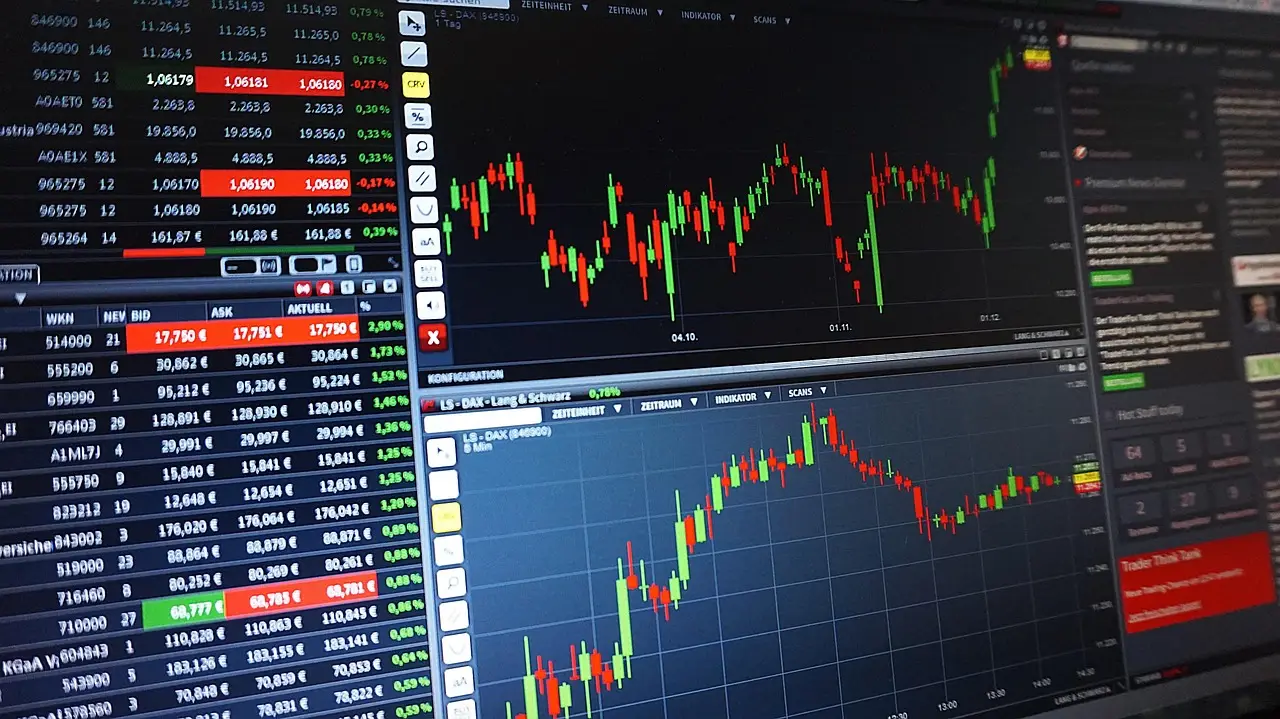
Hedge funds sold technology stocks last week at a pace rivaling the highest levels on record since 2016 — and the very morning that data surfaced, the Philadelphia Semiconductor Index jumped 6.9%, its best day since July 30.
The iShares Semiconductor ETF (NASDAQ:SOXX) closed November 9 at $146.76, up $10.23, or 7.49%, then eased to $146.41 after hours. The VanEck Semiconductor ETF (NASDAQ:SMH) gained $23.45, or 5.05%, to $487.41. The Invesco QQQ Trust (NASDAQ:QQQ) rose 3.54% to $679.35.
The numbers behind the whipsaw come from Goldman Sachs prime brokerage data through November 6, 2026. Tech was the most heavily net-sold sector globally and in the U.S. The purge triggered the biggest wave of single-stock net selling in four months. Funds also dumped U.S. industrials at the fastest pace since April 2020.
For chip fund holders, one question now dominates: how much of the selloff was forced deleveraging, and how much was a genuine reappraisal of AI demand?
What does the leverage data show?
Among U.S. fundamental long/short funds, gross leverage fell 8.7 percentage points to 207.5% — the largest drop since March 2020. Gross leverage counts a fund's total long plus short positions against its capital, so a cut that size means funds slashed both sides at once.
Net leverage, which measures how much a fund leans on the market's direction, fell 3.7 points to 43.3%. That was the steepest decline since the April 2025 "Liberation Day" tariff week. By November 6, funds had flipped to net buyers, mostly covering index and ETF shorts.
The setup was a post-midterm rout. On November 5, the Nasdaq-100 suffered its deepest drop since the Covid pandemic, erasing $2.3 trillion in market value in a single session.
The rebound on November 9 was broad. The S&P 500 rose 2.4%, or 173.08 points, to 7,549.94. The Nasdaq Composite gained 2.7% to 25,253.14, and the Nasdaq-100 added 3.4%.
Bespoke Investment Group captured the oddity in a November 9 post on X: "The semis are up 5% even though its biggest member is down 5%. Wild times." A rally that broad likely helped SOXX more than SMH, since a fund weighted harder toward its largest holding would trail on a day like that.
Why did chips bounce harder than the market?
Short covering explains much of it. Funds cut shorts alongside longs during the rout, and buying those shorts back can push prices up fast even when nobody has fresh conviction in the stocks.
Wall Street strategists split on what comes next. JPMorgan's Dubravko Lakos-Bujas said the unwind of long momentum positions against the market was the largest in roughly 40 years and called the pullback largely a "deleveraging event." He and his team held their year-end S&P 500 target at 8,000.
Morgan Stanley's Michael Wilson said the correction is in its final phase, with the S&P 500 nearing his downside target of 7,300 to 7,100. Citigroup strategists cut U.S. stocks and global tech to neutral.
Light positioning can support a rebound. It says nothing about when selling stops. Funds can resume selling if chip guidance or AI spending plans weaken.
What does washed-out positioning mean for SOXX holders?
The evidence points to a positioning-driven selloff. Gross leverage fell far more than net leverage — a pattern that looks like forced risk-cutting, not a permanent change in how funds value semiconductors.
SOXX still holds a 46.45% gain year to date after a 21.29% drop over the past month. SMH is up 35.34% for the year after a 19.21% monthly decline. QQQ, which diversifies into software, retail and consumer names, fell 9.57% over the month and sits up 10.59% for the year.
The next test arrives at 8:30 a.m. ET on November 10, with the October CPI report. A hot inflation print followed by a SOXX close below $136.53 — where the fund started on November 9 — would break the case that this was mere deleveraging.
Source: 247wallst.com
More from Rebecca Stone
Show full bio
Correspondent covering technology and product news in Semiconductors, chip manufacturing, hardware, AI compute at Chip Dispatch.
832 articles
Related articles
nasdaq-100-rallies-3-4-as-chip-stocks-surge-and-nvidia-sinks
Nasdaq-100 Rallies 3.4% as Chip Stocks Surge and Nvidia Sinks
record-etf-trading-exposes-the-semiconductor-sell-off-risk
Record ETF Trading Exposes the Semiconductor Sell-Off Risk
soxx-drops-28-peak-morgan-stanley-sees-10-15-more-downside
SOXX Drops 28% From June Peak; Morgan Stanley Sees 10-15% More Downside
smh-heads-for-longest-losing-streak-6d9b0b59
SMH Heads for Longest Losing Streak Since May 2025