Memory & Storage · 4 min read
Huang's Return as NVIDIA CEO Sends Memory Stocks Soaring
SanDisk surged 22% to $96.87 after NVIDIA reinstated Jensen Huang as CEO, carrying $390B in memory-heavy supply commitments. Seagate rose 18%, Micron and Western Digital 16% each.
Key takeaways
- SanDisk rose 22% to $96.87 on November 23 after an 8-for-1 stock split effective November 19.
- NVIDIA reinstated Jensen Huang as CEO on November 23; the stock rose 27% to $159.81.
- NVIDIA disclosed $390 billion in supply commitments, mostly memory, in Q3 FY2027 results.
- SanDisk guided Q2 FY2027 revenue of $12.20–12.60 billion; Micron guided Q1 FY2027 revenue of $61.50 billion ±$1.5 billion.
- SanDisk is up 226% year to date despite a 44% decline over the past month.
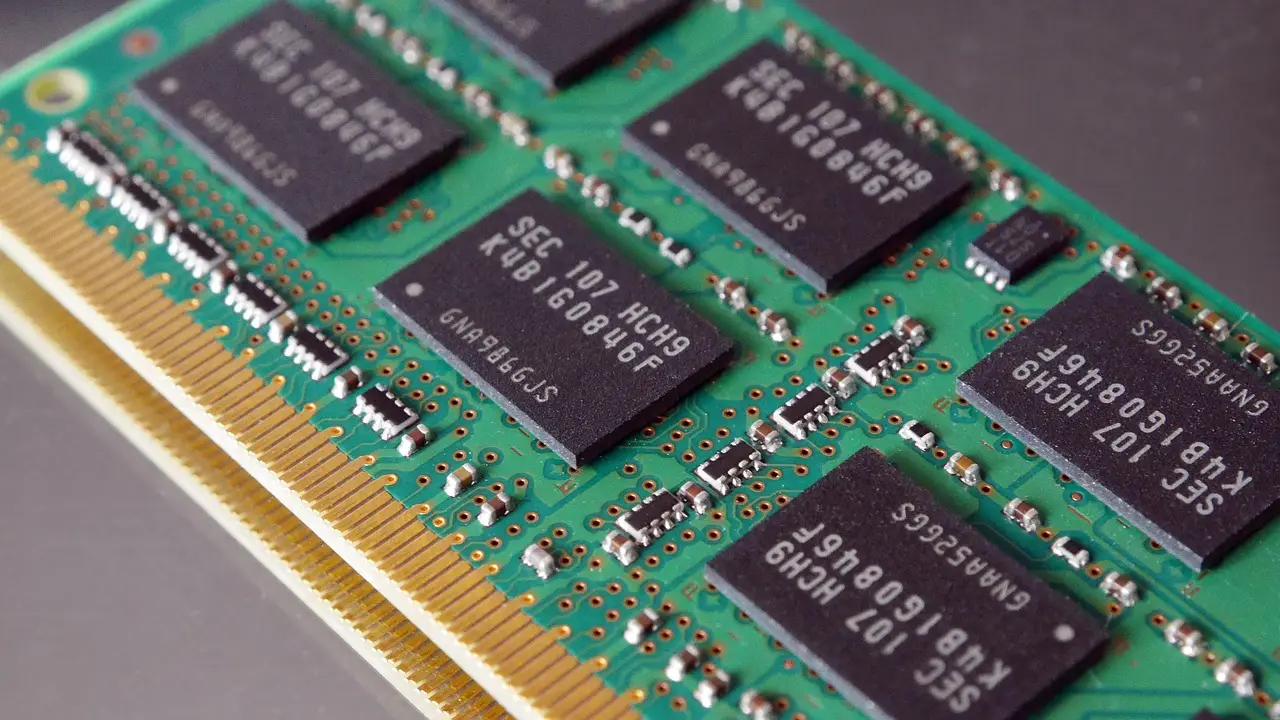
SanDisk stock jumped 22% to $96.87 in morning trading on November 23, leading a broad rebound in memory and storage names after NVIDIA's board reinstated Jensen Huang as president and CEO. The share price reflects an eight-for-one forward stock split that took effect November 19. That mechanical fact matters. The pre-split level sits far above the quoted figure, and casual comparisons would mislead.
Seagate Technology followed at $541.45, up 18%. Micron Technology traded at $687.47, up 16%. Western Digital, at $304.12, gained the same 16%. Every close peer of SanDisk posted a double-digit gain, yet the flash maker led the pack.
Why does the CEO change move memory stocks?
NVIDIA announced on November 23 that Huang returns as president and CEO, effective immediately, after a unanimous board vote. "I can't wait to get back to work," Huang said. NVIDIA stock rose 27% to $159.81 on the news.
The reinstatement reverses a leadership shake-up from earlier in the month. On its November 17 earnings call, NVIDIA said Huang had voluntarily resigned as president, CEO and board member, with Colette Kress stepping in as interim CEO. On that same call, the board stated it "does not intend to reinstate Jensen as CEO." The reversal came within days.
The memory connection runs through supply commitments. NVIDIA disclosed $390 billion in supply commitments, mostly for memory, in its Q3 FY2027 results. That makes NVIDIA the single biggest driver of AI memory and storage demand. Traders read stability at the top of NVIDIA as good news for the entire memory trade, and technology led the broader market higher.
How large was the preceding decline?
The bounce follows a steeper slide. Over the past month:
- SanDisk fell 44%.
- Micron fell 25%.
- Seagate fell 22%.
- Western Digital fell 20%.
A steeper decline set up SanDisk's larger rebound. Year to date, however, all four stocks remain far ahead: SanDisk up 226%, Micron up 141%, Seagate up 97% and Western Digital up 77%.
What separates these four businesses?
Flash memory is the whole of SanDisk's business, with enterprise solid-state drives for AI infrastructure as its fastest-growing market. SanDisk produces its flash wafers through joint venture arrangements with Kioxia and sells part of its output under long-term customer agreements that include prepayments.
Seagate sells hard disk drives built for mass-capacity storage, with hyperscale cloud providers as key customers. Its roadmap rests on Heat-Assisted Magnetic Recording through the Mozaic platform, targeting higher-capacity drives. Micron covers the most ground, selling DRAM, NAND and high-bandwidth memory that feeds AI accelerators.
Western Digital now focuses on hard drives and retains an ownership interest in SanDisk, which separated as an independent public company on February 21, 2025. That mix leaves SanDisk with the purest flash exposure in the group and helps explain why its swings run larger in both directions.
Relief rally or a durable recovery?
The bullish case rests on demand. SanDisk guided for Q2 FY2027 revenue of $12.20 billion to $12.60 billion. Kress, then interim CEO, said on the November 17 call: "We've secured memory, we've secured advanced packaging." Procurement, not sentiment, anchors that argument.
The bearish case has substance too. NVIDIA's board turned course within a week of saying it would not. The company's November 17 results also listed an ongoing independent board committee investigation among its risks. The source does not say what the investigation covers. Low valuations on SanDisk and Micron may signal the market doubts the rally's durability.
Micron faces its own test: whether its upcoming quarterly report meets Q1 FY2027 revenue guidance of $61.50 billion, plus or minus $1.5 billion. The calendar adds pressure, with the S&P Global flash Purchasing Managers' Index due November 23, the Personal Consumption Expenditures price index due November 25 and U.S. markets closed November 26 for Thanksgiving.
A 22% single-session move prices in a great deal of good news. Whether NVIDIA's $390 billion in supply commitments converts into sustained memory demand, or this proves a one-day relief rally after a 44% monthly drawdown, will show in SanDisk's Q2 results and Micron's next report.
247wallst.com (Source)
More from Sophie Lindqvist
Show full bio
News editor covering money, funding and market shifts around Semiconductors, chip manufacturing, hardware, AI compute at Chip Dispatch.
1,256 articles