Impossible Metals Robot Harvests Seabed Nodules Below 4,000 Meters
Impossible Metals says an AI robot picked 450 grams of battery-metal nodules below 4,000 meters in the Pacific. The FedEx founding family is now its second-largest shareholder.
- By
- Grace Kim
- Filed
- Channel
- Startups & Funding
- Read
- 3 min read
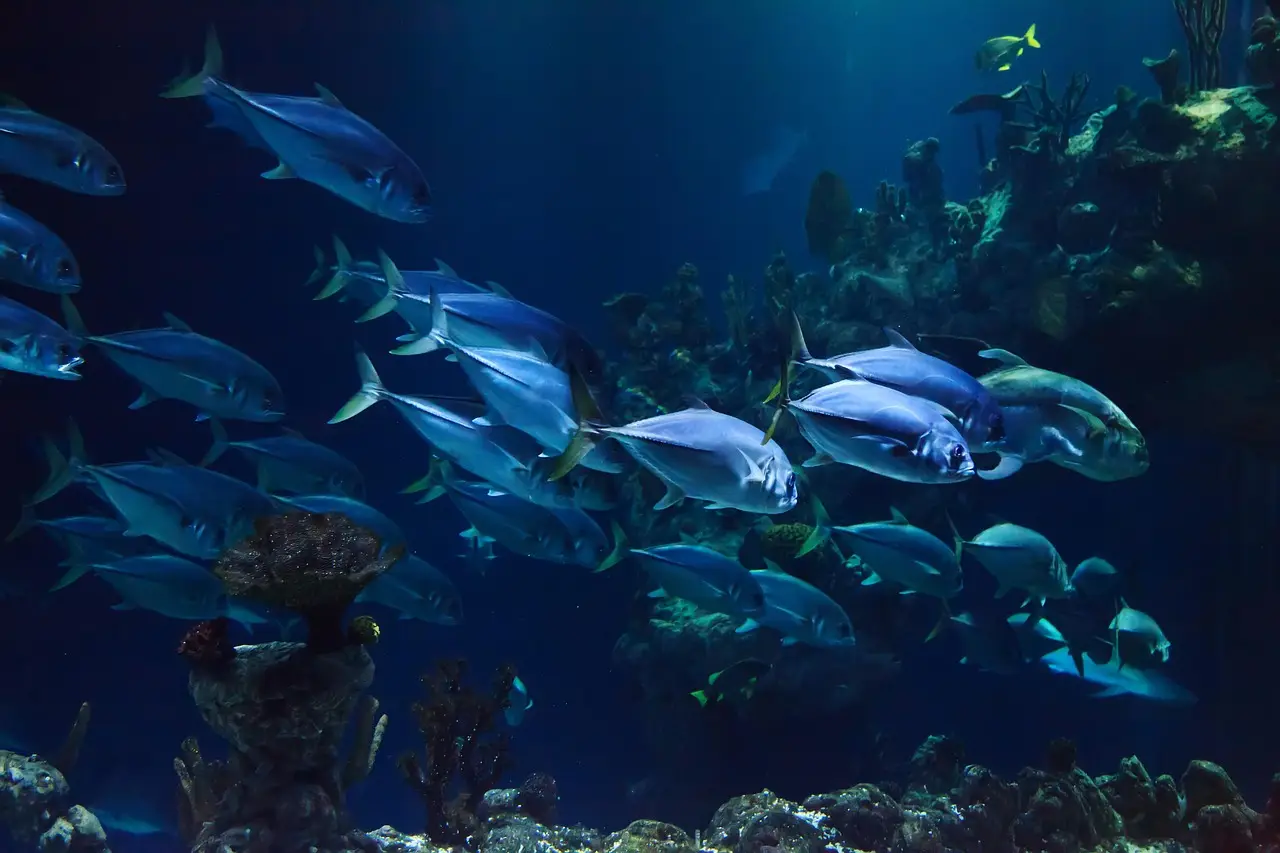
Impossible Metals said on Monday its autonomous robot collected polymetallic nodules from the Pacific seabed at depths beyond 4,000 meters, or 13,123 feet. The test returned roughly 450 grams of nodules to the surface. The company disclosed the result after a scientific expedition in September.
The nodules are potato-sized rocks rich in copper, nickel and other battery metals. The robot descended to the seafloor, picked the rocks and resurfaced. Impossible Metals did not name the test site or the vessel.
How does the robot differ from rival collectors?
The startup, backed by Y Combinator, says its machine uses a large claw and AI to pick nodules selectively and avoid marine life. Most deep-sea mining companies plan vacuum-style collectors instead. Environmental groups have criticized those systems for the damage they can cause on the seafloor.
The company positions the claw-and-camera approach as an alternative that leaves the surrounding sediment and ecosystem largely intact. Results from the September test will shape a larger version of the robot, the company said.
Who is funding the company?
The Smith family of FedEx founder Fred Smith joined the company's Series A round, which closed earlier this year. The family is now the second-largest shareholder in Impossible Metals.
The company did not disclose the round's size. Media reports put it near $25 million at a valuation of about $110 million. Richard Smith, vice chairman of the family office FWS Enterprises, said the robot plucks "these nodules off the seabed floor without disturbing the environment" and called the investment "substantial."
The backing gives the startup a deep-pocketed patron as it scales from a 450-gram proof of concept toward a commercial harvester. The family office declined to state an exact investment figure.
What approvals stand before commercial mining?
Impossible Metals cannot mine commercially yet. It needs approval from the International Seabed Authority or the U.S. government.
The company has moved on the U.S. track. In April 2025 it asked the Bureau of Ocean Energy Management to start leasing in American waters off American Samoa. Federal officials are now moving toward a lease sale there, according to Legis1. The sale would offer two leases.
Some stakeholders have challenged the process on environmental grounds. The outcome of that dispute and the ISA's own slow-moving rulemaking will determine when any nodule tonnage reaches the market.
Why do battery metal buyers care?
Each nodule carries copper, nickel and other metals central to battery supply chains. Land-based nickel and copper supply is concentrated in a small number of countries, and automakers have searched for alternative sources for years. Nodule harvesting, if approved, would add a new supply route that bypasses terrestrial mines altogether.
The 450-gram haul is tiny. It is a proof of engineering, not a shipment. The distance between this test and commercial volumes remains the central question for the company and its investors.
Impossible Metals says data from the dive will feed the design of a larger robot. That machine, and the fate of the American Samoa lease sale, will show whether selective AI harvesting can move from a single claw at 4,000 meters to a revenue-generating operation in battery metal supply chains.
Source: mlq.ai
More from Grace Kim
Show full bio
Market editor covering people, launches and day-to-day practice in Semiconductors, chip manufacturing, hardware, AI compute at Chip Dispatch.
804 articles
Related articles
monazite-ore-emerges-as-west-s-answer-to-china-s-rare-earth-grip-943c4cfb
Monazite Ore Emerges as West's Answer to China's Rare-Earth Grip
unicorn-board-hits-1-900-companies-adds-96-billion
Unicorn Board Hits 1,900 Companies as October Adds $96 Billion
founders-file-patents-with-ai-the-cheapest-draft-may-cost-the-most
Founders File Patents With AI. The Cheapest Draft May Cost the Most
anthropic-retracts-70-billion-ipo-document-days-before-roadshow
Anthropic Retracts $70 Billion IPO Document Days Before Roadshow