Hardware & Components · 3 min read
Infineon and AUSTRIACARD show battery-free LED payment cards at Trustech
Infineon and AUSTRIACARD will show battery-free payment cards with up to three white LEDs at Trustech in Paris. The cards harvest 5–50 mW from NFC readers; the glow cannot confirm a payment.
Key takeaways
- Infineon and AUSTRIACARD show LED-embedded, battery-free payment card samples at Trustech in Paris this Tuesday to Thursday.
- Cards draw 5–50 mW from NFC readers, supporting a maximum of three white LEDs per Infineon's blog.
- SECORA Pay family, including the LED-inlay solution, launched in 2023.
- Razer Fintech's IDEMIA-made glowing prepaid Visa in Singapore went to 1337 users from October 2020 to January 2021.
- Giesecke+Devrient, Thales and Composecure have also introduced LED payment cards.
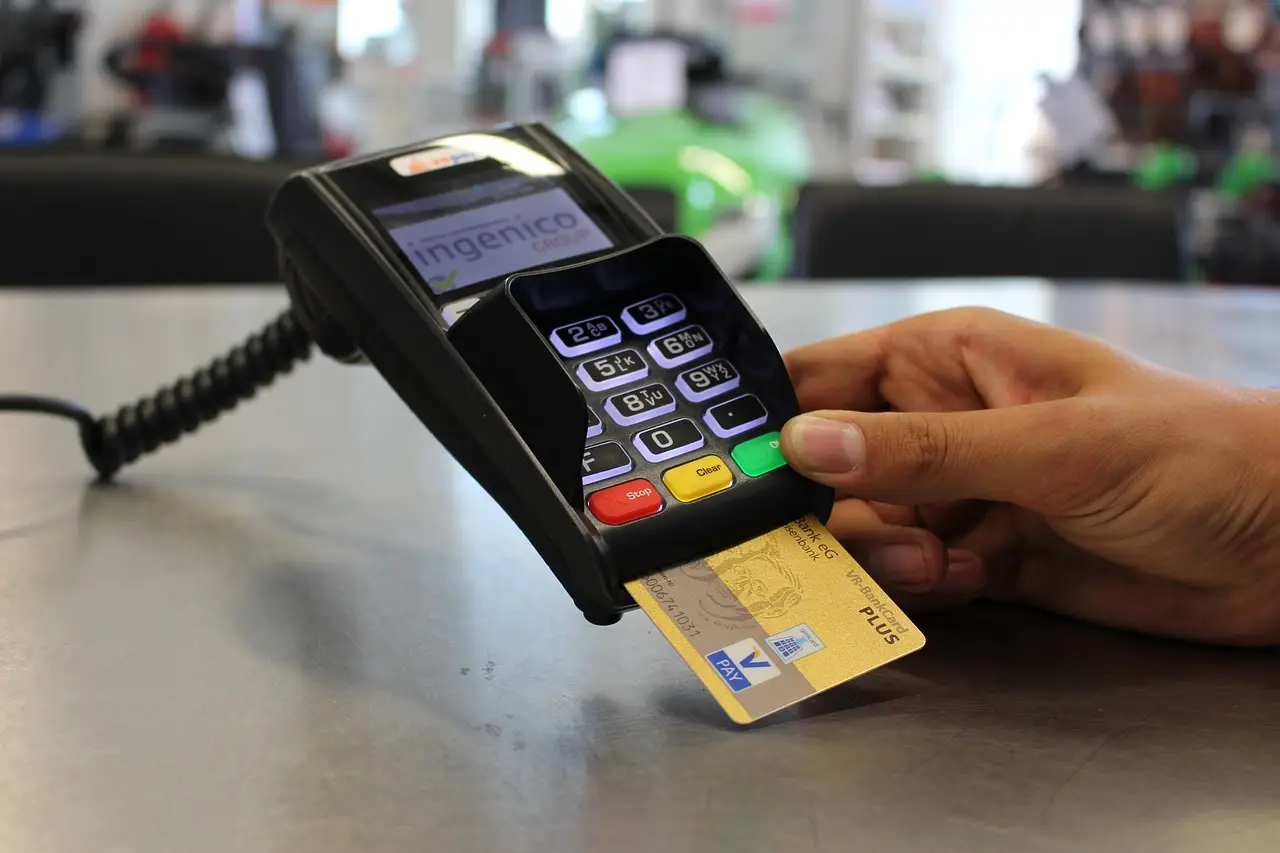
Infineon and AUSTRIACARD will show samples of payment cards with embedded LEDs at Trustech in Paris this week, running Tuesday through Thursday. The cards carry no battery. They draw the power they need from NFC card readers and light up when tapped at a payment terminal.
The energy budget is tight. NFC readers emit a small amount of electromagnetic energy, typically in the range of 5 to 50 milliwatts, enough to read the NFC tag's ID. Infineon's blog states that a maximum of three white LEDs can be embedded in a card. The limit reflects the small amount of energy an NFC field transfers.
Who builds what
Infineon Technologies is a German semiconductor manufacturer specializing in power systems and IoT solutions. It introduced the SECORA Pay family in 2023 as part of its security and smart card solutions, including the LED-inlay technology. AUSTRIACARD is the card manufacturer. It takes Infineon's supplied SECORA Pay technologies and turns them into finished cards that financial institutions issue to their customers.
Infineon will be at Trustech 2026 this Tuesday to Thursday, showcasing its SECORA Pay solutions, including the sparkling LED-inlaid payment cards, according to the company's blog.
What the glow actually signals
The light cannot confirm a payment. It is, in effect, decoration. It is unlikely the LEDs will have controllers to change colors or be used to signal a confirmed transaction. The glow looks cool, but it does not tell the cardholder anything about the state of the payment.
The context for the technology is the near-total shift to NFC in card payments. Swiping is nearly obsolete. Chip reading survives mainly for ATM transactions. NFC antennas in bank cards are completely passive, which is why the reader's field, not a battery, must supply the power for the LEDs.
Not the first glowing card
Razer Fintech released a prepaid Visa card in Singapore with a glowing green Razer logo, made by the security and payment card company IDEMIA. The limited edition card was open to 1337 selected users from October 2020 to January 2021.
Giesecke+Devrient, Thales, and Composecure have also introduced LED payment cards in recent years. Glowing payment cards remain rare, but these companies and AUSTRIACARD may make them a more common sight in the coming years.
Where the business case sits
The likely volume market is brand awareness, not personalization. Large-quantity card issues with designs intended to raise brand recognition are the expected use case. There is little on offer for end-user customizability or custom-order cards, so issuers, not consumers, drive the demand.
For Infineon, the LED inlay extends SECORA Pay into a differentiated offering for card manufacturers at a time when the payment card itself has become a commodity item with few visible features. If issuers adopt the design at scale, AUSTRIACARD and its peers gain a premium card segment, and Infineon gains silicon and inlay volume — with the glow doing no more work than a logo printed in ink.
Tom's Hardware (Source)
More from Grace Kim
Show full bio
Market editor covering people, launches and day-to-day practice in Semiconductors, chip manufacturing, hardware, AI compute at Chip Dispatch.
1,360 articles