Chip ManufacturingLOT 261119 · 3 min read
Intel Burns Cash Through 2027 as Foundry Loses $1.85B a Quarter
Intel's free cash flow yield sits at -1.70% and its foundry lost $1.85B last quarter. CFO Zinsner rules out positive FCF next year as capex heads higher.
Key takeaways
- Intel stock fell 40.6% in a month to $54.67, down from a 52-week high of $142.35.
- Foundry lost $1.85B last quarter; free cash flow yield is -1.70%.
- Data Center and AI revenue rose 78% to $7.32B in Q3.
- Nvidia bought $5B of Intel stock; Intel signed its first external 18A customer.
- Q4 guidance cuts gross margin to 38.0% from 44.1%; Fab 28 incident costs ~$300M in revenue.
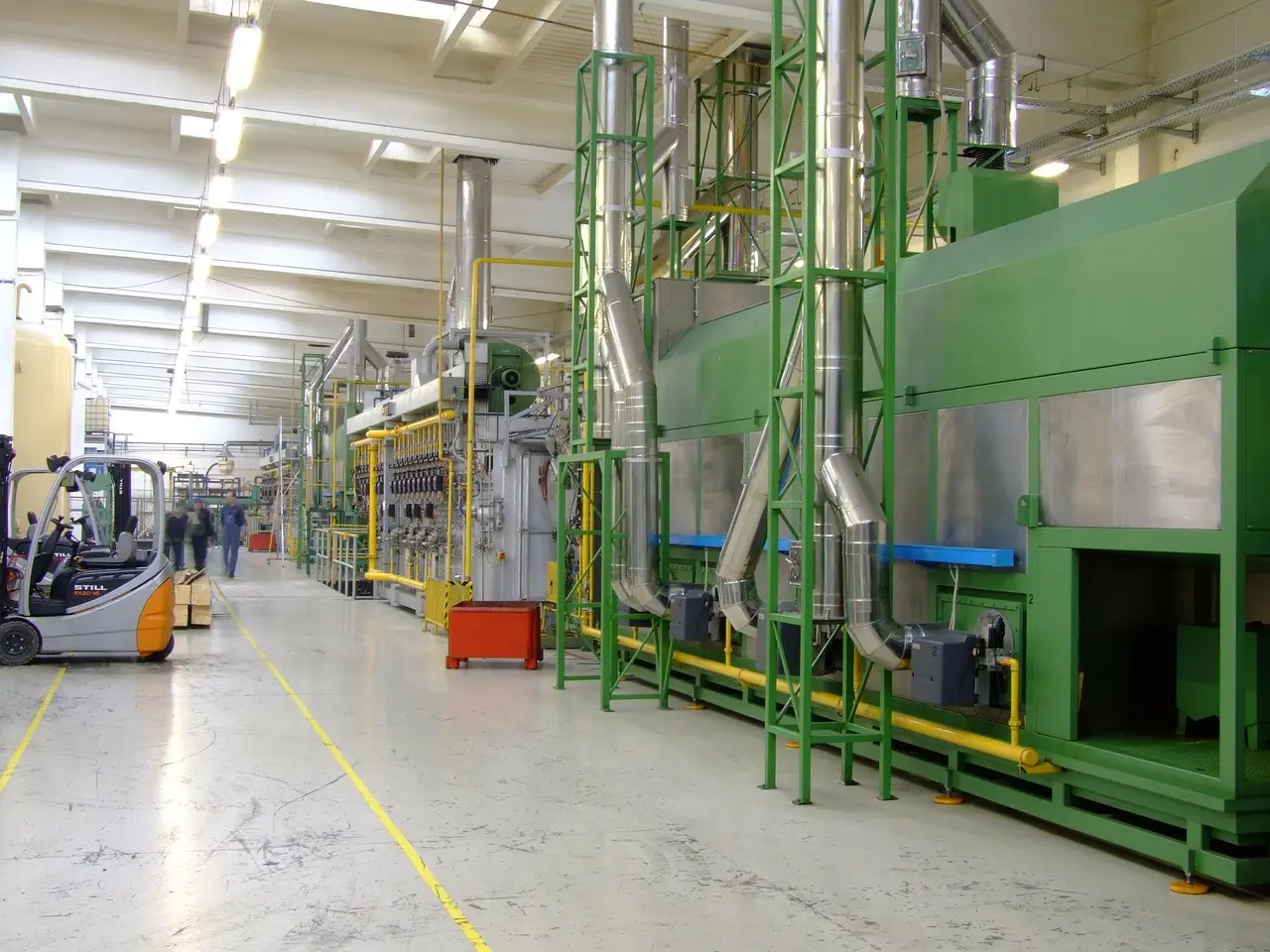
Intel's free cash flow yield stands at -1.70%, and management says the burn will not stop next year. The stock trades at $54.67 after falling 40.6% in a single month. Shareholders have sued the company over the plunge from a 52-week high of $142.35, set before the third-quarter report triggered the collapse.
The core problem is spending. Gross capex will reach $20 billion this year, and CFO David Zinsner expects 2027 spending to come in "up strongly." The foundry business lost $1.85 billion last quarter alone. Zinsner was blunt on the timeline: next year is "probably not a dynamic where we're going to have positive free cash flow."
What went wrong in the fourth quarter?
Fourth-quarter guidance cuts non-GAAP gross margin to 38.0% from 44.1%. Non-GAAP EPS guidance drops to $0.25. Management expects client revenue to fall more than 20% sequentially. The Fab 28 incident removes roughly $300 million from fourth-quarter revenue, and a similar hit is likely in the first quarter.
Analysts have responded. They cut the 2027 EPS consensus to $1.7905 from $2.0906, with 35 downward revisions. Funding needs have also diluted holders: shares outstanding rose to 5.307 billion from 4.856 billion at the end of 2025.
What still supports the bull case?
The third quarter was not weak everywhere. Data Center and AI revenue jumped 78% to $7.32 billion, and division operating income rose to $3.04 billion from $964 million. Foundry revenue grew 58%. Intel beat EPS estimates for the fourth consecutive time, posting non-GAAP EPS of $0.52 against a $0.40 consensus.
Three external commitments anchor the recovery story:
- Microsoft deepened its Azure collaboration with Intel.
- Nvidia bought $5 billion of Intel stock.
- Intel signed its first external customer for its 18A process node.
Intel holds roughly $54 billion in cash and short-term investments. Management expects the industry to stay supply-constrained through 2027 and into 2028.
Can 2027 mark the turn?
Zinsner offered a timeline. He said Intel 3 will be "profitable next year" and called 2027 "a knothole" before returns of 20%. He attributed the cash pressure to timing: "That's a lot of investment all hitting us in one year."
The word "knothole" is a promise, not a forecast with numbers attached. The source does not say when the foundry reaches breakeven. It does not quantify the 20% returns. Investors watching for confirmation should track additional 18A customer wins and shrinking foundry losses over the next two to three quarters.
What do analysts expect?
The consensus price target of $90.65 implies 65.8% upside from $54.67. That figure deserves scrutiny. Many targets were set before the latest estimate cuts. Ratings from 49 analysts break down as follows:
- Strong Buy: 1
- Buy: 11
- Hold: 36
- Sell: 1
The valuation remains rich for a company burning cash. The forward P/E is about 33x, EV/EBITDA is roughly 86x, and beta is 2.426. Over the past month Intel fell 40.6% while the S&P 500 slipped 4.73%. Year to date, Intel is still up 48.16% against 7.09% for the index — evidence of how far and how fast the stock has round-tripped.
Where the risks sit
Three risks dominate the next two quarters. Low 18A loading could delay foundry economics. The PC slowdown may extend through at least the first half of 2027. Fab 28 keeps pressuring margins. Each could force further estimate cuts.
The bear case weakens under specific conditions: several external 18A customers sign, the foundry moves toward breakeven, or free cash flow turns positive sooner than expected. Until one of those happens, Intel trades on promised returns while its cash flow statement keeps showing losses.
247wallst.com (Source)
More from Sophie Lindqvist
Show full bio
News editor covering money, funding and market shifts around Semiconductors, chip manufacturing, hardware, AI compute at Chip Dispatch.
1,174 articles