Chip ManufacturingLOT 261119 · 3 min read
Intel Lands First External 18A-P Foundry Customer as Stock Sits 60% Off Highs
Intel confirmed its first external 18A-P foundry customer and Microsoft's adoption of EMIB packaging, even as layoffs cut the workforce to 81,100 and stock sits 60% below its high.
Key takeaways
- Intel secured its first external 18A-P foundry customer, announced by CEO Lip-Bu Tan at the TomorrowX Summit in Austin.
- Intel's workforce fell to roughly 81,100 employees by September 2026, after 24,000 eliminations announced in 2025 plus November 2026 IT layoffs.
- Nvidia invested $5 billion in Intel; Washington holds a 10 percent stake.
- Microsoft joint engineering delivered 2.3x memory flexibility on Azure M-series VMs and 2.5x faster Azure SQL backups via QuickAssist.
- Intel stock trades roughly 60 percent below its yearly high amid server supply constraints.
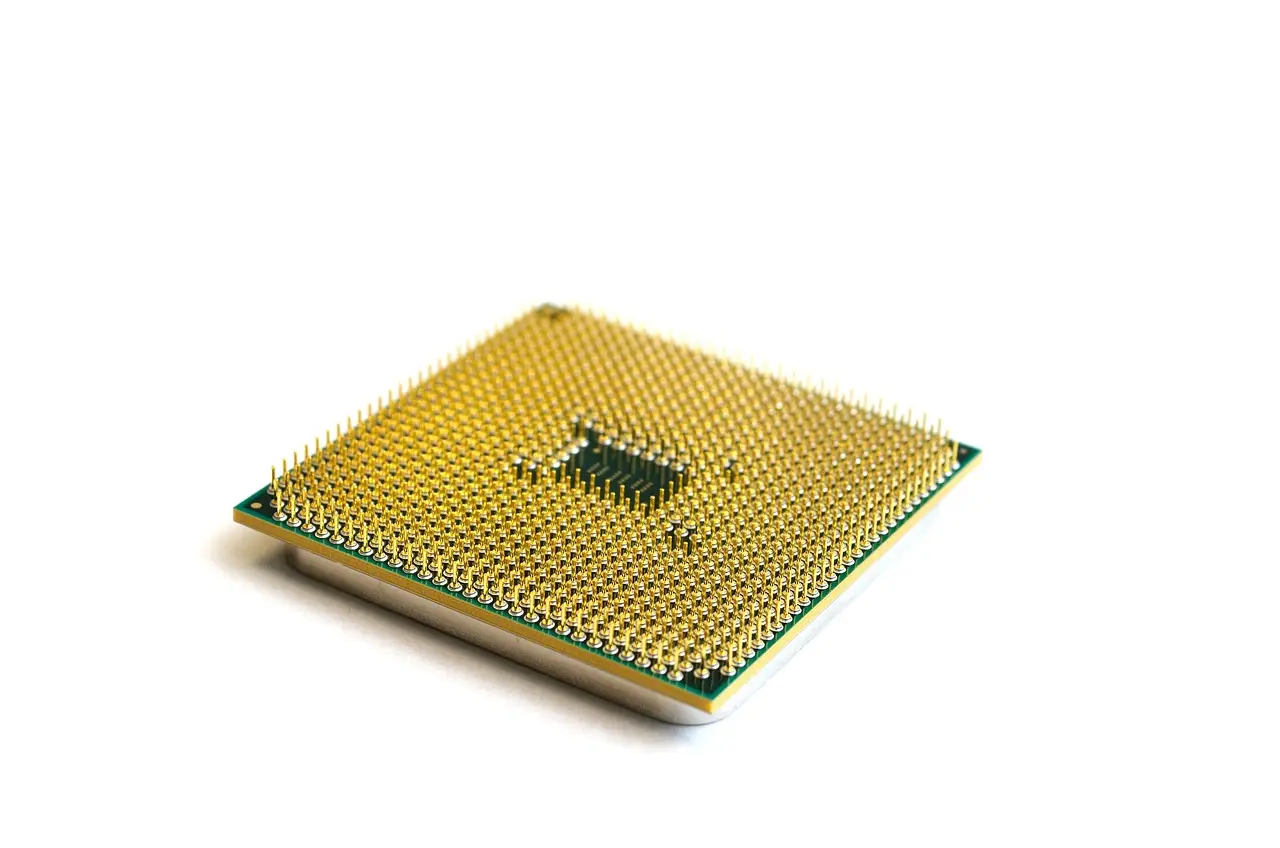
Intel has secured its first external customer for the 18A-P process node, a milestone CEO Lip-Bu Tan confirmed at the TomorrowX Summit in Austin. The client's name remains undisclosed; analysts speculate it could be Apple or Nvidia. The win arrives while Intel stock trades roughly 60 percent below its yearly high, and while the company carries out another round of global IT layoffs announced in November 2026.
Microsoft, meanwhile, became the first company to announce use of Intel's EMIB advanced packaging technology. Reports also link Intel's 18A process to Microsoft's custom Maia 3 AI accelerators, and Microsoft has committed to multi-year deployments of the upcoming Diamond Rapids Xeon server processors.
The commercial picture behind these wins is unusually dense with state and corporate money. Washington previously acquired a 10 percent stake in Intel to secure domestic chip production. Nvidia invested $5 billion to co-develop data center and PC chips. Microsoft now backs American fabrication through an expanded Azure infrastructure partnership. These alliances directly challenge TSMC's global dominance, because domestic fabrication shields American tech giants from Asian supply disruptions.
What do the cuts buy?
Intel's macro position is under strain despite soaring AI demand. Supply constraints currently prevent the company from meeting full customer demand for server processors. Heavy capital expenditures press on short-term margins and depress the share price.
Management's answer is cost discipline. The November 2026 IT layoffs follow 24,000 job eliminations announced during 2025. By September 2026, Intel's global workforce had fallen to roughly 81,100 employees. Leaner operations preserve cash flow for multi-billion-dollar fabrication plants — the same plants that must serve the new foundry customers.
How does the foundry model change Intel?
Historically, Intel built processors almost exclusively for its own product lines. The company now sells standalone packaging and wafer capacity to hyperscalers that demand custom silicon. Industry trends show exploding demand for heterogeneous chiplet integration in AI data centers, and Intel monetizes this shift through both wafer capacity and packaging services. The external 18A-P customer validates that dual-revenue strategy. Serving external tech giants, however, requires operational transparency and strict deadline accountability that the old Intel never practiced.
The executive team reflects that shift. Foundry chief Naga Chandrasekaran aligns silicon roadmaps directly with cloud partners. CTO Pushkar Ranade maintains strict risk-production schedules for next-generation process nodes. Tan himself has cut redundant overhead to fund engineering priorities.
What does the technology deliver in numbers?
The 18A node introduces RibbonFET gate-all-around transistors and PowerVia backside power delivery — the move from FinFET to RibbonFET is Intel's biggest transistor breakthrough in more than a decade. The enhanced 18A-P process further boosts performance and power efficiency for external clients.
Concrete results from the Microsoft collaboration are already measurable:
- Joint engineering delivered 2.3x greater memory flexibility on Azure M-series virtual machines.
- Intel QuickAssist Technology accelerates Azure SQL backups by 2.5 times.
- Compute Express Link (CXL) technology dramatically expands server memory capacity on Diamond Rapids systems.
EMIB packaging connects multiple specialized chiplets at high speed. Its 2.5D silicon bridges avoid the expensive, reticle-limited silicon interposers that rivals rely on, and Intel holds vast patent portfolios covering backside power delivery and this packaging approach.
Security adds another layer to the enterprise pitch. Intel's Trust Domain Extensions encrypt virtual machine memory and CPU register states during live cloud migrations, and Microsoft uses this confidential computing hardware to protect enterprise data on Azure. Domestic manufacturing also reduces supply chain tampering risks for defense and enterprise clients.
Can the milestones outrun the bottlenecks?
The road ahead is defined on both sides. Intel is preparing its 14A node with PowerDirect technology to rival TSMC, and foundational x86 patents still anchor enterprise computing. Against that, management must resolve server supply bottlenecks and scale production yields without missteps. If Intel delivers on its 18A and Diamond Rapids promises, Wall Street will re-rate the stock; the technology, patents, and political support for a reclaim of chip leadership are now in place, and execution is the remaining test.
tradingview.com (Source)
More from Tom Whitfield
Show full bio
Staff writer covering companies, deals and strategy in Semiconductors, chip manufacturing, hardware, AI compute at Chip Dispatch.
1,103 articles