Chips & Policy · 3 min read
Intel lawsuit says White House traded $8.9B CHIPS funds for 10% stake
Unsealed filings in a shareholder suit claim Intel's board accepted a 10% White House stake under threat to unlock $8.9 billion in CHIPS Act funds, with a Commerce lawyer warning 'this is not a negotiation.'
Key takeaways
- Intel gave the White House a 10% stake to release $8.9 billion in CHIPS Act funding, per a shareholder lawsuit.
- Commerce lawyer David Shapiro told Intel's CFO the deal was not a negotiation and that the president expected an announcement on a Friday.
- Trump called for Lip-Bu Tan's resignation in August 2025, labeling him 'highly conflicted' over China links.
- Intel's external counsel allegedly provided up to $100 million in free legal services to the Trump administration to avoid a federal work ban.
- Nvidia agreed to pay 15% on H20 China sales and 25% on H200 chips in December 2025.
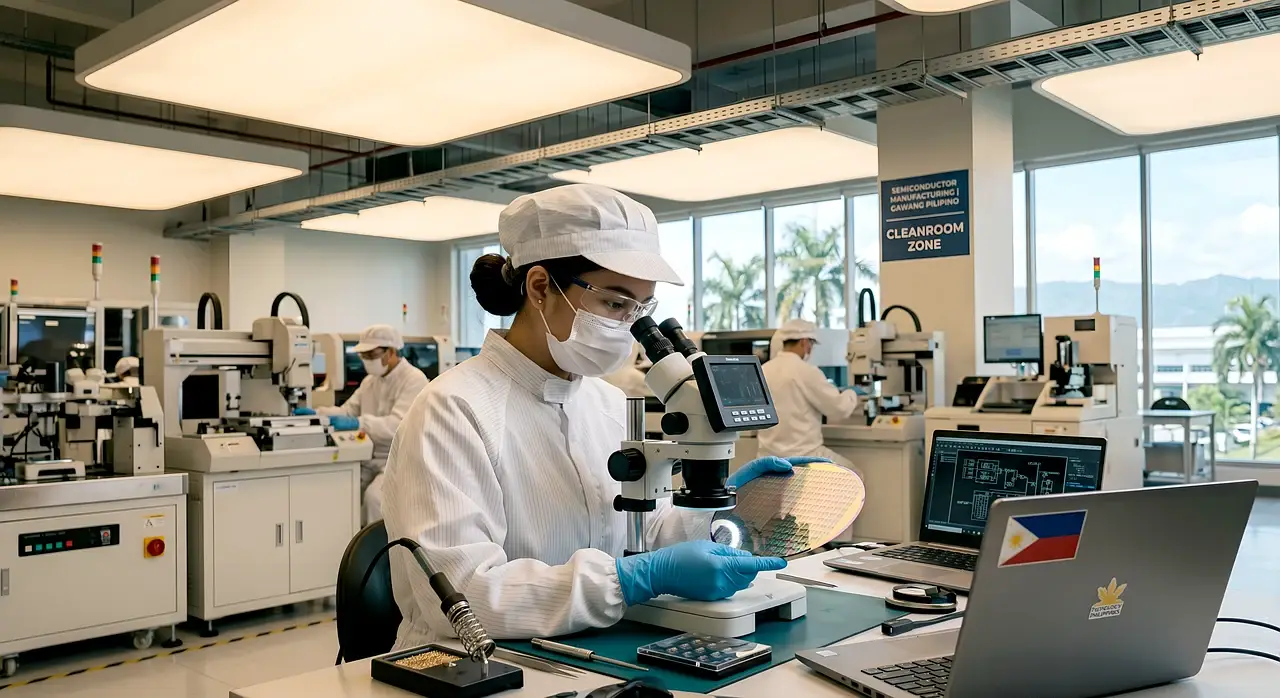
Intel surrendered a 10% stake to the U.S. government in exchange for the release of $8.9 billion in CHIPS and Science Act funding — and unsealed court documents now describe how that deal was extracted. The documents, viewed by Wired, come from a shareholder lawsuit filed earlier this year by Intel investor Richard Paisner, who argues the transaction was unlawful.
The filings allege that President Donald Trump used his position to strong-arm Intel's board into accepting the arrangement. They also connect the deal to a wider pattern of White House intervention in private chip companies, including the president's call to Nvidia's board this week demanding the reinstatement of Jensen Huang as CEO.
What do the unsealed documents show?
Intel's troubles stretch back to July 2024, when its financial difficulties began. Lip-Bu Tan, who took over as chief executive, faced scrutiny over his links to Chinese technology companies. Trump himself called for Tan's resignation in August 2025, describing the Intel chief as "highly conflicted."
Tan then went to the White House and met personally with Trump, Commerce Secretary Howard Lutnick, and Treasury Secretary Scott Bessent. According to the filings, it was during that conversation that Trump said he had devised the 10% Intel deal. The president later quoted himself to the Wall Street Journal: "You know what? I think the United States should be given 10% of Intel." Tan's reply, as reported, was "I would consider that."
Internal notes describe how much pressure Intel's leadership faced. During a call between the company and Commerce Department lawyer David Shapiro, the official told Intel's chief financial officer not to make the "mistake of thinking that this is a negotiation," adding that "the president is expecting to announce a deal on Friday."
Shapiro acknowledged that the board could refuse. The price of refusal, however, was left deliberately vague. Notes record his warning that rejection "will have consequences that [Shapiro] cannot predict."
The takeaway is plain: the board was told the deal was not optional, and that refusal carried unspecified risk.
Why does the complaint call it extortion?
Paisner and his attorney wrote in the complaint that the board approved the deal under direct threat. "In extraordinary and expedited fashion, the Board, operating under the shadow of the President's threat, and advised by legal counsel that itself was conflicted due to its pro bono promises to the president, caved to the government's extortion," the complaint states.
The conflict claim has a specific basis. Other sources cited in the reporting say Intel's external legal counsel provided up to $100 million in free legal services to the Trump administration. The alleged motive was to avoid an executive order barring the firm from federal work.
That threat was not theoretical. The White House took similar action against Anthropic after the AI company refused to allow the Pentagon to use Claude for mass domestic surveillance or to control weapons systems. In short, Intel's own lawyers had a financial reason to steer the board toward acceptance.
Is this part of a wider pattern?
The Intel filing does not stand alone. This week the president called the Nvidia board to pressure it into reinstating Huang as CEO, and Nvidia has already struck its own bargains with the administration.
The AI chipmaker agreed to pay 15% on its H20 sales in China so exports could resume, followed by an even larger 25% share on H200 chips in December 2025. Each case shows the same mechanism: market access, funding, or leadership decisions traded for terms set by the White House.
The lawsuit is still before the court, and Intel has not conceded the shareholders' account. What it has already produced, though, is a documented record of how federal leverage over chip funding converts into equity and policy terms — and shareholders will now press that record through discovery toward a ruling on whether the 10% deal can stand.
Tom's Hardware (Source)
More from Tom Whitfield
Show full bio
Staff writer covering companies, deals and strategy in Semiconductors, chip manufacturing, hardware, AI compute at Chip Dispatch.
1,289 articles