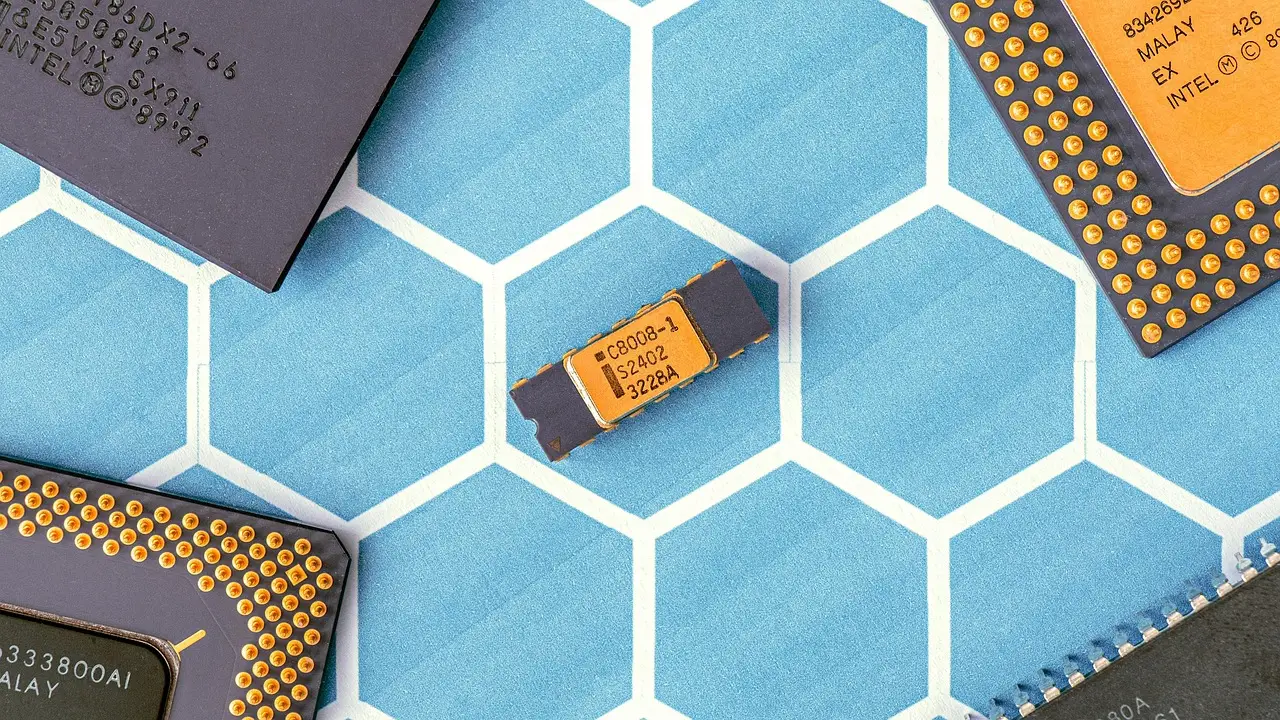
Intel Releases 14A PDK 0.9, Targets Production Node for 2028
Intel Foundry has shipped a silicon-validated PDK 0.9 for its 14A node, with PDK 1.0 due in Q1 2027 and mass production planned for 2028.
- By
- Tom Whitfield
- Filed
- Channel
- Chip Manufacturing
- Read
- 4 min read
Intel Foundry has released version 0.9 of its process design kit for Intel 14A, a node the company does not expect to enter mass production until 2028. The kit, made available last week, is based on actual silicon measurements rather than simulations. Intel plans to release PDK 1.0, the milestone that validates readiness for high-volume manufacturing, in the first quarter of 2027.
A process design kit contains transistor models and design rules that let chip developers build products for a given manufacturing process using EDA tools. The quality of the kit determines how accurately designers can model chip performance before tapeout. PDK 0.9 matters because it gives customers a view of 14A grounded in real silicon.
Intel says the node is reaching the performance and yield maturity expected at this stage of development. Customers can now start designs intended to enter risk production around the time the process is certified, which in many cases reduces the number of silicon revisions between initial tapeout and mass production. That is the practical value of the release for prospective foundry customers.
What did Intel actually say?
"From a customer perspective, the PDK 0.9 gives customers the confidence to design products on Intel 14A, as the technology is reaching the industry-standard performance and yield maturity expected at this stage of development, supported by silicon-backed validation," said Ben Sell, corporate vice president and general manager of front-end technology development at Intel Foundry.
The release does not mean 14A is close to volume output. Intel expects to validate HVM readiness only with PDK 1.0 in Q1 2027, and even then, mass production is planned for 2028. Risk production for Intel's own products is scheduled for the second half of 2027. The schedule, not the kit itself, is the number external customers will watch.
How does 14A improve on 18A?
The node builds on the architecture introduced with Intel 18A and adds several changes:
- 2nd Generation RibbonFET 2 gate-all-around transistors
- PowerDirect backside power delivery, which feeds power directly to transistor source and drain regions without intermediate connections such as the TSVs used by PowerVia
- Turbo Cells, high-performance standard cells built to speed timing-critical paths in CPUs and GPUs
Intel did not provide new figures for transistor performance, power consumption, or density in this announcement. The company is also applying twelve months of Intel 18A production experience to 14A, with increased investment in inline defect detection, modeling, and simulation to catch manufacturing problems earlier. These efforts target yields, process variability, performance, and cycle times, though Intel has not quantified their impact.
Why does the supplier model matter?
Intel has changed how it works with equipment and materials suppliers. Technology development teams now engage external suppliers earlier in the development cycle, and Intel holds regular yield summit meetings with them. The goal is to fix defects and equipment limitations before they block yield improvements in mass production.
"This has required evolving our collaboration model with equipment and material suppliers, and earlier engagement from our [technology development] leaders with suppliers to drive improvements in defects and equipment capabilities," Sell said.
One side effect could matter competitively. Suppliers may fold Intel's requirements into their standard products and roadmaps, which would force rivals to adapt their processes to Intel-optimized equipment or develop alternatives from scratch. Intel historically set the direction for manufacturing technology, with immersion DUV lithography a notable exception, as TSMC led that transition. Early supplier engagement could restore some of that influence, though the source itself cautions against overstating it.
Who is building on 14A?
Intel is widening the design ecosystem. Cadence and Intel have a design-technology co-optimization collaboration for next-generation AI-driven design tools and IP, while Keysight, Siemens, and Synopsys have announced tool certifications for the process. Intel is also working with other software developers and IP providers to validate design flows and reusable building blocks.
No customer has publicly committed to 14A, and Intel has disclosed no tapeouts or manufacturing agreements, which is normal for the foundry industry. External customers matter more than usual here: leading-edge development costs are only recouped when a process makes hundreds of millions of chips, far more than Intel itself currently sells.
What comes next?
Ali Farhang, corporate vice president and general manager of Intel Foundry's design technology platform organization, set the marker: "Our next major milestone is the Intel 14A PDK 1.0, expected in the first quarter of 2027. I am looking forward to sustaining this level of quality across future releases and continuing to earn our customers' trust by delivering on our commitments with a customer-first mindset."
Intel plans continued work on performance, yields, variability, and cycle times, without disclosing specific goals, and has 14A-E and 14A-P enhancement nodes planned after the base process, on schedules it has not revealed. For now, the 2027 PDK 1.0 date and the 2028 mass production target define the commercial test: whether Intel Foundry can hold a predictable schedule while persuading external customers to commit silicon to an unproven node.
Source: Tom's Hardware
More from Tom Whitfield
Show full bio
Staff writer covering companies, deals and strategy in Semiconductors, chip manufacturing, hardware, AI compute at Chip Dispatch.
764 articles
Related articles
intel-s-14a-process-targets-tsmc-parity-foundry-margin-path-unclear-203bd58c
Intel's 14A Process Targets TSMC Parity; Foundry Margin Path Unclear
intel-lands-major-foundry-customer-as-18a-output-beats-targets-d05b152c
Intel Lands Major Foundry Customer as 18A Output Beats Targets
intel-puts-14a-within-5-of-tsmc-s-a14-on-key-metrics-25f51d01
Intel Puts 14A Within 5% of TSMC's A14 on Key Metrics
tsmc-signals-fallback-role-if-intel-packaging-ramp-stumbles-56685470
TSMC Signals Fallback Role If Intel Packaging Ramp Stumbles