Chip ManufacturingLOT 261122 · 5 min read
Intel's 18A rally fades as chip sell-off drags stock to $53
Intel traded at $53.10 premarket on 20 November 2026, down 4.70 percent and below Wednesday's close, erasing Thursday's gain from the unnamed first 18A-P customer.
Key takeaways
- Intel traded at $53.10 premarket on 20 November 2026, down 4.70 percent from Thursday's $55.72 close (StockAnalysis, 4:47 a.m. Eastern)
- Thursday 19 November high of $59.44 came after Tan said Intel had "just signed the first customer" for 18A; the stock closed at $55.72 on about 133.9 million shares
- The customer remains unnamed; technology chief Pushkar Ranade said the order covers 18A-P, a variant of the 18A process (CNBC, 18 November)
- Nasdaq Composite fell 2.3 percent on Thursday to its lowest close since 14 April; Nasdaq-100 futures were down 1.1 percent on Friday (AP, Bloomberg)
- Support at $52.42 and $51.51; resistance at $57.50 and $59.44; analyst consensus is Hold with a $90.65 average 12-month target
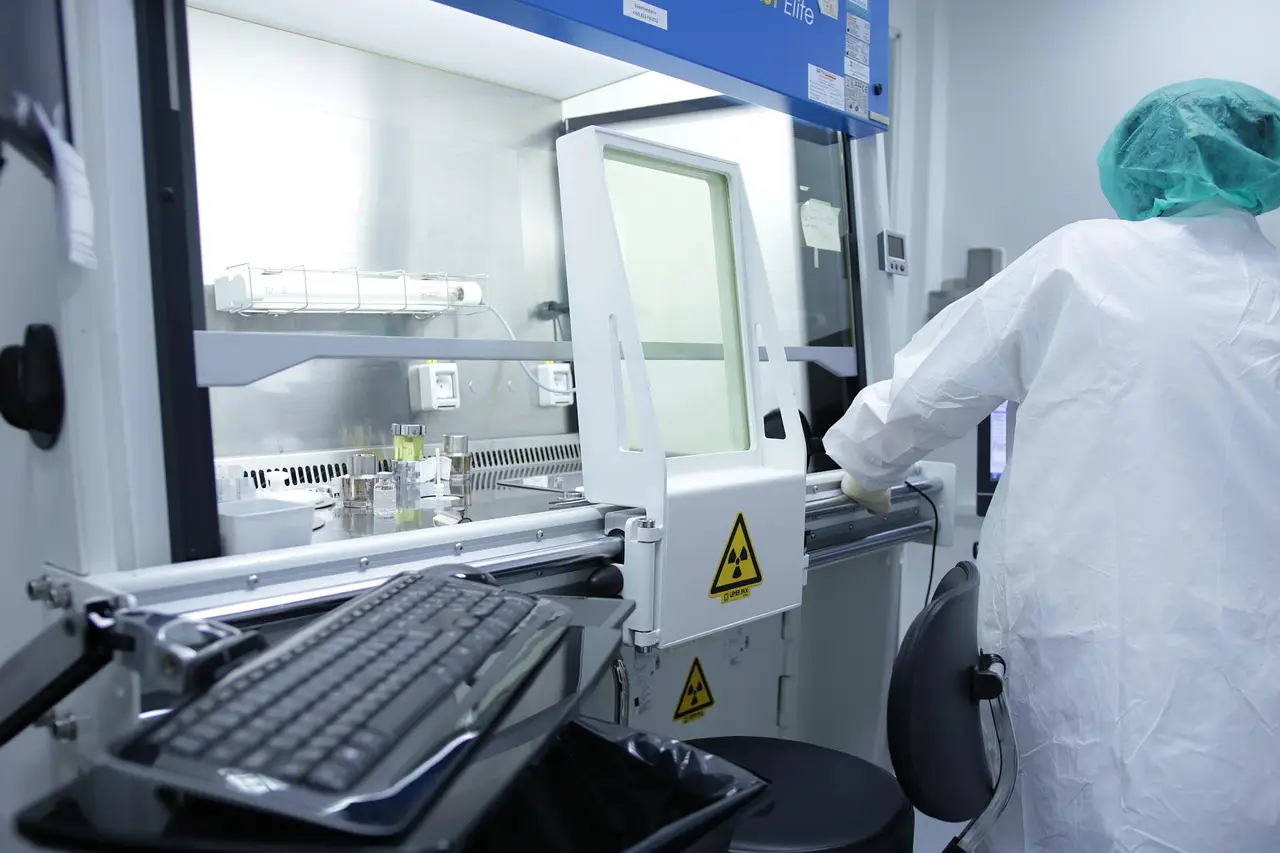
Intel traded at $53.10 in premarket deals on Friday 20 November 2026, down $2.62, or 4.70 percent, at 4:47 a.m. Eastern, according to StockAnalysis. Yahoo Finance showed $53.00, down 4.85 percent. Both quotes sit below Wednesday's $54.67 close. One session has erased the market's response to Intel's first outside 18A customer.
Thursday tells the story. The stock opened at $57.50 and closed at $55.72, up 1.92 percent, on about 133.9 million shares (StockAnalysis). It reached $59.44, roughly 8.7 percent above Wednesday's close, after chief executive Lip-Bu Tan told the TomorrowX Summit in Austin that Intel had "just signed the first customer" for 18A, CNBC reported.
Thursday's volume was the heaviest since the 9 November session. Holders used the rally to sell, though the tape alone cannot prove who ended up on the other side of those trades.
Did the first 18A customer change the trade?
No Intel-specific disclosure explains the Friday slide. The move tracks the sector. Nasdaq-100 futures were down 1.1 percent and S&P 500 futures down 0.4 percent at 5:28 a.m. in New York, according to Bloomberg, and no Intel news surfaced by Friday morning that would explain a 4.7 percent premarket decline on its own.
Who signed for 18A, and what is 18A-P?
Intel has not named the customer. Technology chief Pushkar Ranade said the order covers 18A-P, a variant of the 18A process, according to CNBC on 18 November. Tan announced the first outside 18A customer the same day, also per CNBC. Analysts have floated Nvidia, Apple or a large cloud company. None of that is confirmed.
Order size, start date and revenue contribution remain undisclosed. Intel published no wafer volume, capacity or pricing detail for 18A-P in the announcement, so no outside observer can size the commercial effect.
Why is the chip sector selling off?
The Nasdaq Composite fell 2.3 percent on Thursday to its lowest close since 14 April, and the S&P 500 posted a sixth straight loss, according to the Associated Press. The Dow lost about 1,101 points and closed below 50,000 for the first time since June, while the Nasdaq dropped 550.69 points.
Anthropic's debut on Thursday did not help the trade. ANT opened at $111.50 and closed at $97.17, still 17 percent above its $83 IPO price, but the rest of the AI complex fell. Bloomberg reported on Friday that the AI sell-off had spread to Asia and Europe. AMD dropped 7.72 percent on Thursday after short seller Hunterbrook published a report tying AMD's firmware to a blacklisted Chinese server maker, according to 24/7 Wall St.
Rates add pressure. Markets price a 99.3 percent chance of a Federal Reserve rate increase in December, CME FedWatch data showed via CNBC. Intel trades at about 40 times forward earnings (StockAnalysis). That multiple assumes a turnaround not yet visible in reported numbers.
What else moved at Intel this week?
- 16 November: the stock fell 7.02 percent after a land auction closed off one route for expansion in Ohio (TipRanks).
- 17 November: Intel cut more jobs, extending a series of reductions this year under Tan (Business Insider).
- This week: Intel and Microsoft announced an expanded long-term collaboration on Azure infrastructure (PR Newswire). As reported, the announcement carries no 18A node or wafer detail.
- 18 November: Tan announced the first outside 18A customer (CNBC).
- Background: shareholders have sued over Intel's third-quarter disclosures, with a lead-plaintiff deadline of 12 January 2027.
Where are the reference levels?
Resistance sits at $57.50, Thursday's opening price and the level where the 18A rally began to fail, with Thursday's $59.44 high above it. Support rests at $52.42, Tuesday's session low, and $51.51, the intraday low of 5 November — the weakest point since the 30 October results, when Intel guided fourth-quarter revenue below analyst estimates and the stock fell 28.58 percent in a day (StockAnalysis price history).
What do the scenarios look like?
- Bear, $51.50: the sell-off extends into the open and Tuesday's $52.42 low gives way. Anchor: the 5 November intraday low, about 3.0 percent below $53.10.
- Base, $52.40 to $55.70: Intel tracks the sector, holding Tuesday's low without recovering Thursday's close.
- Bull, $57.50: the market stabilises and Intel names the 18A customer or the order size, giving the rally a second leg. About 8.3 percent above $53.10.
These are reference levels measured from Friday's premarket price, not forecasts. The bull case requires disclosure. The bear case requires no news at all, only continued sector weakness.
What does the analyst consensus actually say?
StockAnalysis lists a Hold consensus and an average 12-month target of $90.65. The 52-week range runs from $32.89 to $142.35, which shows how wide the disagreement has been. A 12-month average says little about the next session, and the current multiple prices a recovery rather than an order book.
What would change the picture?
Intel's known forward markers are limited: the 12 January 2027 lead-plaintiff deadline in the shareholder litigation, and any disclosure of the 18A customer, its order size or 18A-P volume. Without those numbers, the stock keeps trading as a proxy for the AI complex, and any move above $57.50 depends on a sector rebound rather than on company news.
financefeeds.com (Source)
More from Sophie Lindqvist
Show full bio
News editor covering money, funding and market shifts around Semiconductors, chip manufacturing, hardware, AI compute at Chip Dispatch.
1,238 articles