Tech BusinessLOT 261122 · 3 min read
Intel Shares Halved to $55: Analyst Says Fair Value Reached
Intel has fallen from $114 to fair value at $55, an analyst argues, with a 50% foundry expansion underpinning $80B revenue and $10B net profit. Upside waits on 18A yields and demand.
Key takeaways
- Intel shares traded near $114 in early October with capitalization above $600 billion
- Analyst rates Intel a Hold at $55, citing fair value and no convincing catalyst
- Roughly 50% foundry capacity expansion supports an $80B revenue and $10B net profit model
- Intel holds a $54 billion liquidity reserve to complete its fab buildout
- Risks include AMD and ARM competition, fab delays, and 18A process node yields
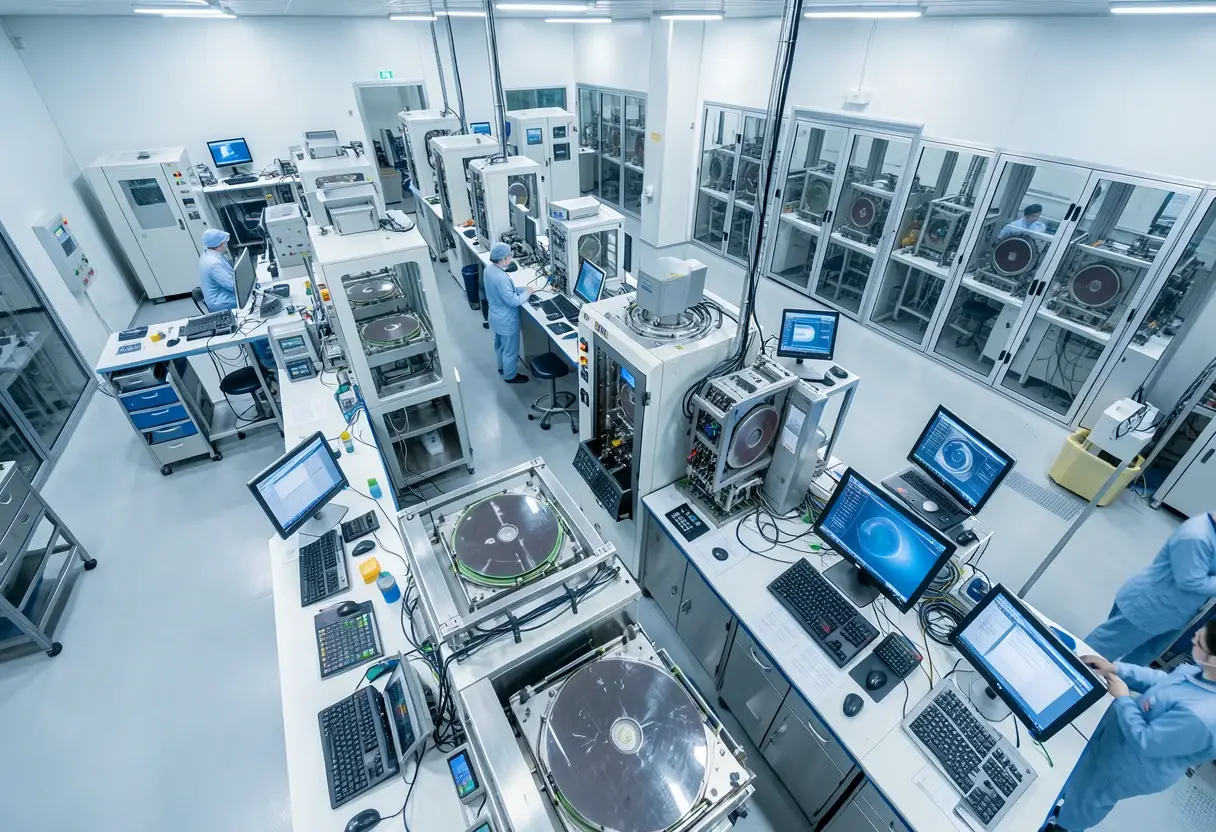
Intel stock has fallen from roughly $114 in early October to a level where one analyst now argues the shares trade at fair value, closing a chapter in which the company's market capitalization exceeded $600 billion.
The author, writing on Seeking Alpha, assigns Intel a Hold rating with a $55 price target. Shares traded near $114 at the start of October, when the analyst judged the price detached from production fundamentals. That gap has now closed. The market, not the analyst, did most of the work.
What supports the numbers?
The bull case rests on capacity, not sentiment. A foundry capacity expansion of roughly 50 percent underpins a model of $80 billion in revenue and $10 billion in net profit. At those levels, the analyst calculates a multiple of about 29 times forward earnings. That is the price of the stock today, in effect, already reflecting the recovery.
Two financial facts strengthen the near-term picture. Intel holds a $54 billion liquidity reserve, which the analyst says is sufficient to complete its fab construction program. The company has also returned to quarterly profitability, easing what the author calls immediate financial concerns. Caveat: profitability and liquidity are not the same as growth, and neither guarantees the revenue model arrives on schedule.
Where does the upside come from?
According to the analysis, Intel's upside now depends on two demand engines: server inference demand and a PC recovery. Both sit outside Intel's control. Server inference spending follows hyperscaler budgets, not Intel's product calendar. PC unit volumes follow corporate refresh cycles and consumer wallets.
The analyst does not model a quick rally. The stated reason is the absence of a convincing catalyst. Fair value has been reached; the next leg up requires proof that demand materializes.
What are the risks?
The article names four, and each carries weight:
- Competition from AMD and ARM on the server and client sides
- Potential fab construction delays
- Yield maturity on the 18A process node
- The dependency of the whole $80 billion revenue case on demand Intel does not control
The 18A yield question deserves emphasis. The entire capacity expansion thesis assumes the leading-edge node ramps to usable yields. The analyst flags it as a risk but offers no yield data. That omission matters. Capacity without yields produces wafers, not revenue.
Fab delays carry a similar structure. The $54 billion liquidity reserve supports completion of the buildout, but the analyst provides no timeline commitment. Money in the bank does not shorten construction schedules.
What is the verdict?
The position is explicitly neutral. The analyst discloses no stock, option, or derivative positions in Intel and no plans to initiate any within 72 hours. The article expresses the author's own opinion, without compensation beyond Seeking Alpha's standard payment.
The framing marks a shift in the Intel debate. In early October, the argument was about excess: a $600 billion capitalization against what the analyst saw as production reality. Today, the argument is about等待 — whether server inference and a PC recovery arrive fast enough to justify a move above $55. The analyst's answer, for now, is that the evidence does not exist yet.
Until Intel demonstrates 18A yields at scale, converts its 50 percent capacity expansion into shipped product, and defends share against AMD and ARM, the stock sits where the analyst says it belongs: at fair value, waiting for a catalyst.
seekingalpha.com (Source)
More from Sophie Lindqvist
Show full bio
News editor covering money, funding and market shifts around Semiconductors, chip manufacturing, hardware, AI compute at Chip Dispatch.
1,238 articles