Japan and US Weigh $19 Billion Chip Plant in Tariff Investment Pact
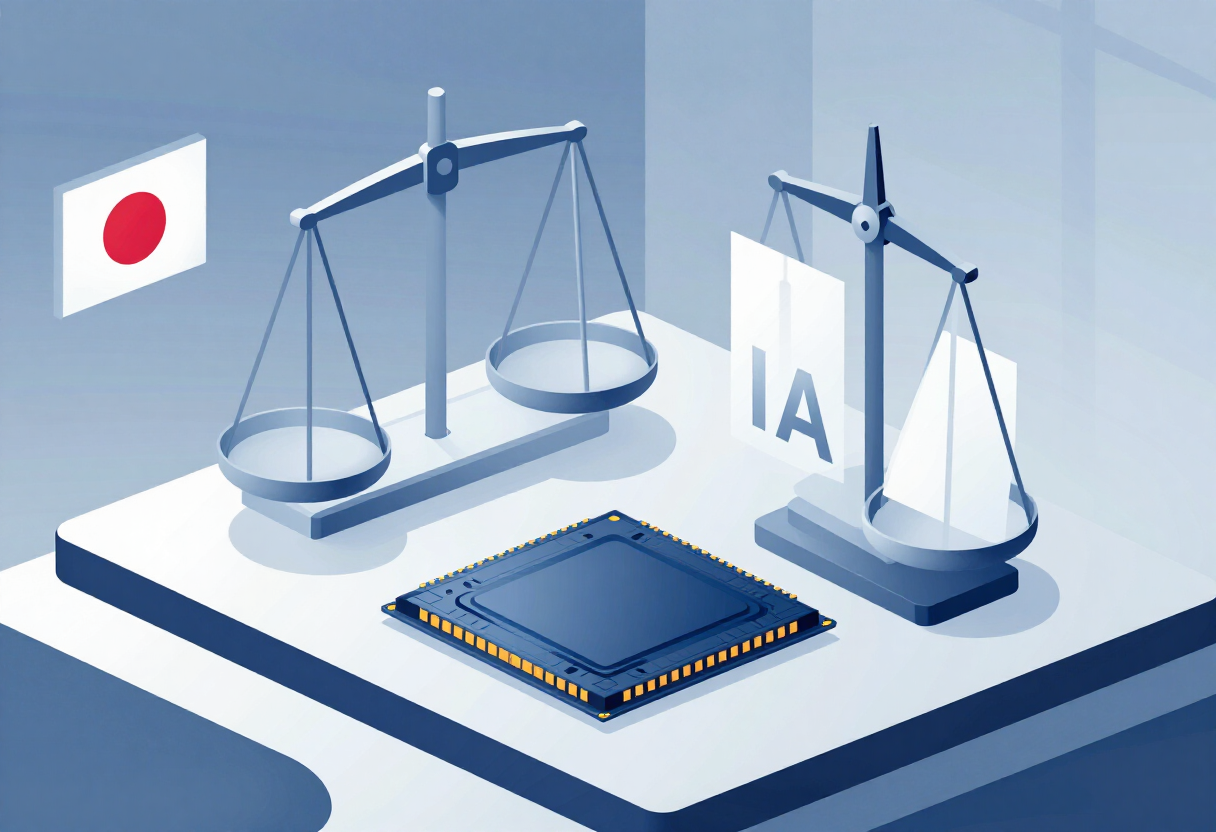
Japan and the US are reportedly negotiating a $19 billion chip plant as part of a tariff-linked investment pact, folding fab capacity into bilateral trade policy talks.
- By
- Sophie Lindqvist
- Filed
- Channel
- Chips & Policy
- Read
- 2 min read
Japan and the United States are discussing a $19 billion chip plant as part of a tariff-linked investment pact, according to a report carried by Yahoo Finance.
The reported figure anchors what would be one of the larger single-fab commitments tied to the current round of US-Japan trade negotiations. Rather than standing alone as an industrial project, the plant would function as a component of a wider investment agreement between the two governments, with the $19 billion figure emerging from those talks, according to the report.
The structure matters. Linking fab construction to a tariff investment pact would fold semiconductor capacity planning into trade policy — a departure from purely commercial siting decisions. For Japan, a domestic commitment of this scale would channel capital into advanced chip manufacturing at a moment when Tokyo is already pushing to shore up its semiconductor base. For Washington, it would add to a growing roster of tariff-linked investment pledges secured from trading partners.
The report did not specify which company would build or operate the plant, the process node targeted, the wafer size, or a timeline for construction and volume production. Nor did it identify a prospective site. The $19 billion figure should therefore be read as a negotiating-level number rather than a confirmed capital expenditure commitment from a named chipmaker or foundry.
The talks come amid a broader realignment of semiconductor supply chains. Japan has moved to strengthen its position across the materials and equipment segments of the chip supply chain, and earlier state-backed investments have targeted domestic logic and memory capacity. The US, for its part, has used tariff leverage to extract investment commitments from allies and rivals alike, making manufacturing pledges a fixture of trade deals rather than a side effect of them.
A deal of this size would rank among the significant fabs announced in Japan in recent years, though without a named operator, node, or location, comparisons to specific projects remain speculative. What is clear from the report is the mechanism: the plant is being weighed as consideration within a tariff investment pact, meaning its fate is tied to the outcome of bilateral trade negotiations rather than to a standalone board-level investment decision.
If the talks conclude with a firm commitment, expect subsequent disclosure of the operating company, capacity targets, and process technology — the details that would determine whether the $19 billion buys leading-edge logic capacity or something less advanced. Until then, the figure stands as the strongest concrete signal yet of how directly semiconductor manufacturing has become currency in US-Japan trade negotiations, and any confirmed pact would likely set a template for how future tariff-linked fab deals are structured.
Source: Google News: chip factory investment
More from Sophie Lindqvist
Related articles
japan-and-us-in-talks-over-chip-fab-under-550-billion-investment-plan-a855977a
Japan and US in Talks Over Chip Fab Under $550 Billion Investment Plan
tower-semiconductor-commits-3-billion-to-japan-with-state-backing-3d4e1d02
Tower Semiconductor Commits $3 Billion to Japan With State Backing
india-clears-17-2-billion-in-semiconductor-projects-48b1948e
India Clears $17.2 Billion in Semiconductor Projects
apple-s-u-s-chip-strategy-builds-on-20b-tsmc-commitment-51140594
Apple's U.S. Chip Strategy Builds on $20B TSMC Commitment